


Women's Down Jackets
Wrap Yourself in Premium Warmth with KÜHL Women's Down Jackets
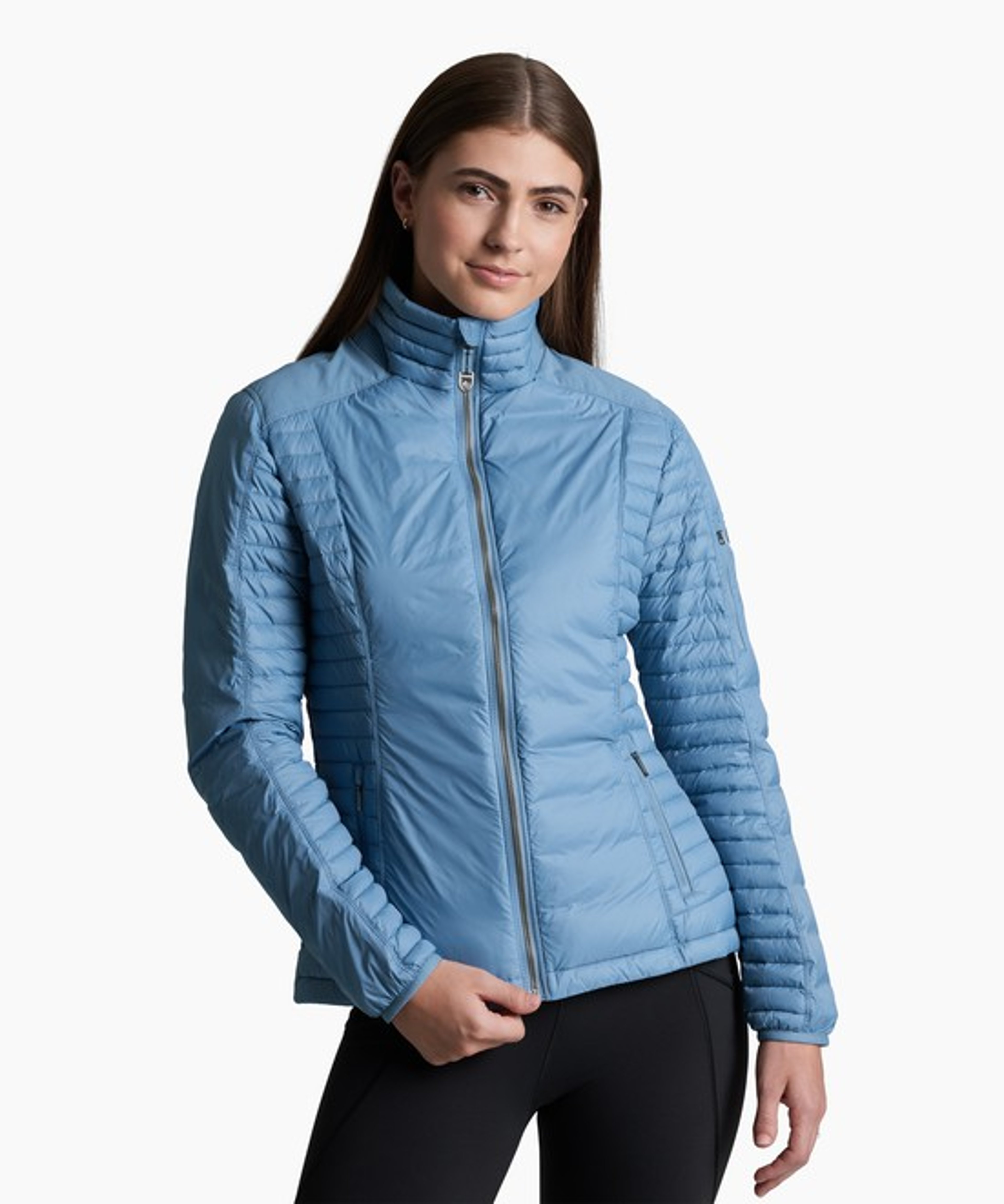
When the temperature drops and the day stretches from trailhead to evening in town, the right down piece is the layer you reach for first. KÜHL women's down jackets deliver high warmth-to-weight without bulk, with body-mapped insulation that puts loft where you actually lose heat.
Choose from a variety of fills, baffle constructions, and fits for the women's down jackets that are right for you:
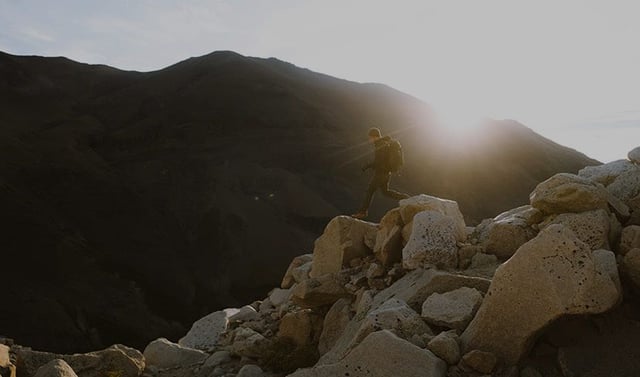
Active Down for High-Output Days. Built for skinning, ridge hiking, and cold-weather running, our active-down silhouettes pair 800-fill RDS-certified goose down at the core with stretch-woven panels and venting underarm gussets that release heat as you move. The result is a single piece that doesn't force you to stop, unzip, and re-layer every time the grade changes.
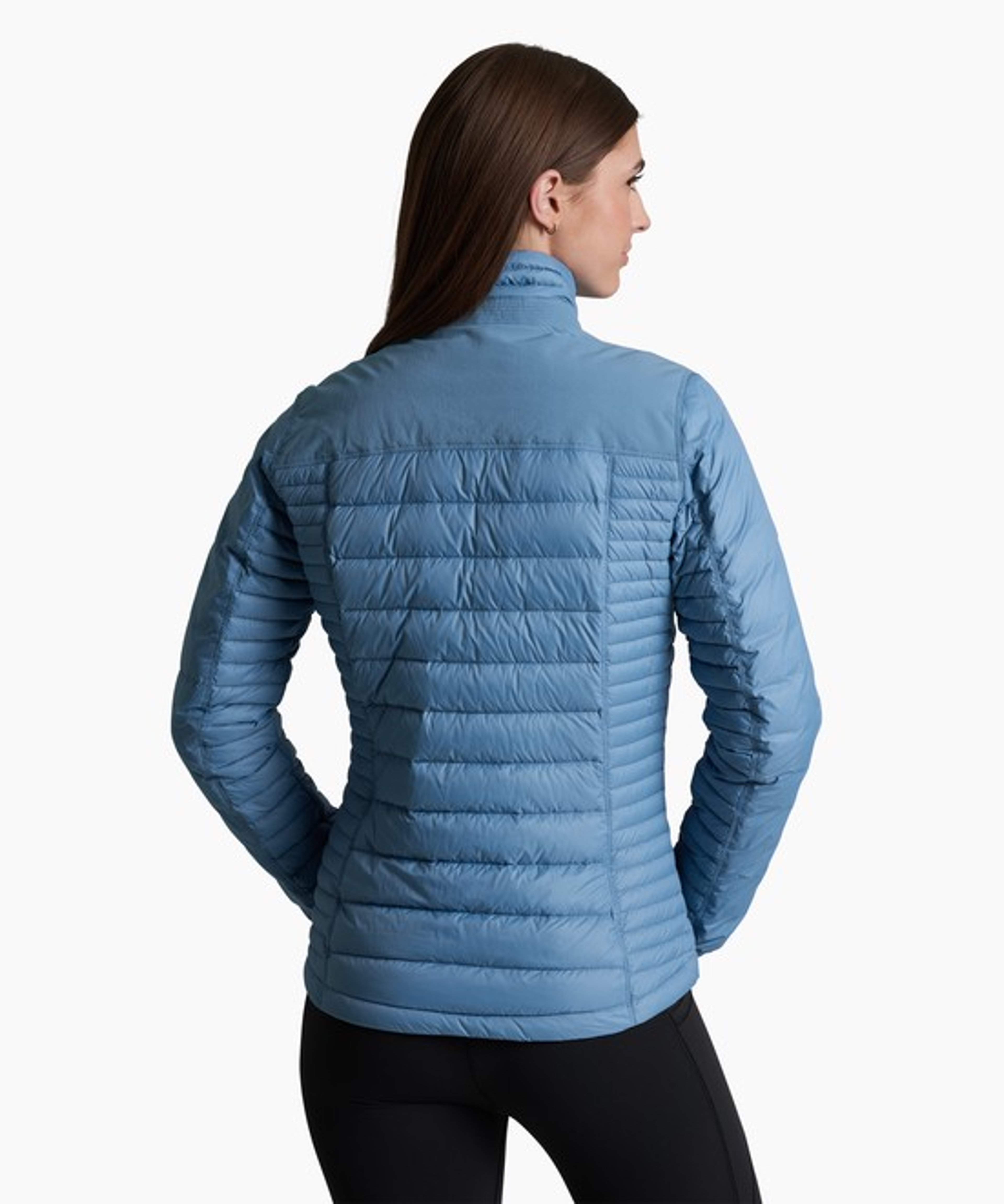
Premium Insulation, Quiet Construction. Stitch-free baffle construction reduces cold spots and keeps the down where you placed it, while a DWR finish on the shell sheds light snow and sleet. Articulated arms move with you when you're reaching for poles, ice tools, or the top zipper of a pack.
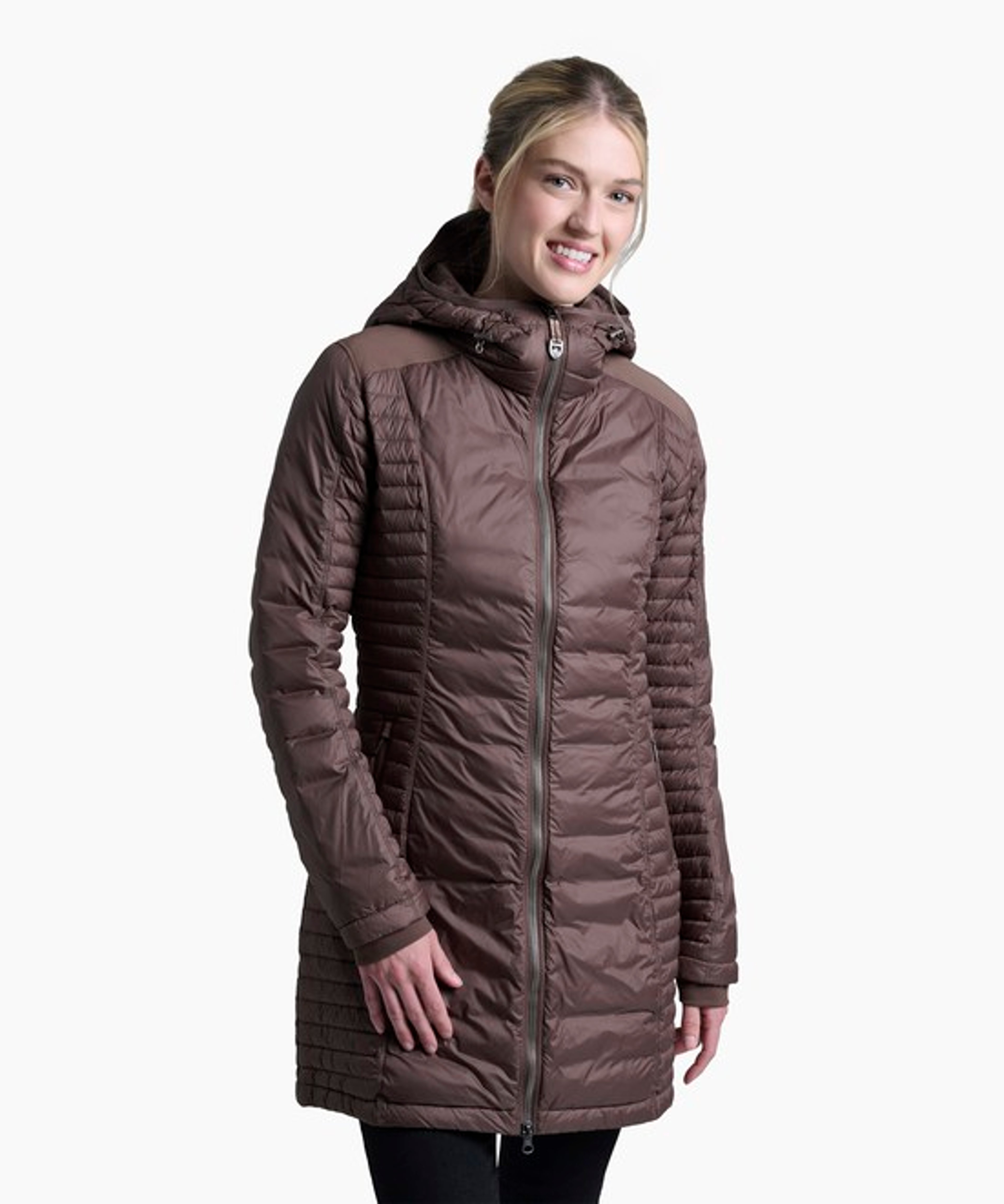
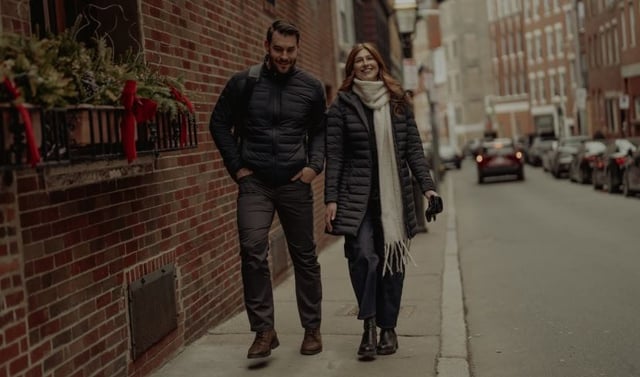
Around-Town Puffers and Sweater-Knit Hybrids. For travel and everyday wear, our sweater-knit puffers blend RDS-certified down with synthetic fill to balance warmth and weather resistance. They layer easily under a heavier shell when storms move in, and stand alone as a daytime piece when they don't. Pair them with a softshell jacket for cold, dry days and a rain jacket for wet ones.
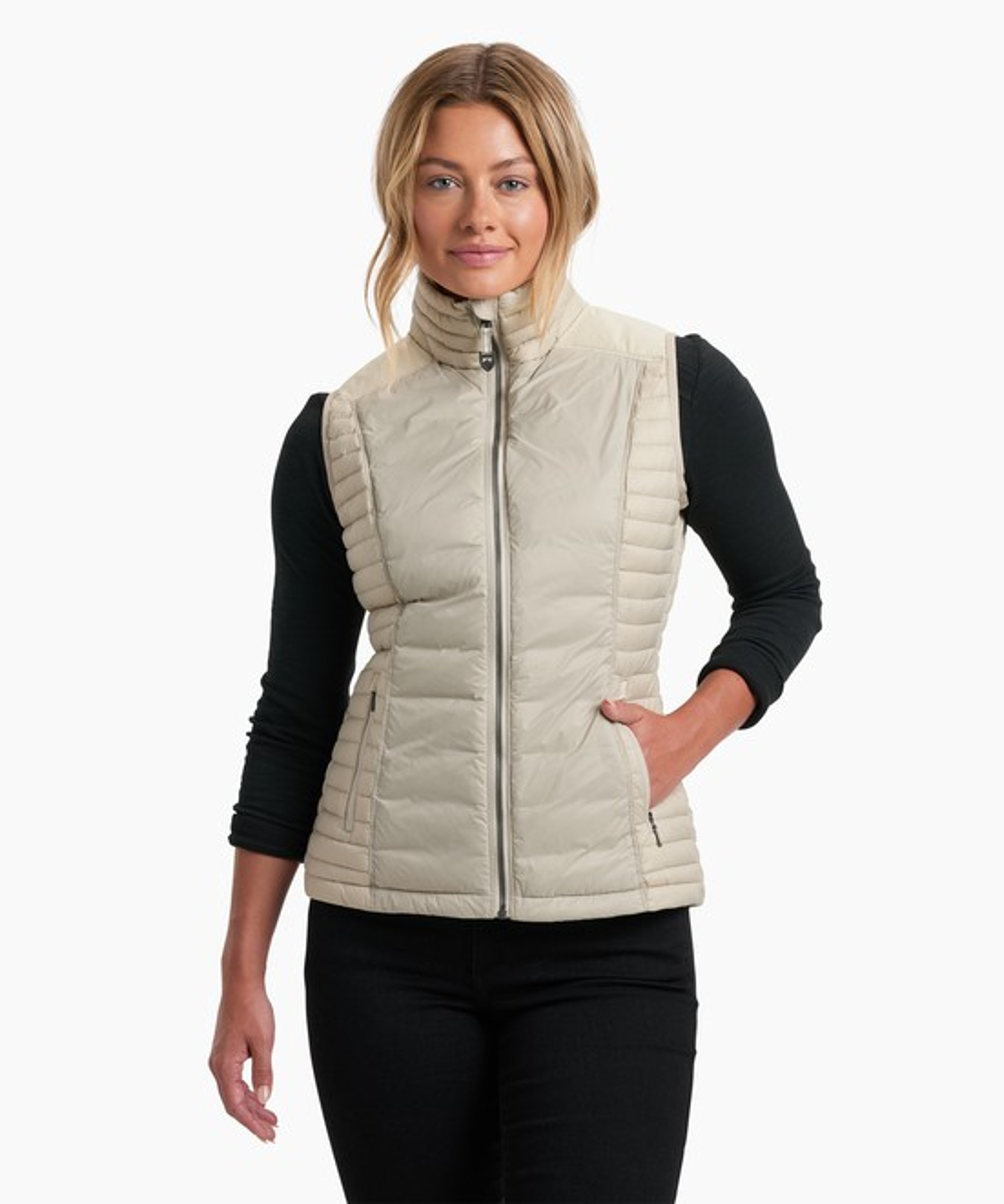
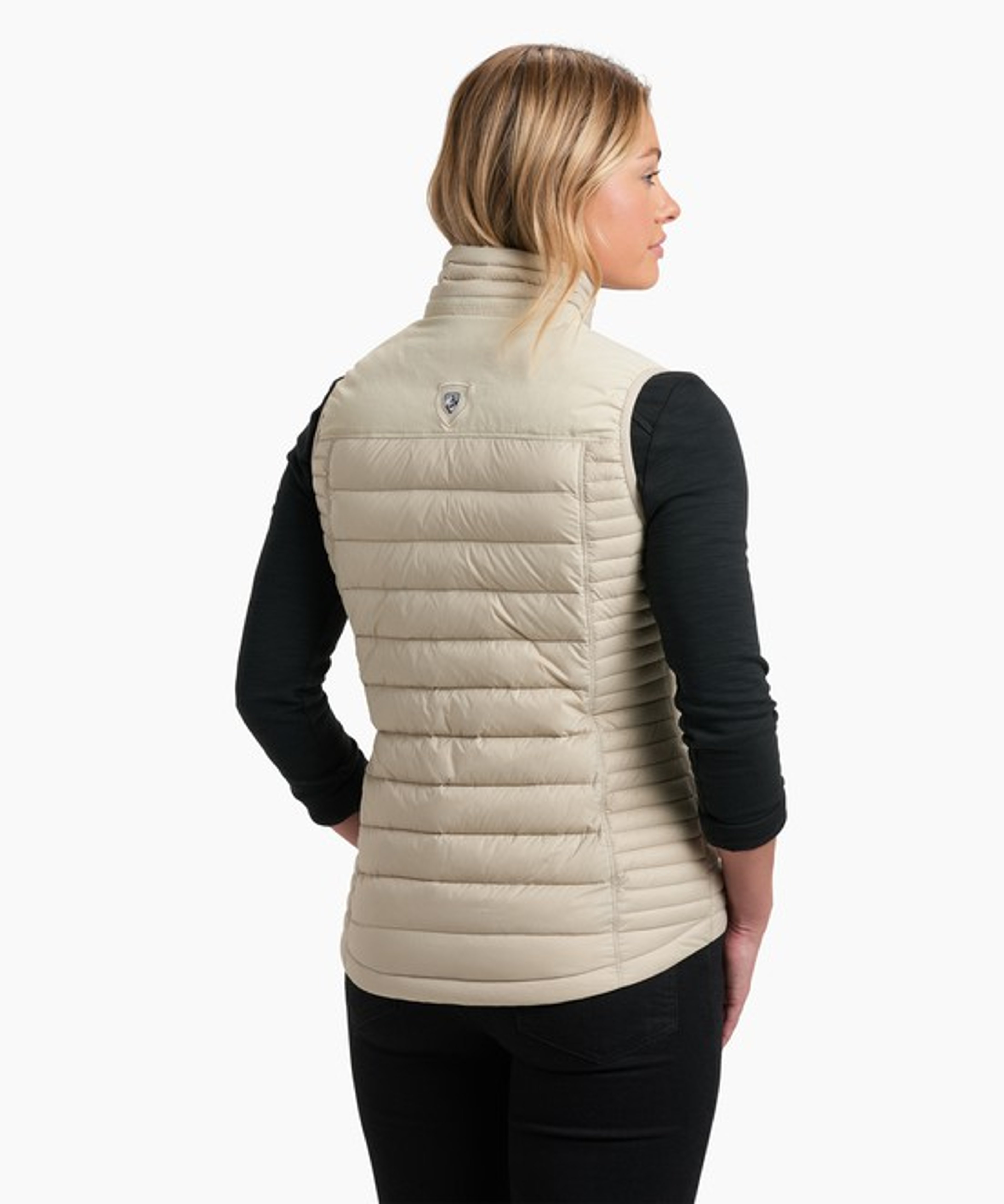
Vests for Core Warmth, Full Mobility. When you only need to defend the core, a down vest does the work of a jacket without the sleeve bulk. Our women's vests carry the same RDS-certified fill and body-mapped baffles as the full jackets, so the weight you save isn't paid for in warmth.
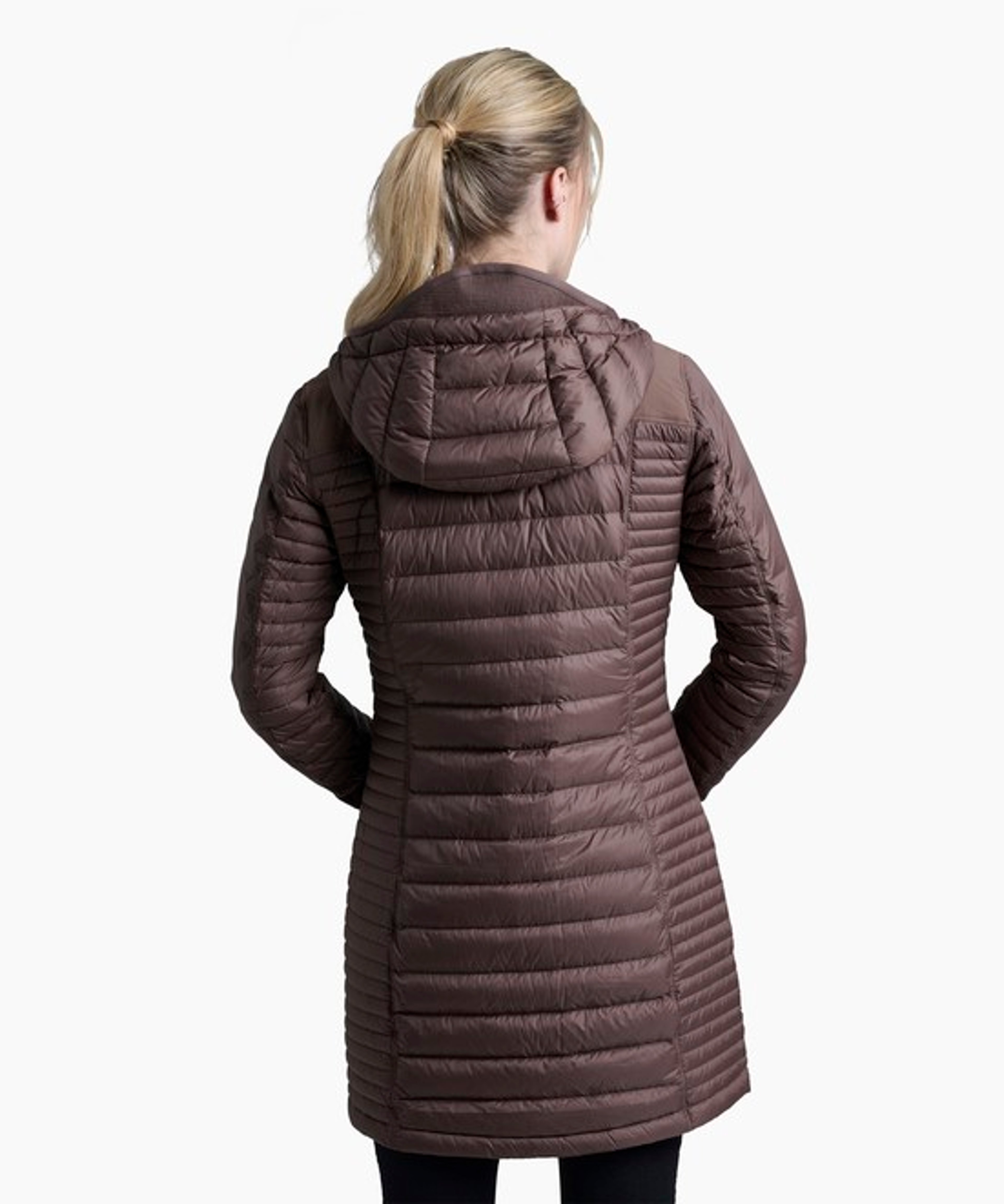
Look for signature touches across the line: stitch-free or sewn baffles tuned for loft, RDS-certified down sourced to verified animal-welfare standards, durable overlays at high-wear areas, and 3D-engineered hoods that move with your head, not against it.
When the temperature drops and the day stretches from trailhead to evening in town, the right down piece is the layer you reach for first. KÜHL women's down jackets deliver high warmth-to-weight without bulk, with body-mapped insulation that puts loft where you actually lose heat.
Choose from a variety of fills, baffle constructions, and fits for the women's down jackets that are right for you:
Active Down for High-Output Days. Built for skinning, ridge hiking, and cold-weather running, our active-down silhouettes pair 800-fill RDS-certified goose down at the core with stretch-woven panels and venting underarm gussets that release heat as you move. The result is a single piece that doesn't force you to stop, unzip, and re-layer every time the grade changes.
Premium Insulation, Quiet Construction. Stitch-free baffle construction reduces cold spots and keeps the down where you placed it, while a DWR finish on the shell sheds light snow and sleet. Articulated arms move with you when you're reaching for poles, ice tools, or the top zipper of a pack.
Around-Town Puffers and Sweater-Knit Hybrids. For travel and everyday wear, our sweater-knit puffers blend RDS-certified down with synthetic fill to balance warmth and weather resistance. They layer easily under a heavier shell when storms move in, and stand alone as a daytime piece when they don't. Pair them with a softshell jacket for cold, dry days and a rain jacket for wet ones.
Vests for Core Warmth, Full Mobility. When you only need to defend the core, a down vest does the work of a jacket without the sleeve bulk. Our women's vests carry the same RDS-certified fill and body-mapped baffles as the full jackets, so the weight you save isn't paid for in warmth.
Look for signature touches across the line: stitch-free or sewn baffles tuned for loft, RDS-certified down sourced to verified animal-welfare standards, durable overlays at high-wear areas, and 3D-engineered hoods that move with your head, not against it.
Choosing the right women's down jacket: fill power, RDS-certified down, baffle construction, layering fit, and what matters for hiking and travel.
What should you look for in women's down jackets?
Look for high fill-power down (650+ for everyday, 800+ for serious cold), RDS-certified sourcing, and body-mapped baffles that place loft where you actually lose heat. The strongest pieces pair these with a DWR-treated shell, a 3D-engineered hood, and articulated arms so the hem doesn't ride up when you reach. Fit matters too: too snug crushes loft and loses warmth, while too loose lets cold air sit between you and the insulation.
What's the difference between a hardshell, softshell, and insulated jacket?
A hardshell is a fully waterproof, breathable membrane piece built for sustained rain and wet snow: no insulation built in. A softshell trades full waterproofing for stretch, breathability, and wind protection, which makes it the better choice for high-output cold-weather work where you'd sweat out a hardshell. An insulated jacket, down or synthetic, is a warmth layer rather than a weather layer. Most cold-weather kits use all three together. See our women's outerwear range for how the layers stack.
How do you choose between down and synthetic insulation?
Down wins on warmth-to-weight and packability. Synthetic wins on wet-weather reliability. High fill-power down (800+) lofts higher than any synthetic on the market, which means more warmth per ounce in your pack. The trade-off: wet down clumps and loses most of its insulating value, while synthetic fill keeps roughly 80% of its warmth when damp. For dry cold, down is the right call. For wet or unpredictable conditions, synthetic or a hybrid fill earns its place.
Are down jackets waterproof or just water-resistant?
Most down jackets are water-resistant, not waterproof. A DWR finish on the face fabric sheds light snow, sleet, and a brief shower, but it isn't built for sustained rain. Water will eventually soak through, wet the down, and collapse the loft. If the forecast calls for real precipitation, layer a dedicated rain shell over the jacket, or choose a piece with a waterproof membrane and taped seams. Assume any down jacket needs a hard layer above it once the rain settles in.
How should a down jacket fit for layering?
It should sit close enough to trap warmth but leave room for a base layer and a mid-weight piece underneath without restricting your reach. Test it the way you'll actually wear it: pull on a base layer and a fleece, zip the jacket, and raise your arms overhead. The hem should stay below your waist, the cuffs should stay over your wrists, and the shoulders shouldn't pull. The hood should clear a beanie without choking the collar.
What features matter most when hiking or backpacking?
Prioritize packability, hood and pocket adjustability, and a face fabric tough enough to live under a pack. A jacket that stuffs into its own pocket (ideally with a clip-in loop) is one you'll actually carry on every shoulder-season trip. Look for an adjustable, helmet-compatible hood, hand pockets positioned high enough to stay accessible under a hipbelt, and a chest pocket for a phone or map. For long-haul cold-weather travel, pair it with a fleece mid-layer and a waterproof shell.