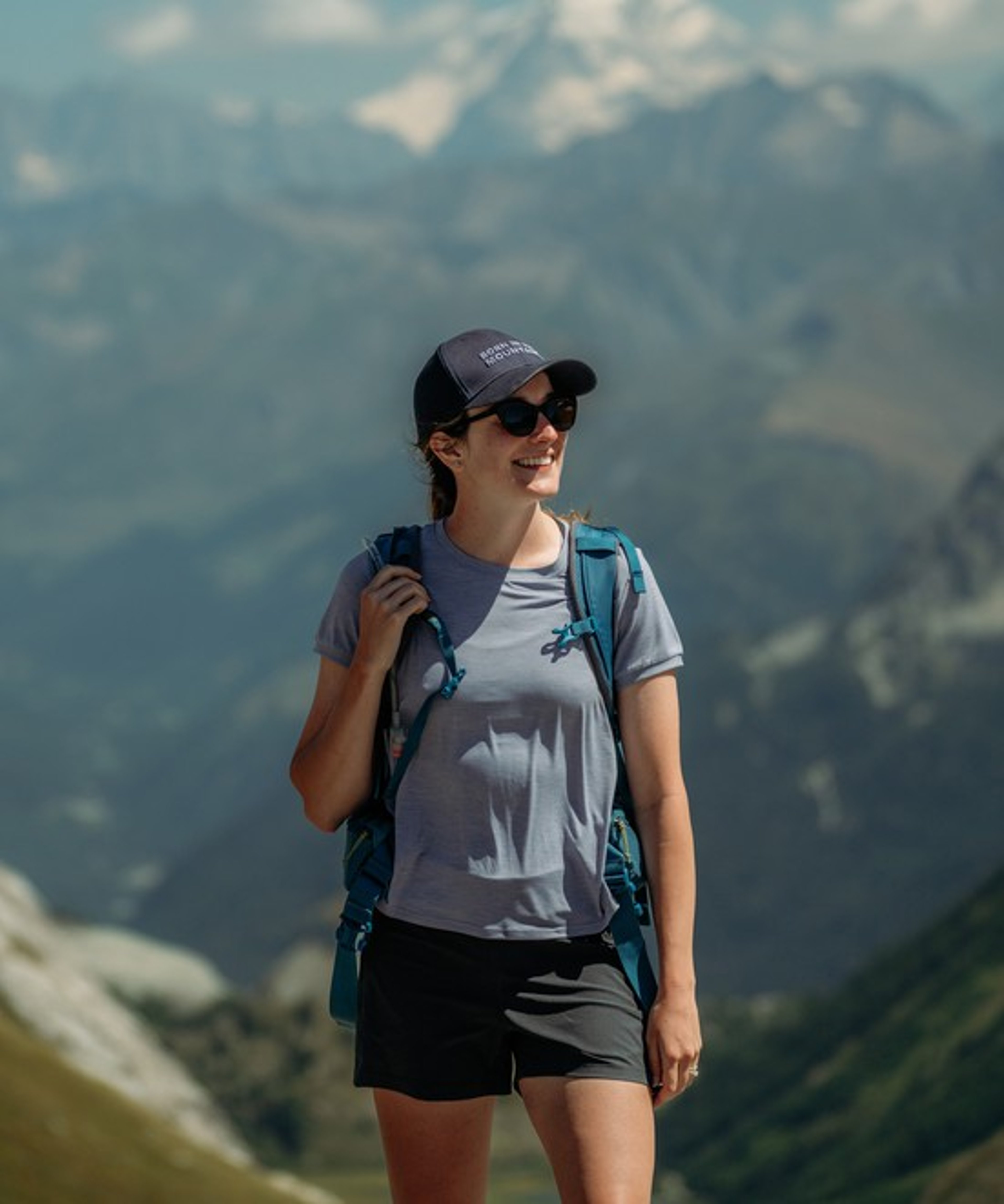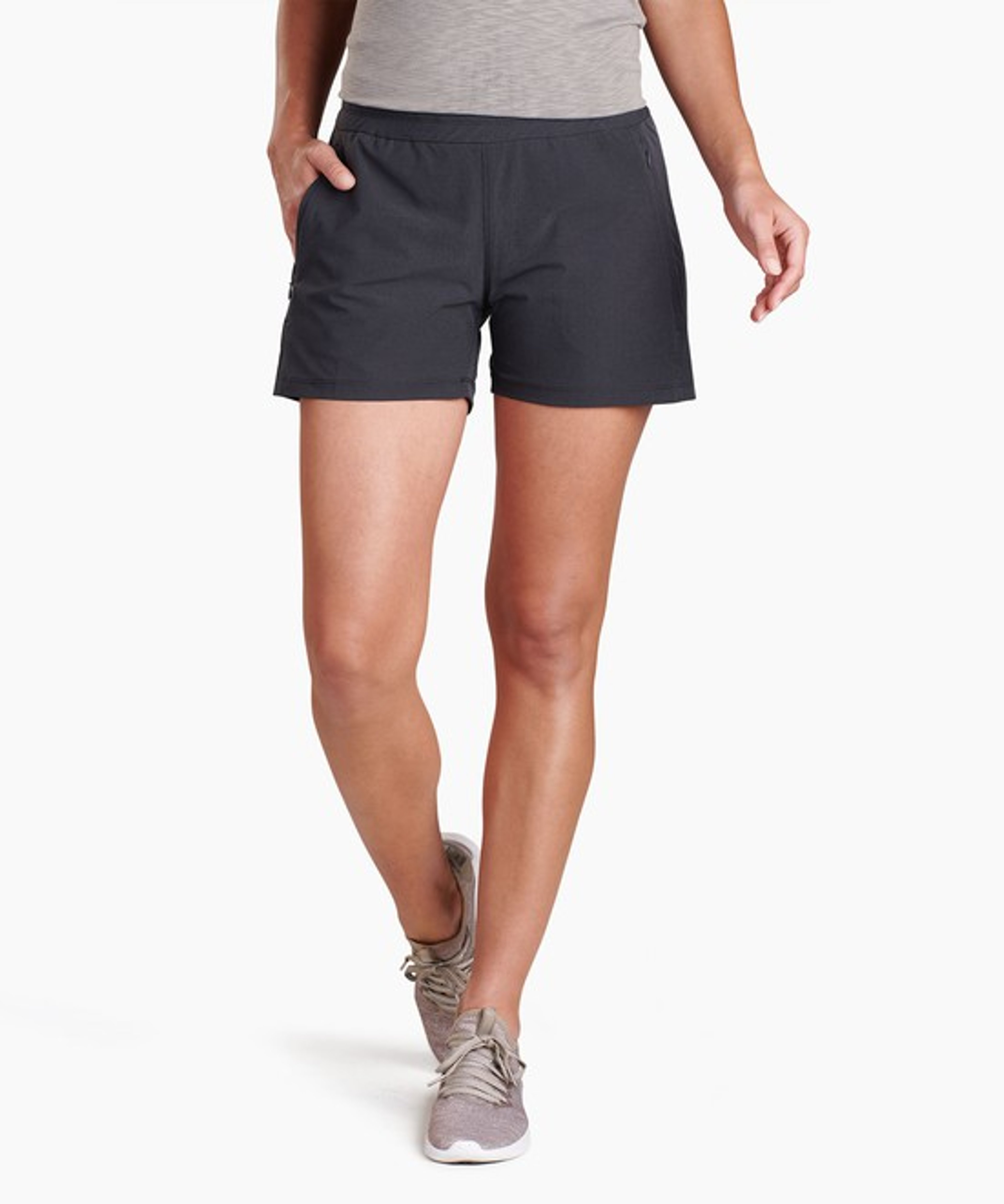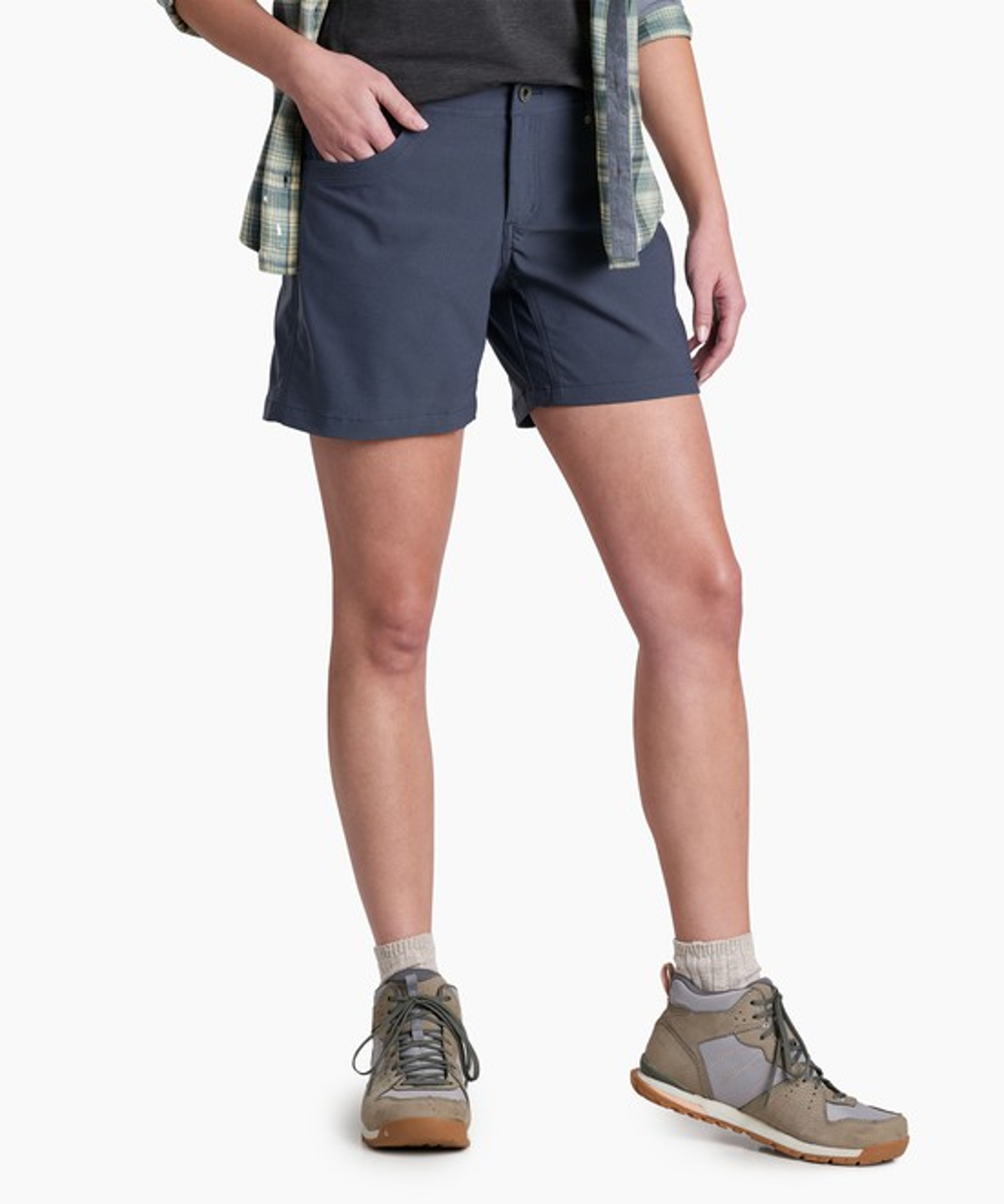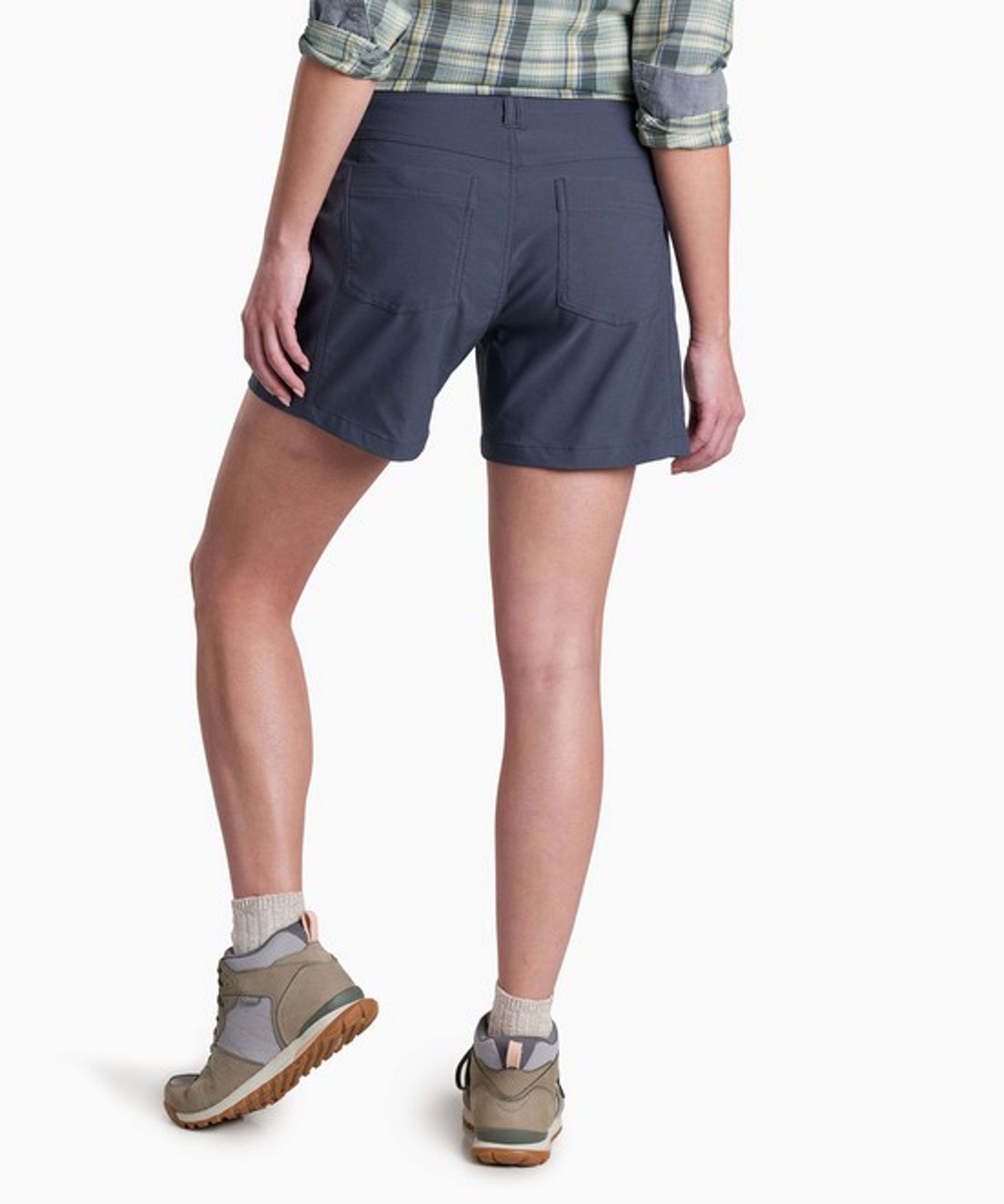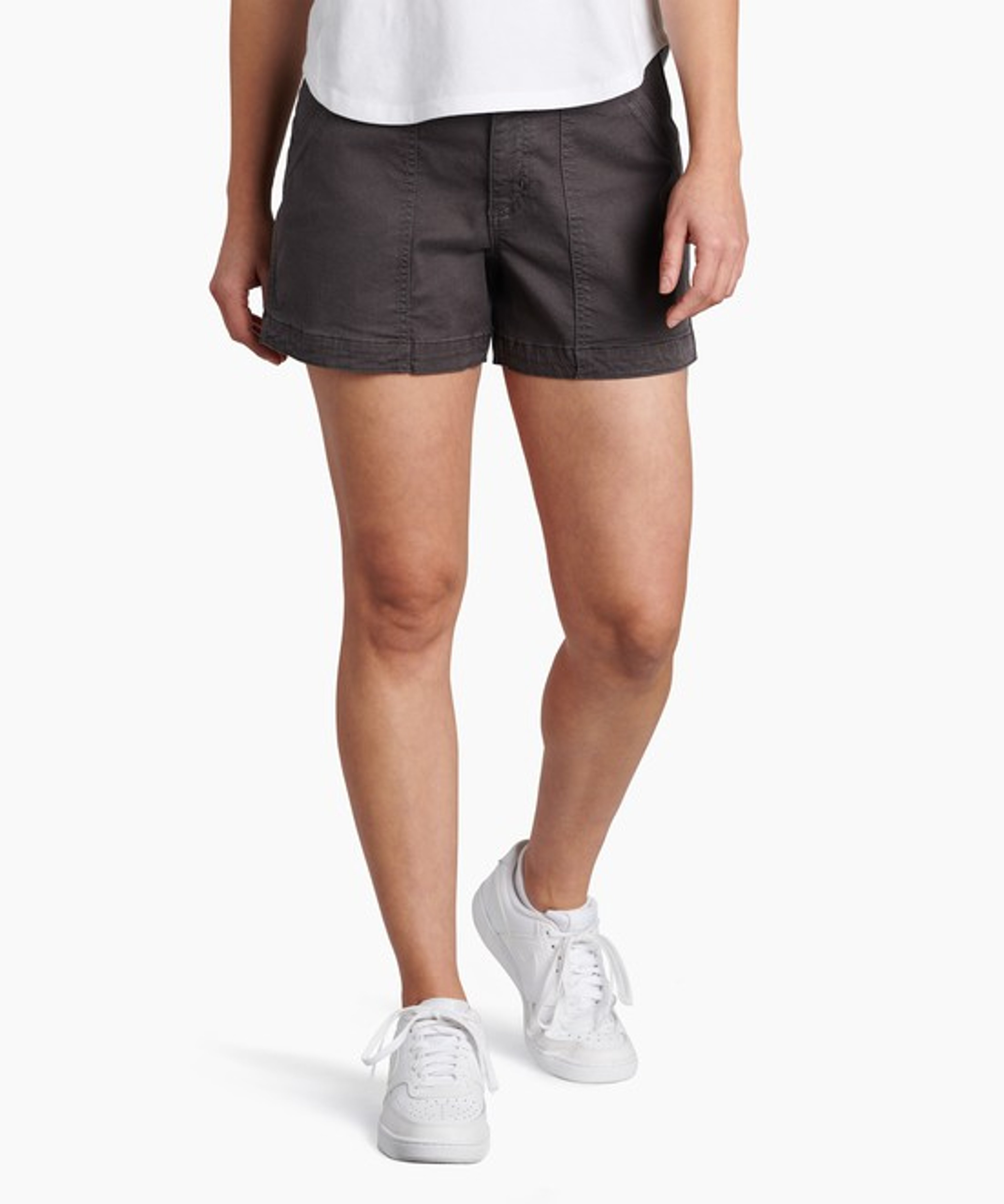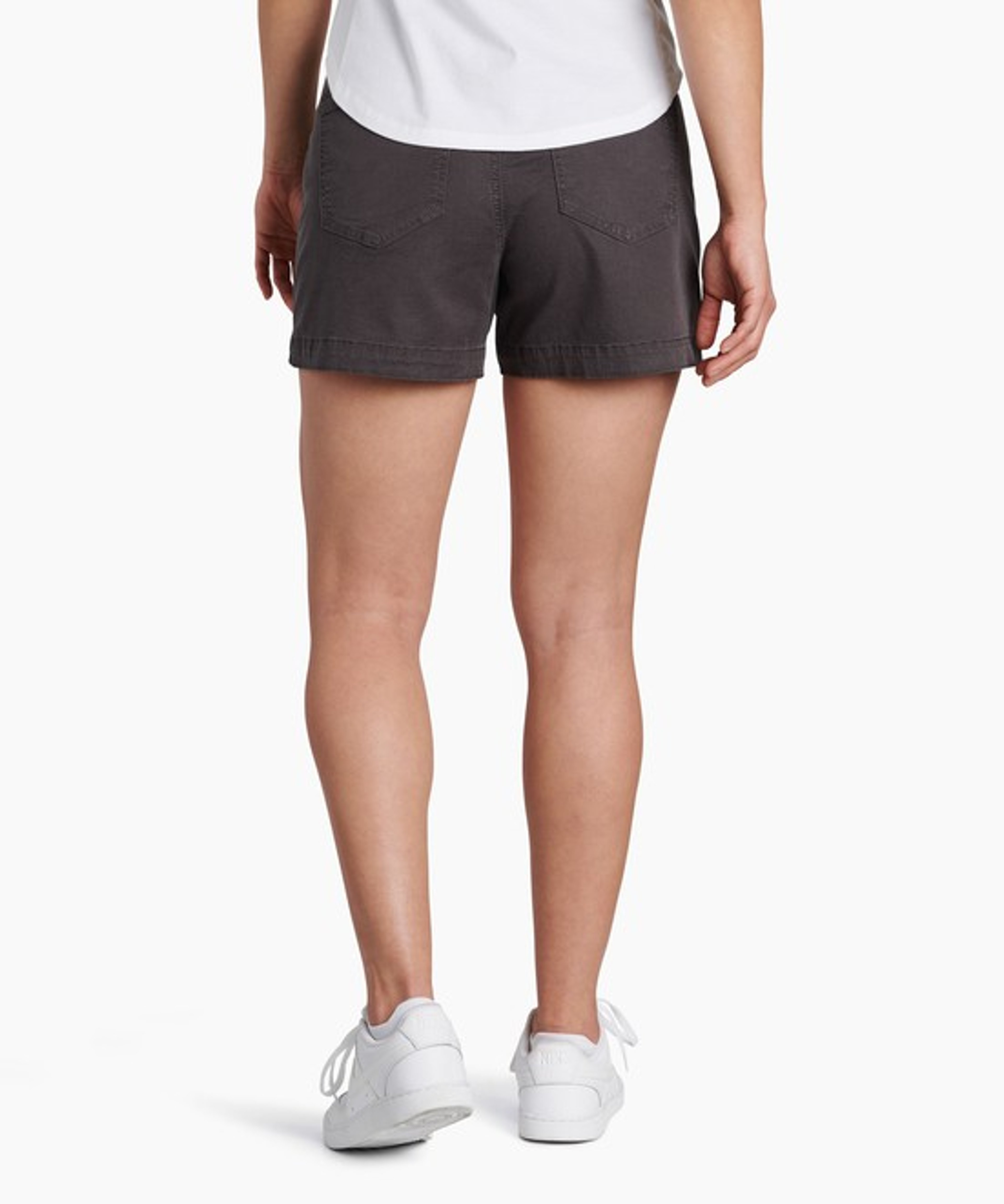




Women's Hiking Shorts
KÜHL Women's Hiking Shorts Deliver Trail-Tough Comfort and Sun Protection
Choose from a variety of fabrics, inseams, and features for the women's hiking shorts that are right for you:
FREEFLEX™ Stretch Comfort. Luxuriously soft, lightweight, and built to move and flow as your body demands, FREEFLEX™ fabric anchors our most active hiking shorts. The blend rebounds with every stride, holds its form through extended wear, and pairs quick-dry performance with moisture-wicking to keep you cool when the trail tilts up.
On-Trail Performance. Our hiking shorts pair 4-way stretch with UPF 50+ sun protection so you can put in long days under open sky without burning out. Quick-dry construction shrugs off creek crossings and sudden rain, ripstop weaves resist abrasion when you scramble over rock, and a DWR finish on select styles sheds light moisture before it soaks in.
Inseam Range. Shorter 4" and 5" inseams run cool for hot-weather trails and post-hike drinks. Mid-length 8" inseams add coverage under a pack hip-belt and stand up to brushier terrain. Pick the length that matches the hike, and the dress code at the trailhead café afterward.
Trail to Town. Cotton-blend performance shorts carry classic five-pocket styling and a contoured waistband for hikes that end on a downtown patio. If you want that same versatility in a longer rise, see our women's pants collection. For a dressier, lighter-packing alternative built around travel, our women's travel shorts lean cleaner.
Look for signature touches like a gusseted crotch for unrestricted stride, articulated construction that moves with you on steep ground, and a zip-secure pocket sized for a phone and keys. A flat-sitting waistband stays comfortable under a pack hip-belt: the difference between finishing strong and quitting at mile six.
Choose from a variety of fabrics, inseams, and features for the women's hiking shorts that are right for you:
FREEFLEX™ Stretch Comfort. Luxuriously soft, lightweight, and built to move and flow as your body demands, FREEFLEX™ fabric anchors our most active hiking shorts. The blend rebounds with every stride, holds its form through extended wear, and pairs quick-dry performance with moisture-wicking to keep you cool when the trail tilts up.
On-Trail Performance. Our hiking shorts pair 4-way stretch with UPF 50+ sun protection so you can put in long days under open sky without burning out. Quick-dry construction shrugs off creek crossings and sudden rain, ripstop weaves resist abrasion when you scramble over rock, and a DWR finish on select styles sheds light moisture before it soaks in.
Inseam Range. Shorter 4" and 5" inseams run cool for hot-weather trails and post-hike drinks. Mid-length 8" inseams add coverage under a pack hip-belt and stand up to brushier terrain. Pick the length that matches the hike, and the dress code at the trailhead café afterward.
Trail to Town. Cotton-blend performance shorts carry classic five-pocket styling and a contoured waistband for hikes that end on a downtown patio. If you want that same versatility in a longer rise, see our women's pants collection. For a dressier, lighter-packing alternative built around travel, our women's travel shorts lean cleaner.
Look for signature touches like a gusseted crotch for unrestricted stride, articulated construction that moves with you on steep ground, and a zip-secure pocket sized for a phone and keys. A flat-sitting waistband stays comfortable under a pack hip-belt: the difference between finishing strong and quitting at mile six.
Everything to know about women's hiking shorts: fabrics, inseam length, fit under a pack, pocket layout, and when shorts beat pants on the trail.
What should you look for in women's hiking shorts?
The best women's hiking shorts pair stretch fabric, a gusseted crotch, UPF 50+ sun protection, and quick-dry construction in one package. Look for a 4-way stretch nylon-spandex blend (avoid cotton-dominant shorts for serious hiking. They soak and stay heavy), a gusseted crotch that lets you stride and step up without binding, and a DWR finish for light rain and creek splash. UPF 50+ matters on exposed ridgelines where sunscreen sweats off by mile three. A flat, no-dig waistband and a secure zip pocket round out the kit.
What inseam length should you choose for hiking shorts?
Pick by terrain and personal coverage preference: 4-5" inseams run cool and fast for hot days, casual wear, and trail running. 8" inseams add coverage and chafe protection under a pack hip-belt on longer hikes. Anything shorter rides up under load and exposes skin to brush and sun. Anything longer starts behaving like a pant. If you only own one pair, an 8" inseam is the most versatile across desert, alpine, and shoulder-season hiking.
What's the difference between hiking, cargo, and casual shorts?
Hiking shorts prioritize stretch, breathability, UPF 50+, and quick-dry performance for miles of trail movement. Cargo shorts trade some of that technical fabric for thigh storage, useful when you want to carry snacks, a map, and a multitool without a pack. Casual shorts lean on style and comfort for everyday wear, often in cotton-blend fabrics that won't perform on a sweaty climb. For day-to-day wear with a softer hand, see our women's casual shorts.
Are hiking shorts good for swimming or water activities?
Yes, quick-dry hiking shorts double well for creek crossings, paddleboarding, and lake swims, especially styles with a DWR finish that shed water on the way out. The same nylon-spandex blends and lightweight FREEFLEX™ fabric that wick sweat on trail also drain and dry fast after a dunk. They aren't a replacement for a dedicated swim short with a mesh liner, but for amphibious trail days where you'll be in and out of water, they're the right tool.
What about pockets, what should the layout include?
Look for a zip-secure pocket as a non-negotiable, plus two hand pockets that sit flat under a hip-belt. The zip pocket protects a car key, a credit card, and a phone from falling out on a scramble or a stream crossing. A back pocket holds a folded map or a snack bar. A thigh pocket sized for a smartphone keeps the screen accessible without unclipping your pack. Bulky cargo pockets shift weight while you stride, fine for casual wear, less ideal under load.
How should hiking shorts fit at the waistband and in the seat?
A good hiking short fits snug enough at the waist that it stays put without a belt, with enough room in the seat and thighs to squat, high-step, and sit on a rock without pulling. The waistband should sit flat with no dig. A hip-belt running over a knotted drawcord all day will end the hike for you. A gusseted crotch and articulated stretch through the seat are what separate a hiking short from a casual one. For colder shoulder-season starts, layer over a lightweight bottom from our women's baselayer collection.