



Men's Performance Vests
Layer Up Without the Bulk in KÜHL Men's Performance Vests
Choose from a variety of fabrics, styles, and features for the men's vest that's right for you:
Core Warmth, Free Arms. A vest puts the heat where you need it (over your core) while leaving your arms unrestricted for swinging an axe, casting a line, or moving fast on the trail. It's the layer that earns its place across three seasons and pulls double duty as a mid-layer under a shell when winter sets in.
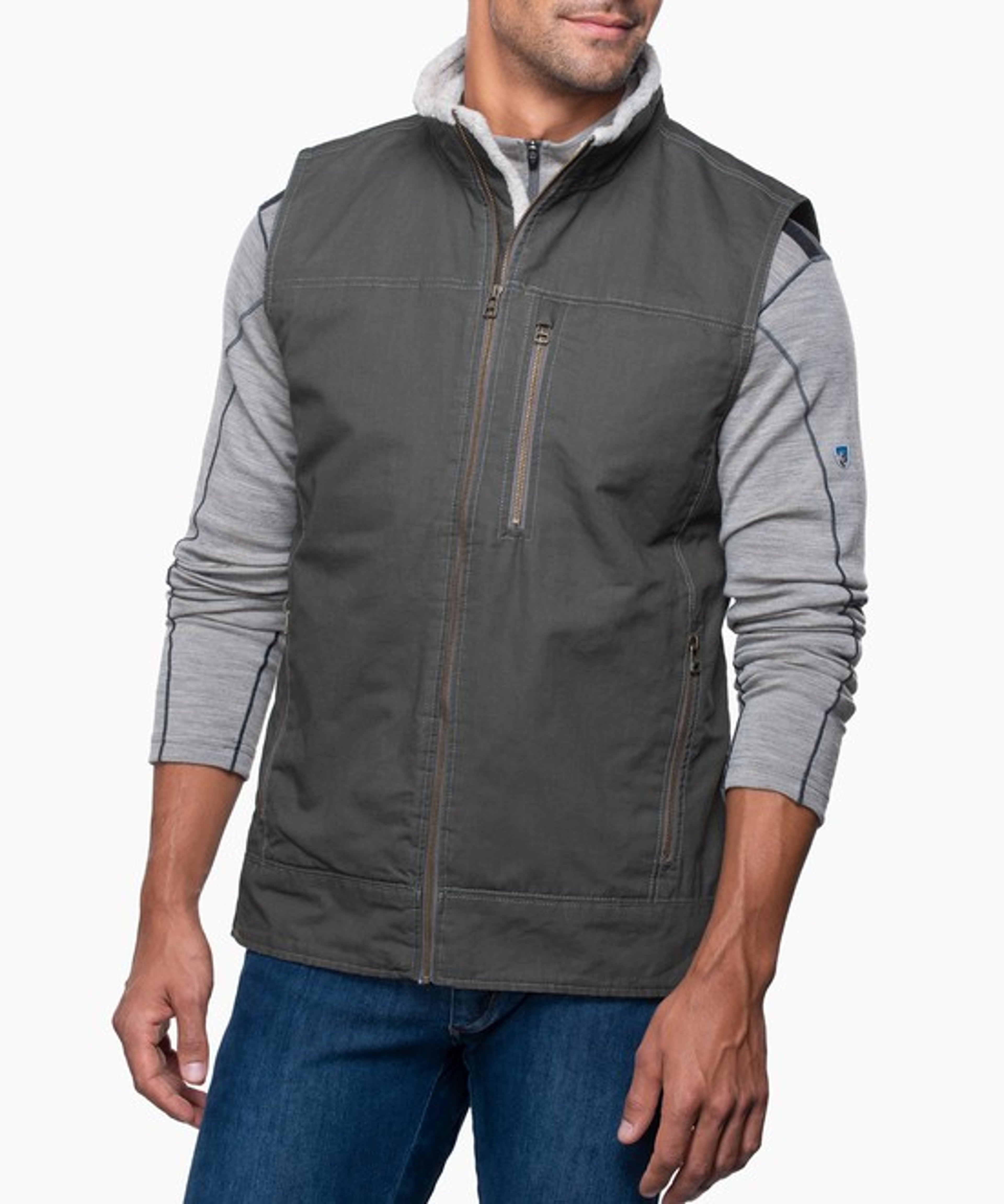
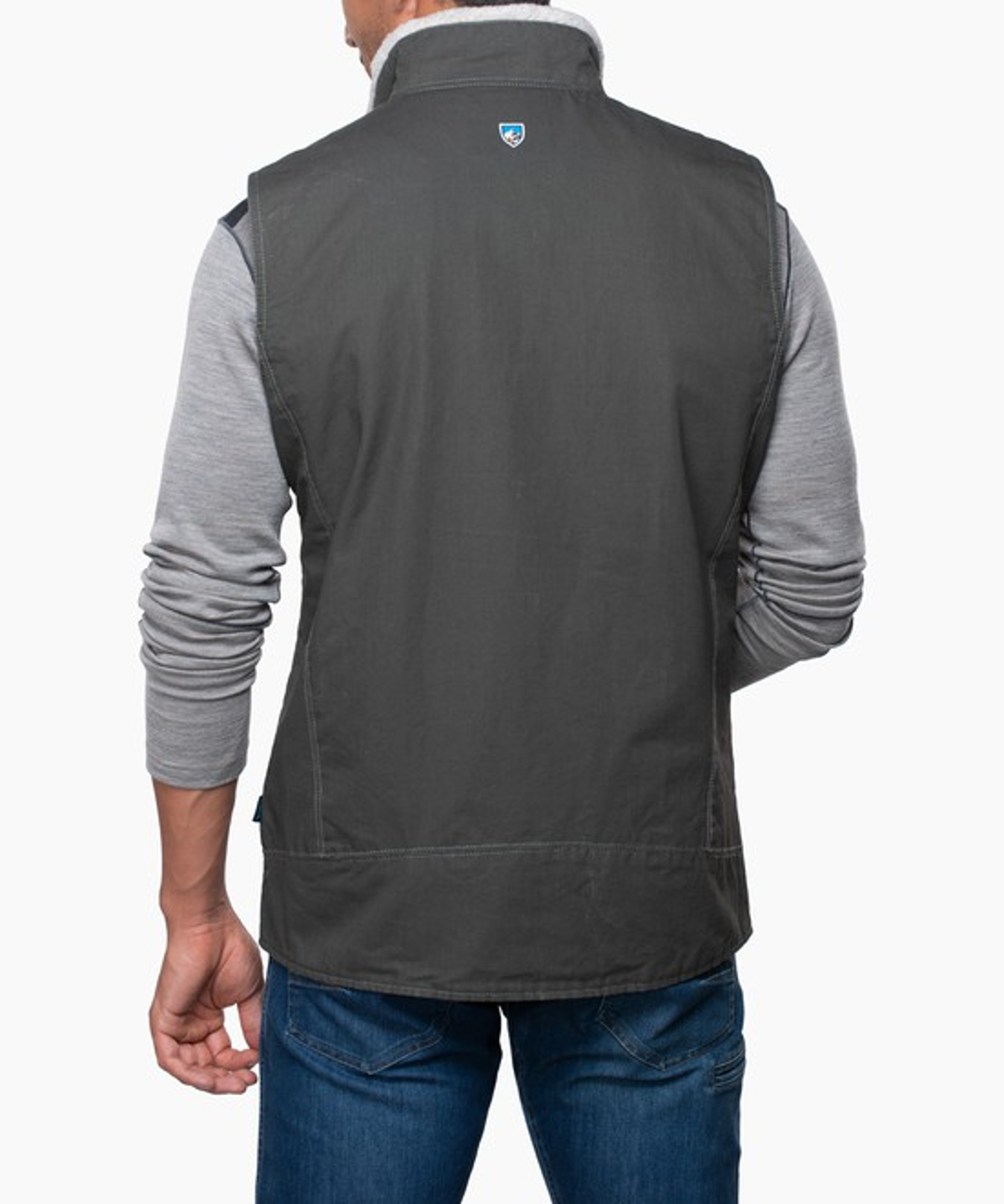
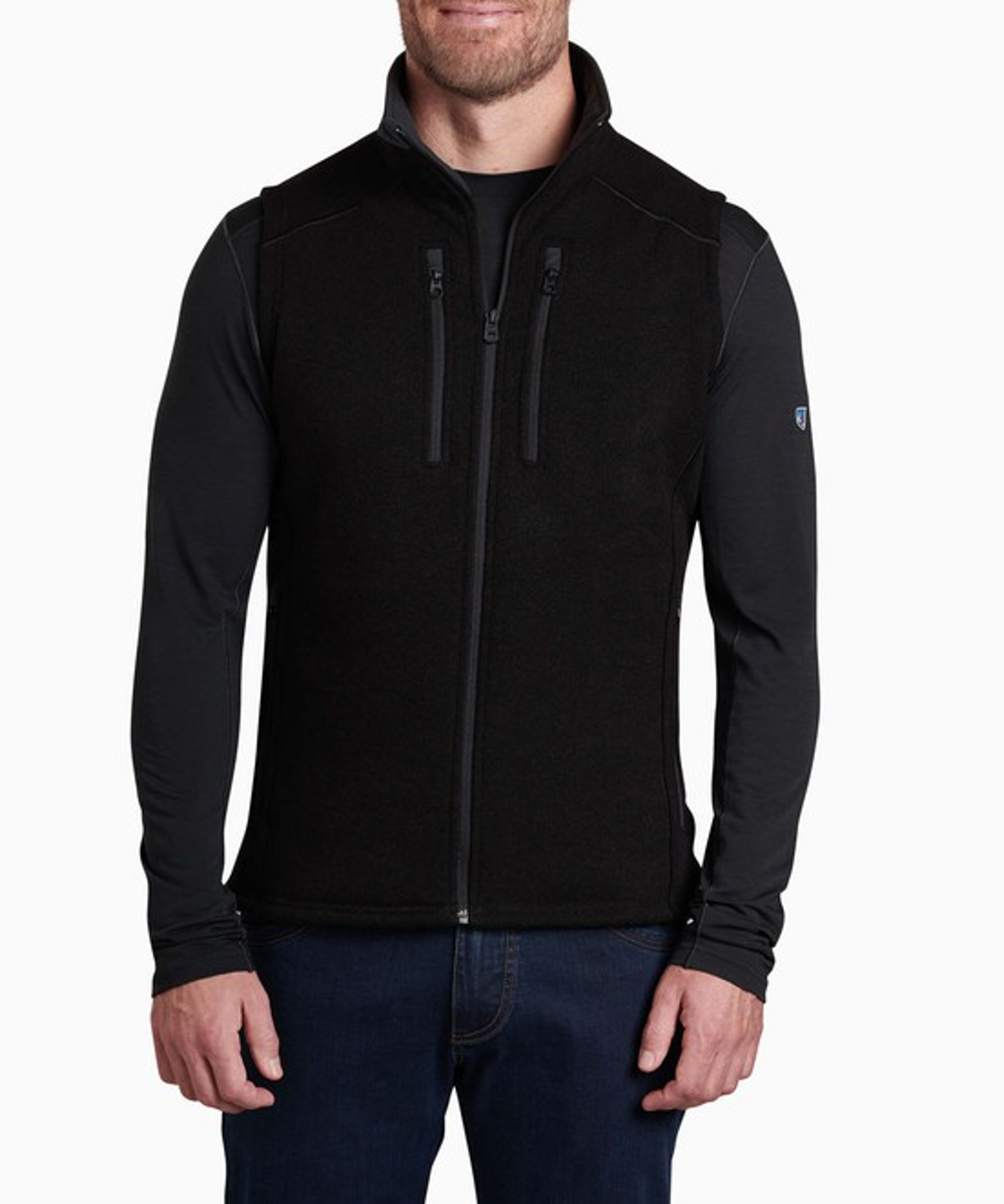
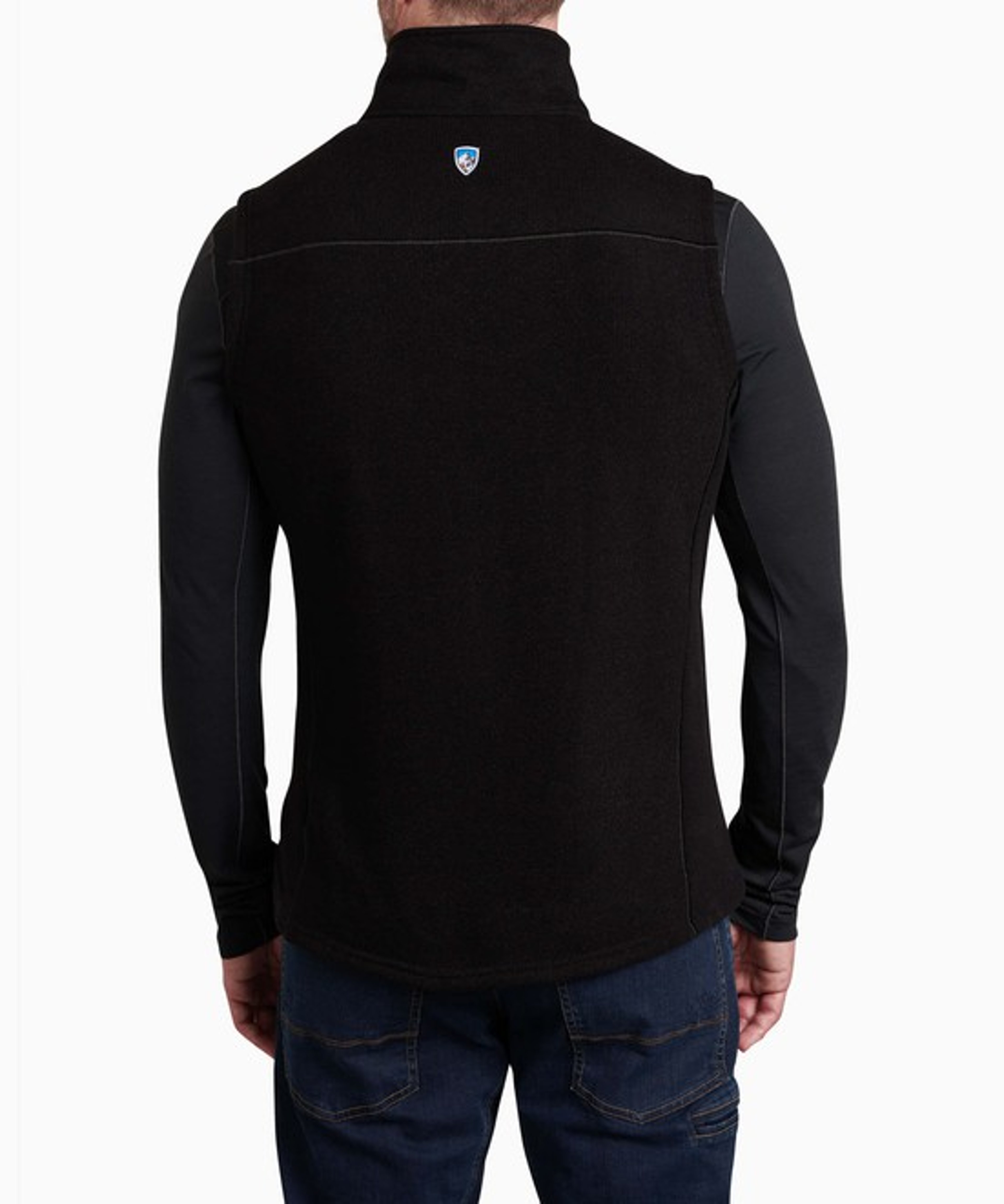
Performance Fleece Insulation. Our ALFPACA GOLD™ performance fleece anchors several styles in the line, delivering exceptional softness and a strong warmth-to-weight ratio in a fabric that still breathes. Paired with KASHMIRA™ side panels, it cuts bulk where you need range of motion most. The combination layers cleanly under a shell and stands alone on cool, dry mornings.
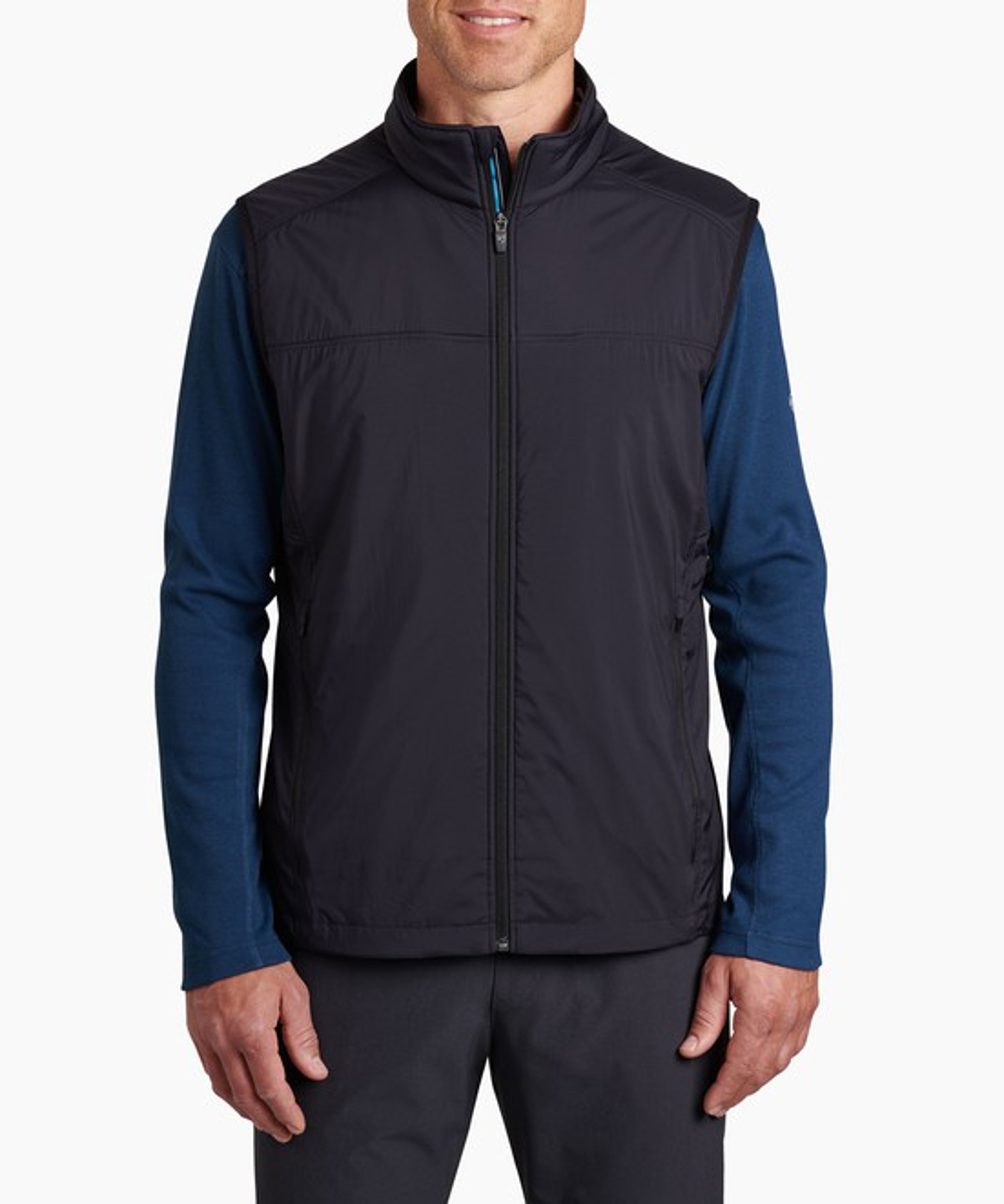
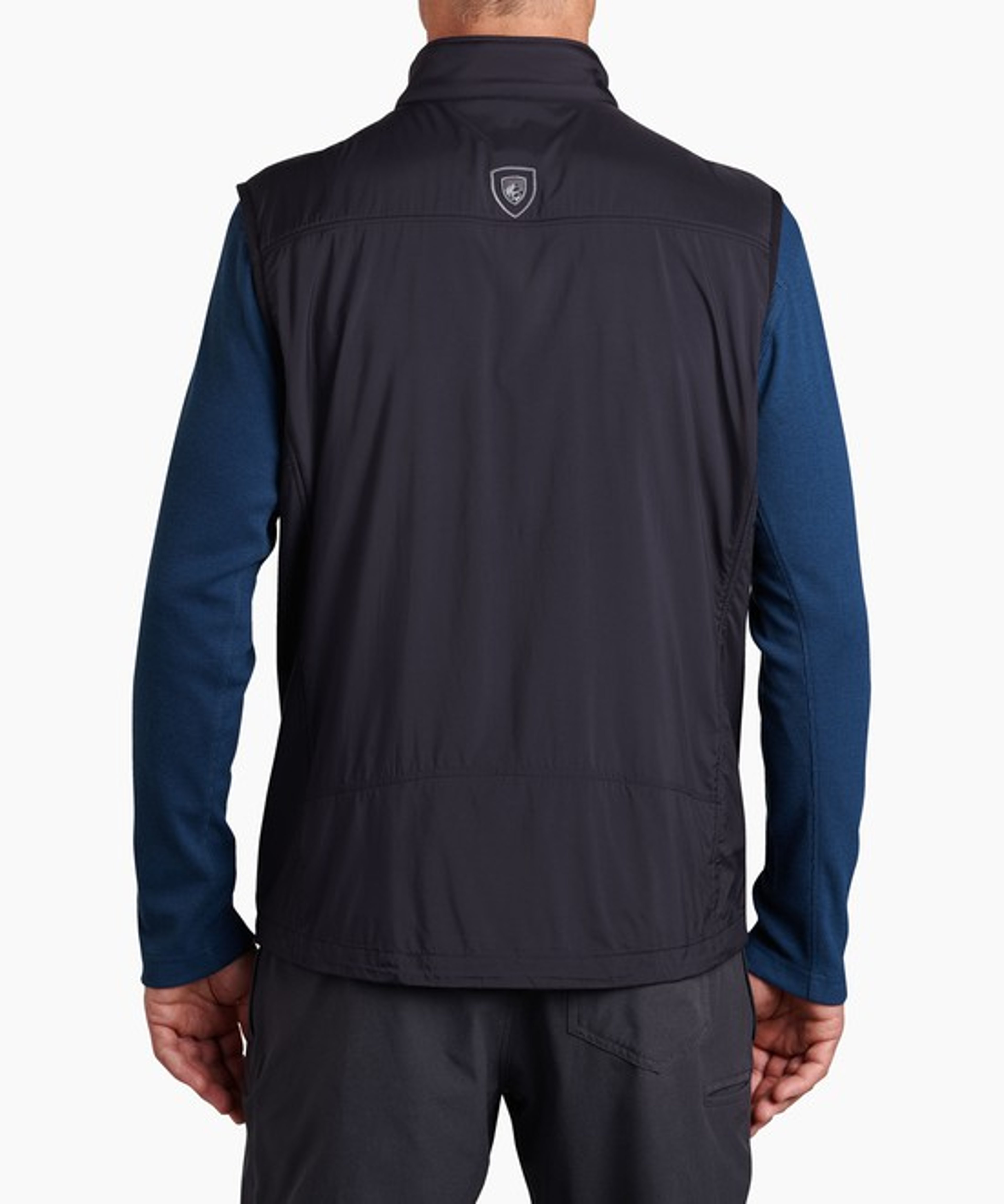
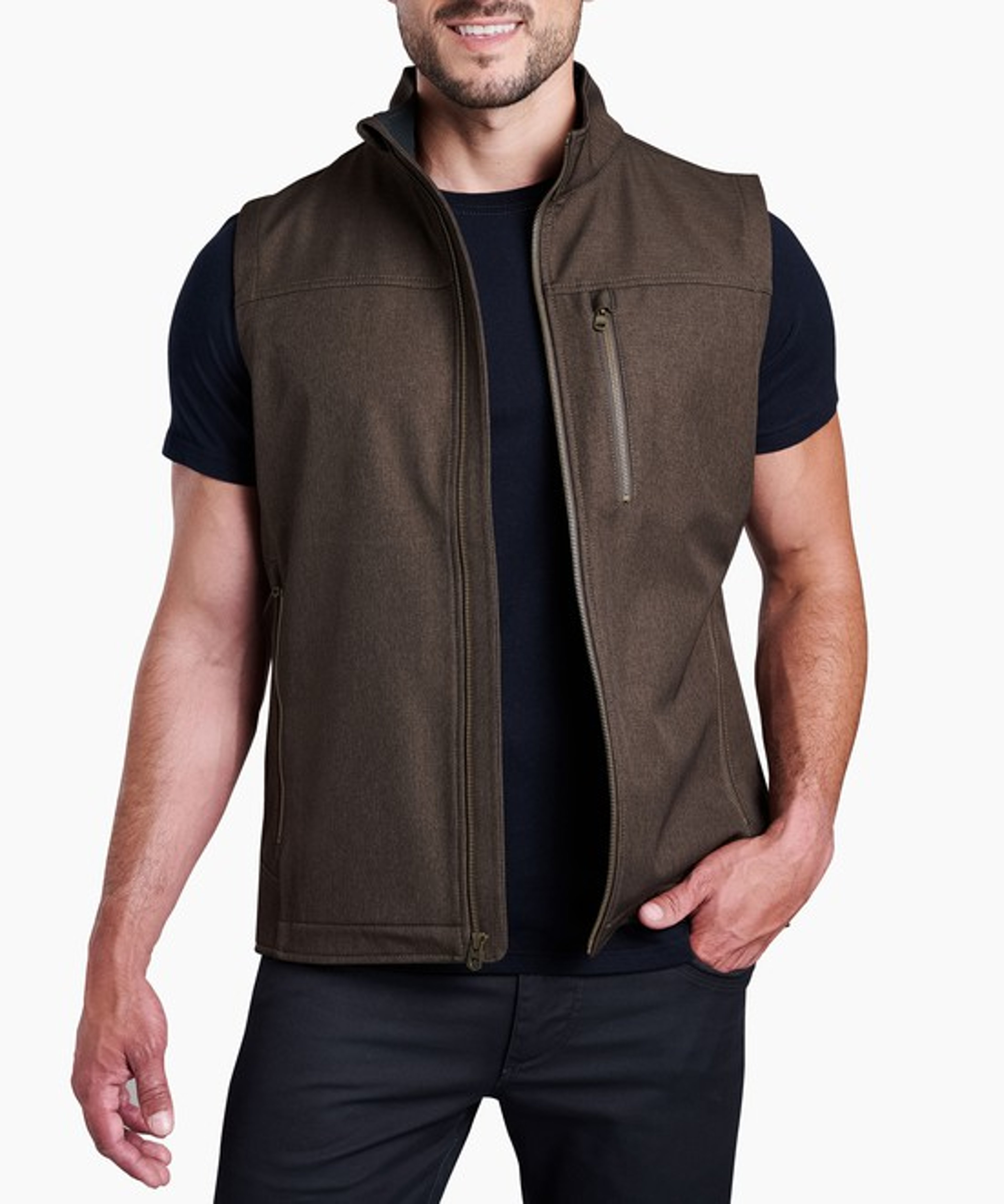
Softshell Protection. Wind- and water-resistant softshell vests pair a rugged face with a brushed interior or grid fleece lining for next-to-skin comfort. A DWR finish shrugs off light rain and trail spray, and a smooth interior trim around the neck keeps layering snag-free. These are the vests that bridge fall into winter and don't quit when the weather turns.
Insulated and Down Options. For deeper cold, look for synthetic-fill or down-insulated styles with thermal body mapping that concentrates loft across the chest and back. A water-resistant ripstop shell and reinforced shoulders handle pack straps and gear-carry abuse, while zippered hand pockets keep keys, gloves, and a phone secure when you're moving.
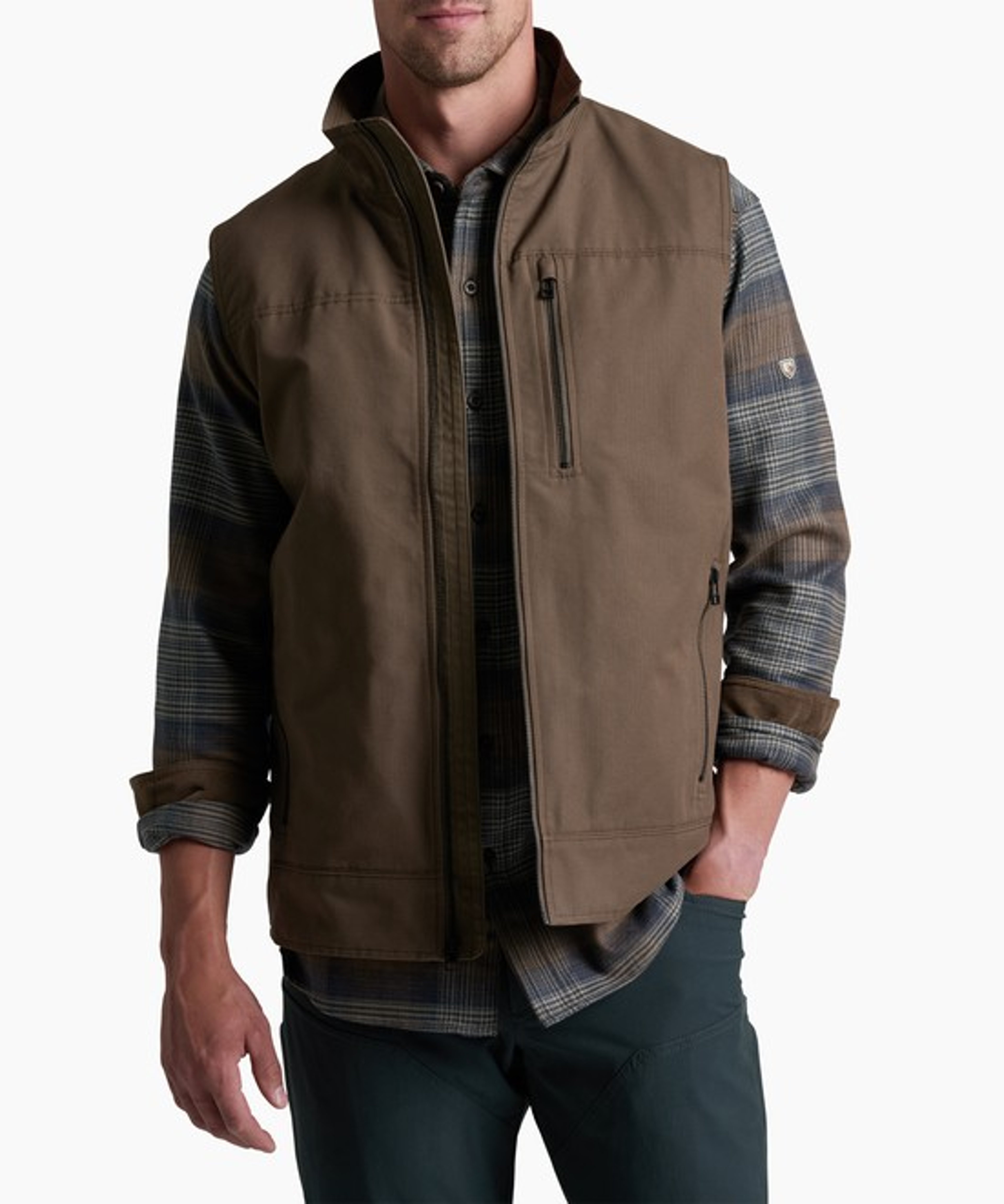
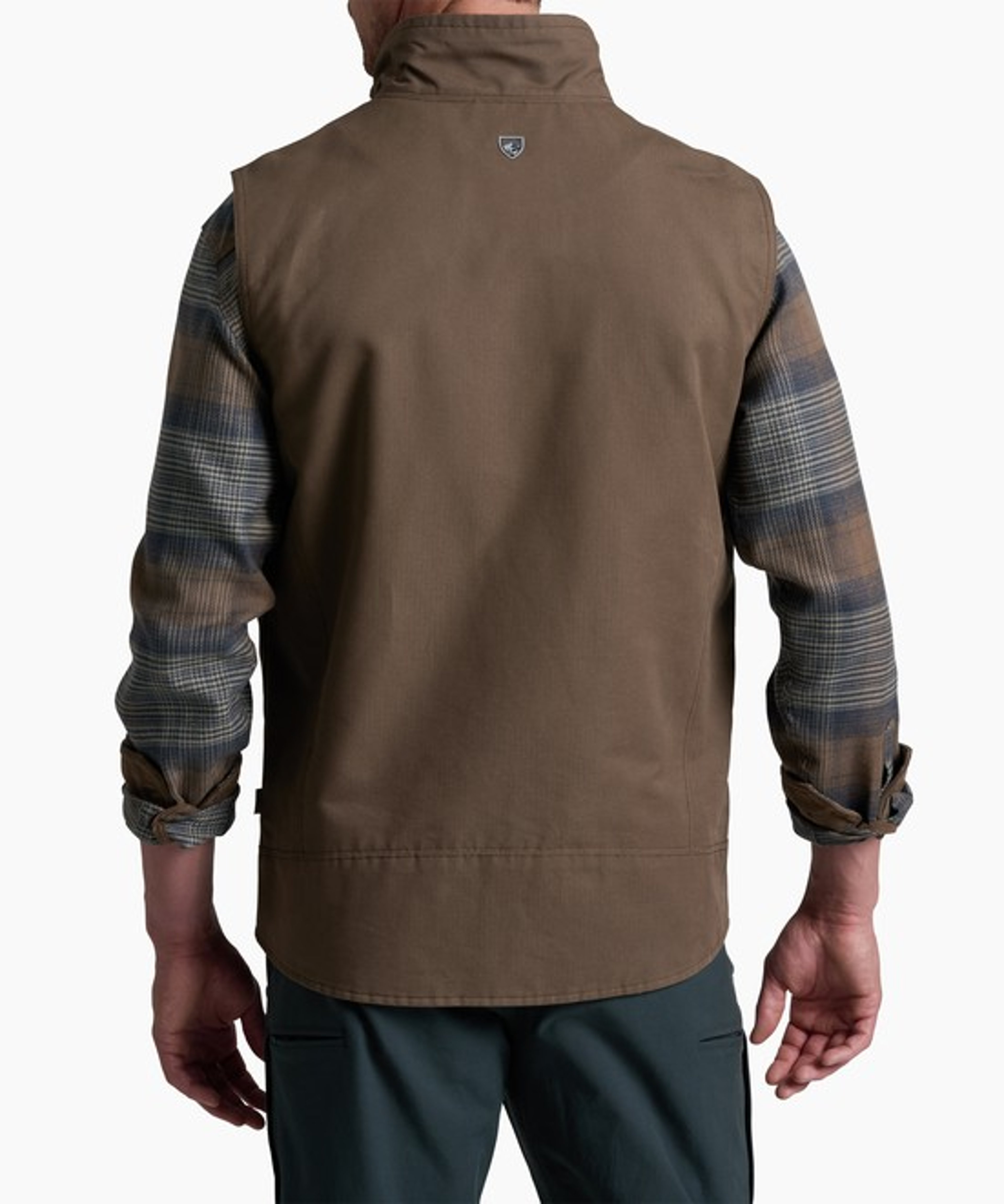
Rugged Casual. Heritage cotton canvas vests deliver a worn-in feel with the structure to handle yard work, a job site, or a campfire. Zippered pockets, a clean silhouette, and a unique dye finish make them as at-home in town as they are on a weekend project.
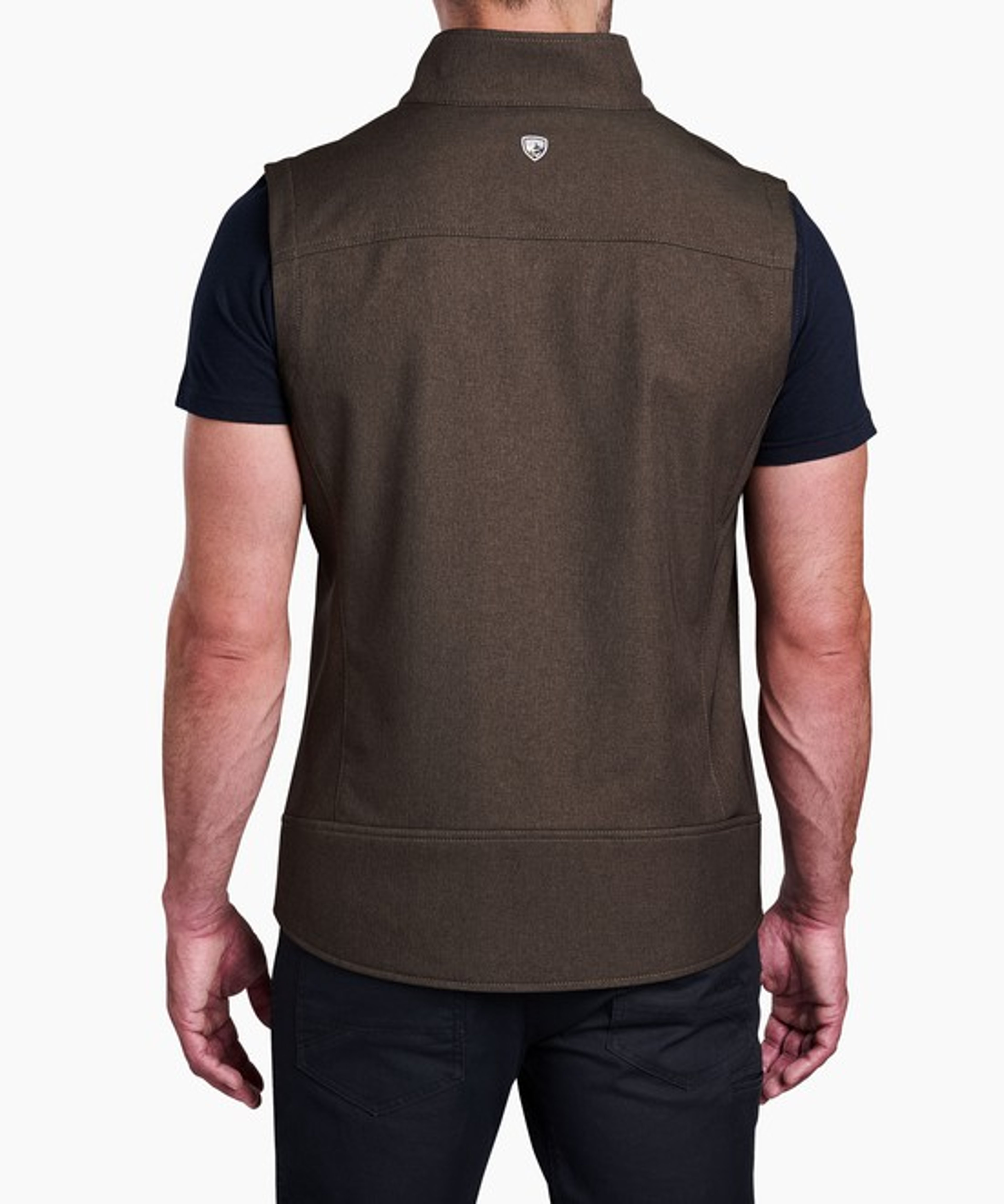
Look for signature touches across the line: reinforced shoulders for gear-carry durability, smooth interior trim around the neck for layering comfort, and zippered hand pockets that secure essentials on the move. For a wider view of how vests fit a layering system, see our men's outerwear and fleece collection.
Choose from a variety of fabrics, styles, and features for the men's vest that's right for you:
Core Warmth, Free Arms. A vest puts the heat where you need it (over your core) while leaving your arms unrestricted for swinging an axe, casting a line, or moving fast on the trail. It's the layer that earns its place across three seasons and pulls double duty as a mid-layer under a shell when winter sets in.
Performance Fleece Insulation. Our ALFPACA GOLD™ performance fleece anchors several styles in the line, delivering exceptional softness and a strong warmth-to-weight ratio in a fabric that still breathes. Paired with KASHMIRA™ side panels, it cuts bulk where you need range of motion most. The combination layers cleanly under a shell and stands alone on cool, dry mornings.
Softshell Protection. Wind- and water-resistant softshell vests pair a rugged face with a brushed interior or grid fleece lining for next-to-skin comfort. A DWR finish shrugs off light rain and trail spray, and a smooth interior trim around the neck keeps layering snag-free. These are the vests that bridge fall into winter and don't quit when the weather turns.
Insulated and Down Options. For deeper cold, look for synthetic-fill or down-insulated styles with thermal body mapping that concentrates loft across the chest and back. A water-resistant ripstop shell and reinforced shoulders handle pack straps and gear-carry abuse, while zippered hand pockets keep keys, gloves, and a phone secure when you're moving.
Rugged Casual. Heritage cotton canvas vests deliver a worn-in feel with the structure to handle yard work, a job site, or a campfire. Zippered pockets, a clean silhouette, and a unique dye finish make them as at-home in town as they are on a weekend project.
Look for signature touches across the line: reinforced shoulders for gear-carry durability, smooth interior trim around the neck for layering comfort, and zippered hand pockets that secure essentials on the move. For a wider view of how vests fit a layering system, see our men's outerwear and fleece collection.
From core-warm fleece to wind- and water-resistant softshell, KÜHL men's vests cover three-season layering. Here's how to choose the right one.
What should you look for in men's vests?
The best men's vests deliver core warmth without restricting arm movement, layer cleanly under a shell, and match the conditions you'll actually face.
Look for a few specifics: a DWR finish on the face for light rain and wind, breathable panels or a brushed interior that releases heat on the climb, and a trim-enough cut that still leaves room for a base and mid layer underneath. Match the insulation to the use: performance fleece for active days, down or synthetic fill for static warmth around camp.
If you want a fuller weather barrier with sleeves, see our men's softshell outerwear.
Look for a few specifics: a DWR finish on the face for light rain and wind, breathable panels or a brushed interior that releases heat on the climb, and a trim-enough cut that still leaves room for a base and mid layer underneath. Match the insulation to the use: performance fleece for active days, down or synthetic fill for static warmth around camp.
If you want a fuller weather barrier with sleeves, see our men's softshell outerwear.
What's the difference between a hardshell, softshell, and insulated vest?
A hardshell is your full waterproof layer, a softshell handles wind and light moisture with more breathability, and an insulated vest is built around warmth rather than weather protection.
Hardshells use a waterproof membrane and taped seams to keep sustained rain out. They're the choice when the forecast is wet. Softshells trade absolute waterproofing for a quieter, more flexible fabric with a DWR finish. They handle showers, wind, and trail spray while breathing better on the climb. Insulated vests put warmth first, with fleece, down, or synthetic fill at the core and a shell fabric chosen to balance durability with packability. Most three-season setups lean on a softshell or insulated vest plus a separate shell when true rain shows up.
Hardshells use a waterproof membrane and taped seams to keep sustained rain out. They're the choice when the forecast is wet. Softshells trade absolute waterproofing for a quieter, more flexible fabric with a DWR finish. They handle showers, wind, and trail spray while breathing better on the climb. Insulated vests put warmth first, with fleece, down, or synthetic fill at the core and a shell fabric chosen to balance durability with packability. Most three-season setups lean on a softshell or insulated vest plus a separate shell when true rain shows up.
How do you choose between down and synthetic insulation?
Choose down for the best warmth-to-weight and packability. Choose synthetic when wet weather is part of the plan.
Down delivers more warmth per ounce than any synthetic, compresses small for travel, and lasts decades when cared for. The trade-off is that wet down loses loft and dries slowly, so it's the right call for cold-dry conditions and a poor one for sustained rain. Synthetic insulation keeps loft when damp, dries faster, and costs less, making it the smarter pick for shoulder-season hiking, freezing drizzle, and anyone who runs warm and damp. RDS-certified down and recycled synthetic fills are increasingly the standard worth looking for.
For a deeper look at down-insulated layers, browse our men's down outerwear.
Down delivers more warmth per ounce than any synthetic, compresses small for travel, and lasts decades when cared for. The trade-off is that wet down loses loft and dries slowly, so it's the right call for cold-dry conditions and a poor one for sustained rain. Synthetic insulation keeps loft when damp, dries faster, and costs less, making it the smarter pick for shoulder-season hiking, freezing drizzle, and anyone who runs warm and damp. RDS-certified down and recycled synthetic fills are increasingly the standard worth looking for.
For a deeper look at down-insulated layers, browse our men's down outerwear.
Are vests waterproof or just water-resistant?
Most performance vests are water-resistant, not fully waterproof. They shed light rain and spray but aren't built for sustained downpours.
A DWR (durable water repellent) finish causes water to bead and roll off the face fabric, which handles a passing shower and trail mist without soaking through. True waterproofing requires a membrane plus taped seams, and on a vest the open arm holes make full weather sealing pointless anyway. If you expect sustained rain, layer a waterproof shell over the vest rather than asking the vest to do the job alone. Refresh the DWR every season or two to keep beading performance high.
A DWR (durable water repellent) finish causes water to bead and roll off the face fabric, which handles a passing shower and trail mist without soaking through. True waterproofing requires a membrane plus taped seams, and on a vest the open arm holes make full weather sealing pointless anyway. If you expect sustained rain, layer a waterproof shell over the vest rather than asking the vest to do the job alone. Refresh the DWR every season or two to keep beading performance high.
How should a vest fit for layering?
A vest should fit trim enough to layer cleanly under a shell, with room for a base layer and a thin mid-layer underneath without binding across the chest or shoulders.
The shoulders are the key check. They should sit flat without pulling when you reach overhead. The hem should cover your waistband and stay put when you bend, and the armholes should be large enough to clear a long-sleeve mid-layer without bunching. If you'll wear the vest as an outer piece in mild weather, size for your usual fit. If it's always going under a shell, size with that combined layer in mind.
The shoulders are the key check. They should sit flat without pulling when you reach overhead. The hem should cover your waistband and stay put when you bend, and the armholes should be large enough to clear a long-sleeve mid-layer without bunching. If you'll wear the vest as an outer piece in mild weather, size for your usual fit. If it's always going under a shell, size with that combined layer in mind.
What features matter most when hiking or backpacking?
For hiking and backpacking, prioritize packability, pocket access under a pack, and a shell fabric that survives brush and pack-strap wear.
Look for a packable construction that stuffs into its own pocket for transit, a ripstop or reinforced face fabric that won't pill or tear when a hipbelt rides over it, and chest or upper-hand pockets you can actually reach with a sternum strap clipped. Reinforced shoulders matter on any vest you'll wear under a loaded pack. That's the high-wear zone. Zippered pockets keep a phone, map, or snack secure when you scramble, and a trim hem that doesn't catch on a hipbelt rounds out the practical checklist.
Look for a packable construction that stuffs into its own pocket for transit, a ripstop or reinforced face fabric that won't pill or tear when a hipbelt rides over it, and chest or upper-hand pockets you can actually reach with a sternum strap clipped. Reinforced shoulders matter on any vest you'll wear under a loaded pack. That's the high-wear zone. Zippered pockets keep a phone, map, or snack secure when you scramble, and a trim hem that doesn't catch on a hipbelt rounds out the practical checklist.