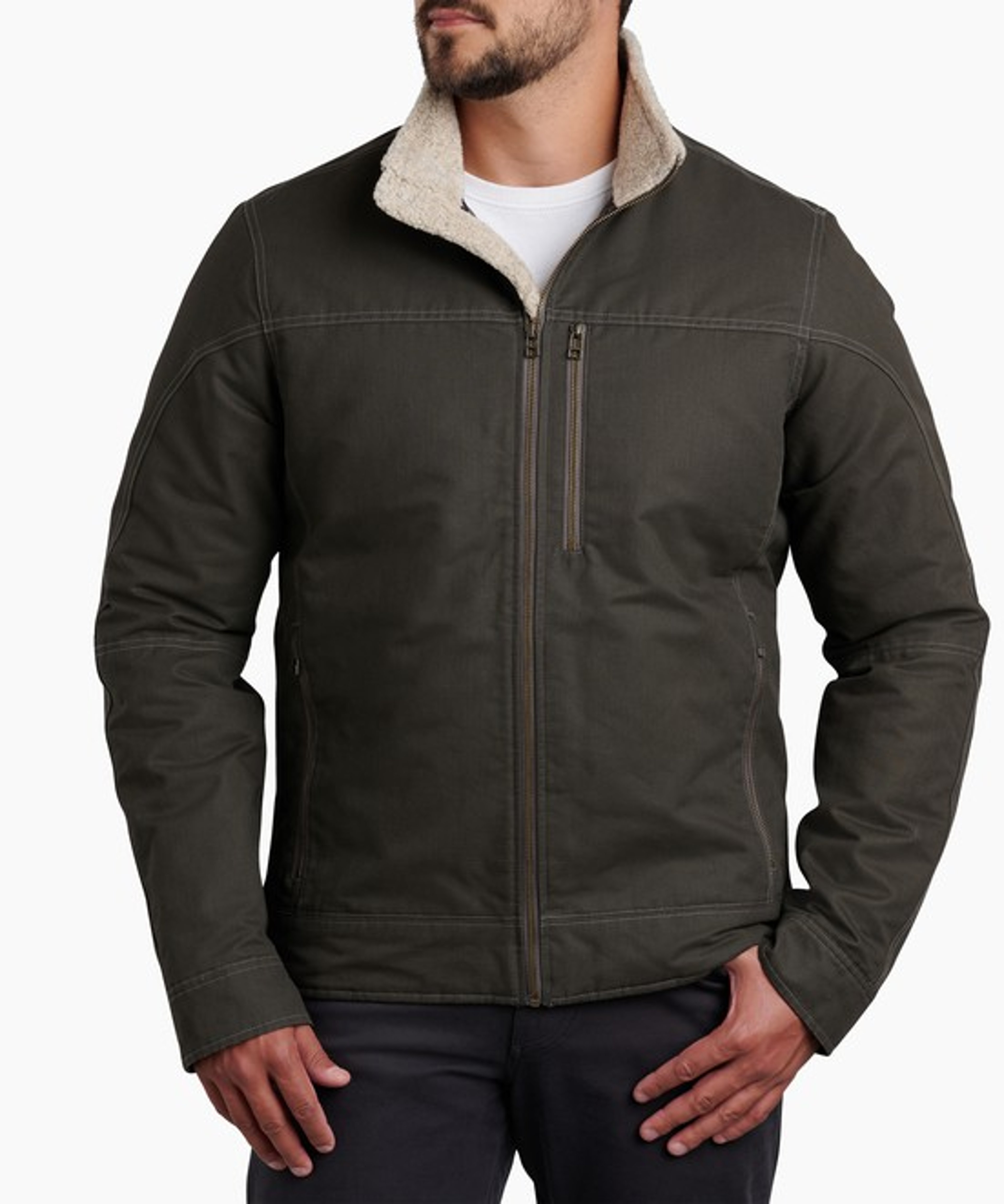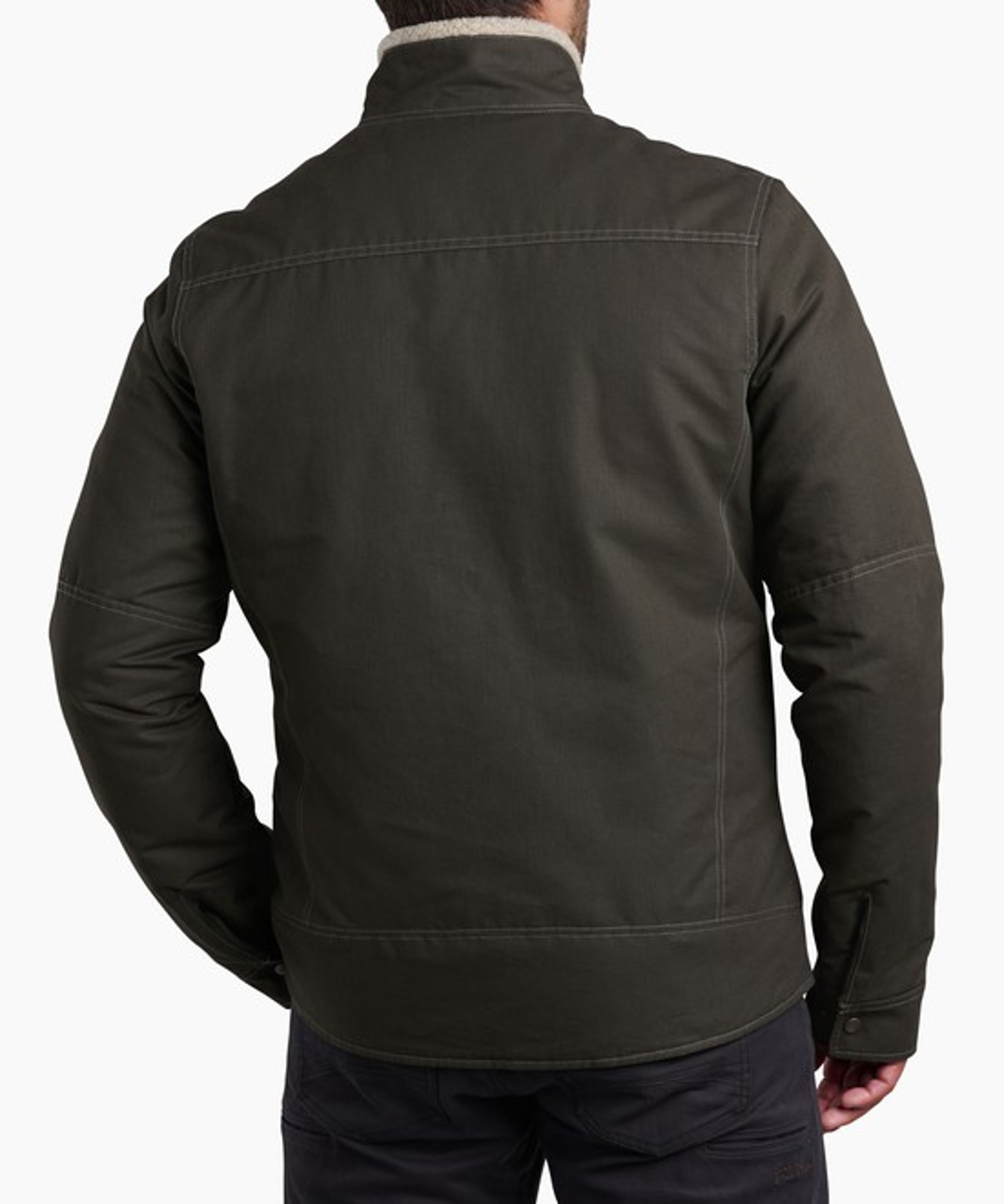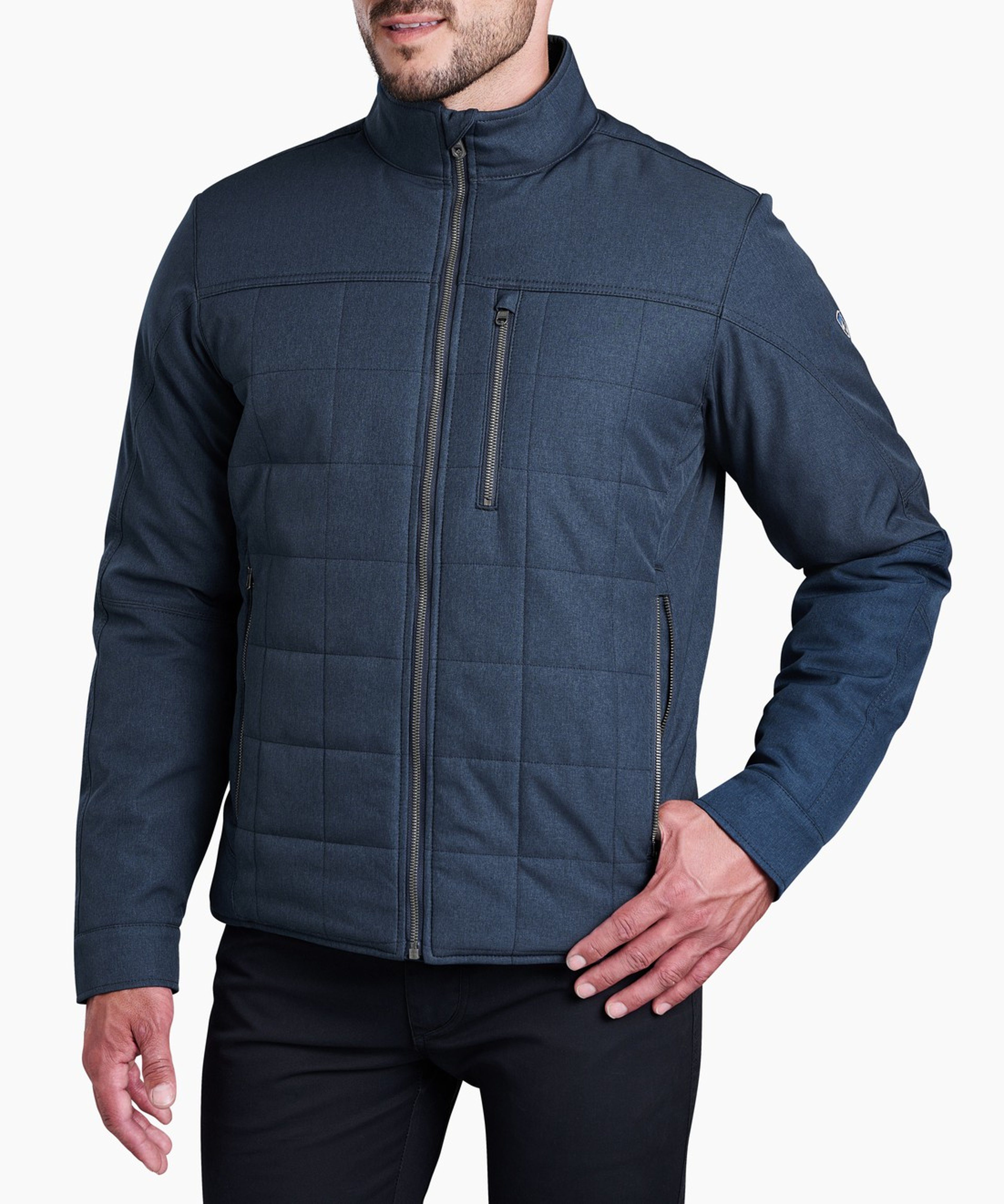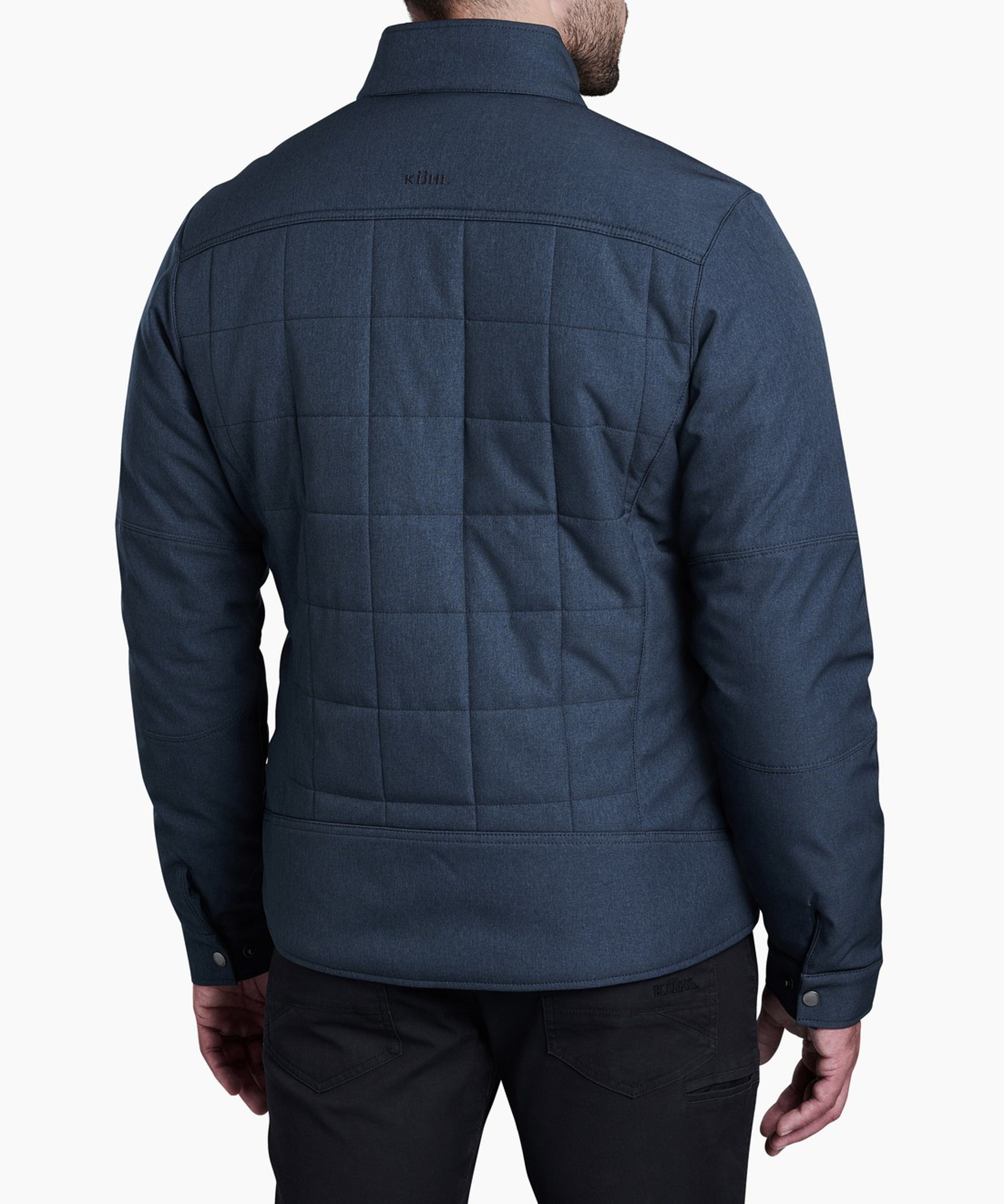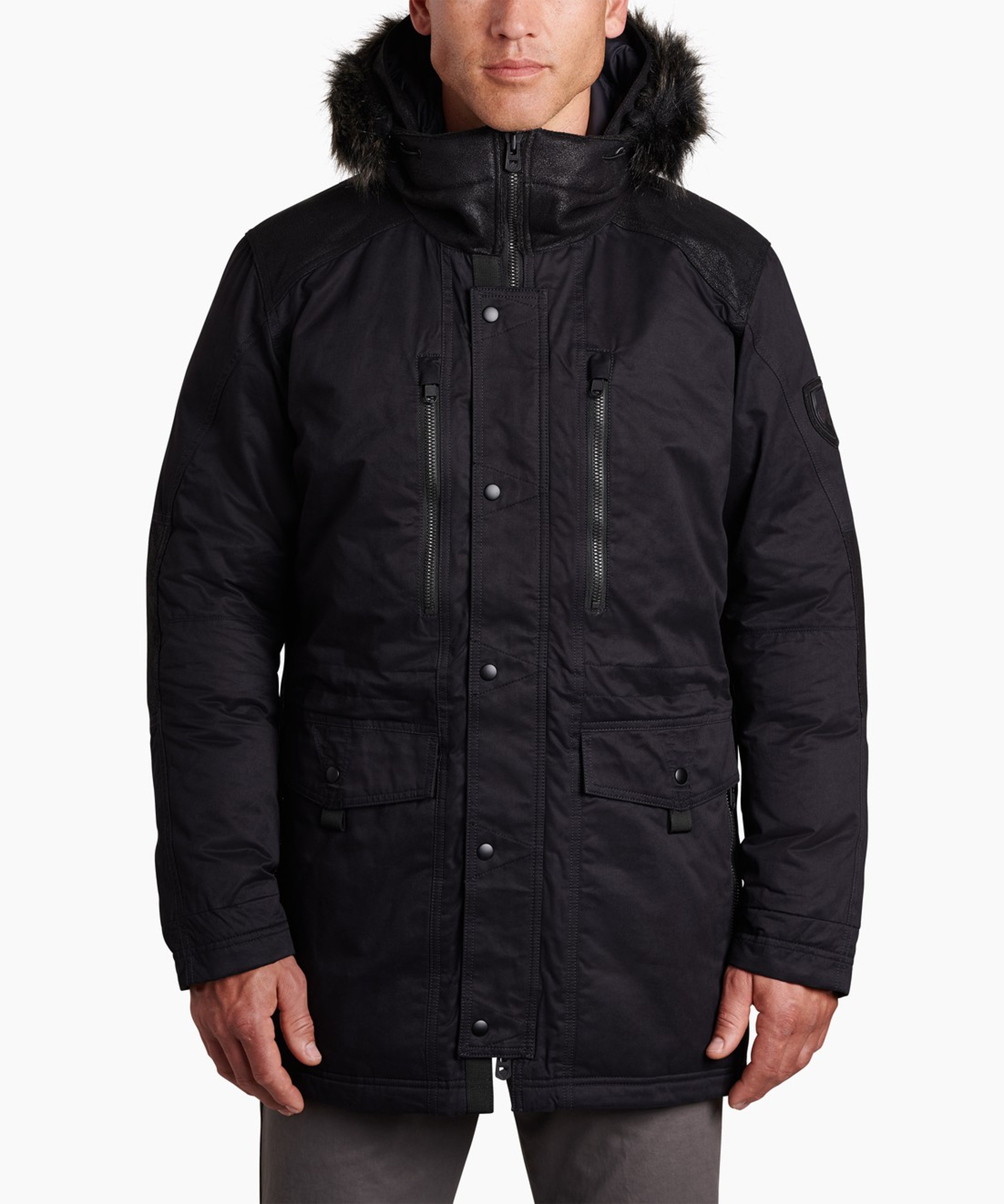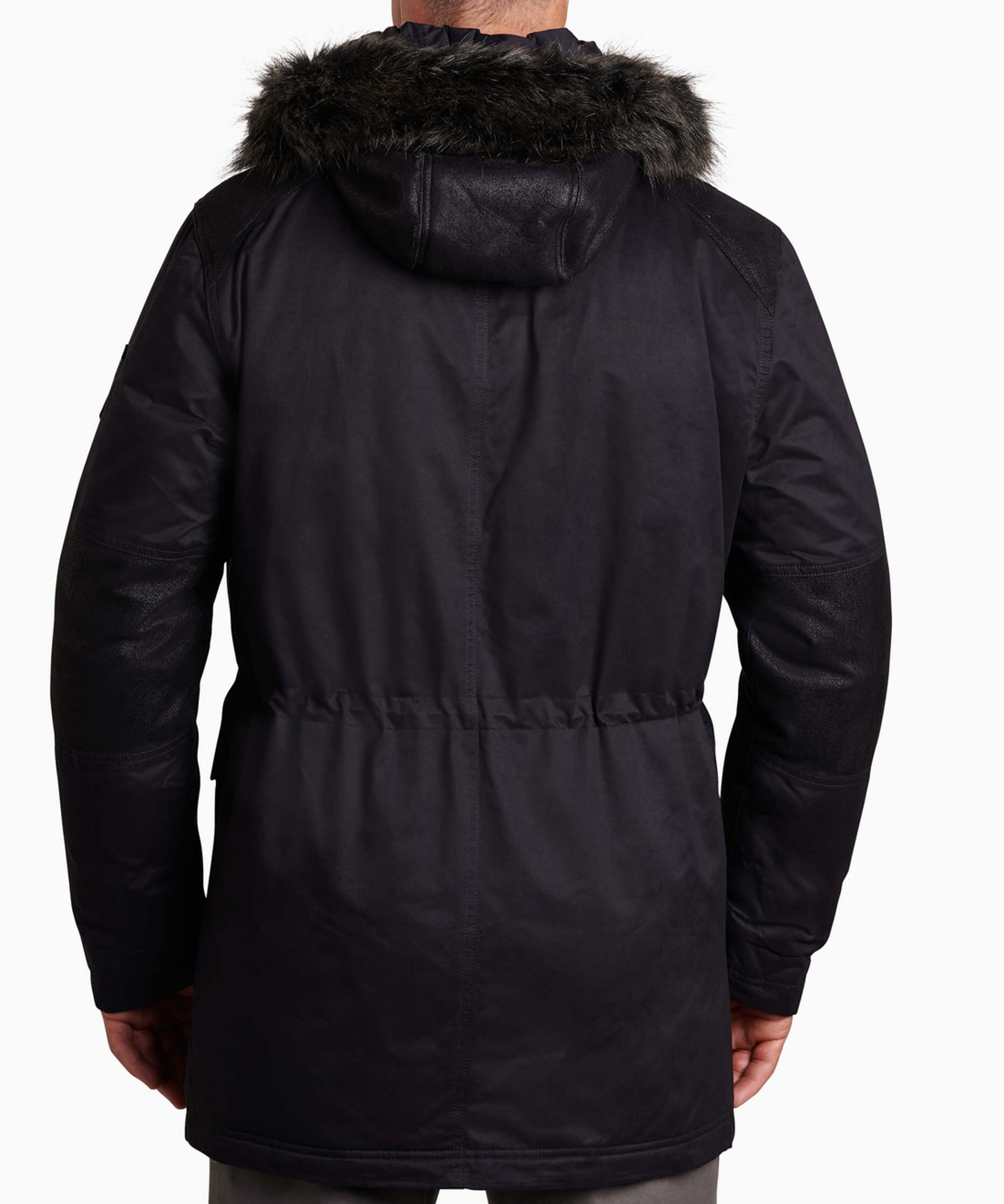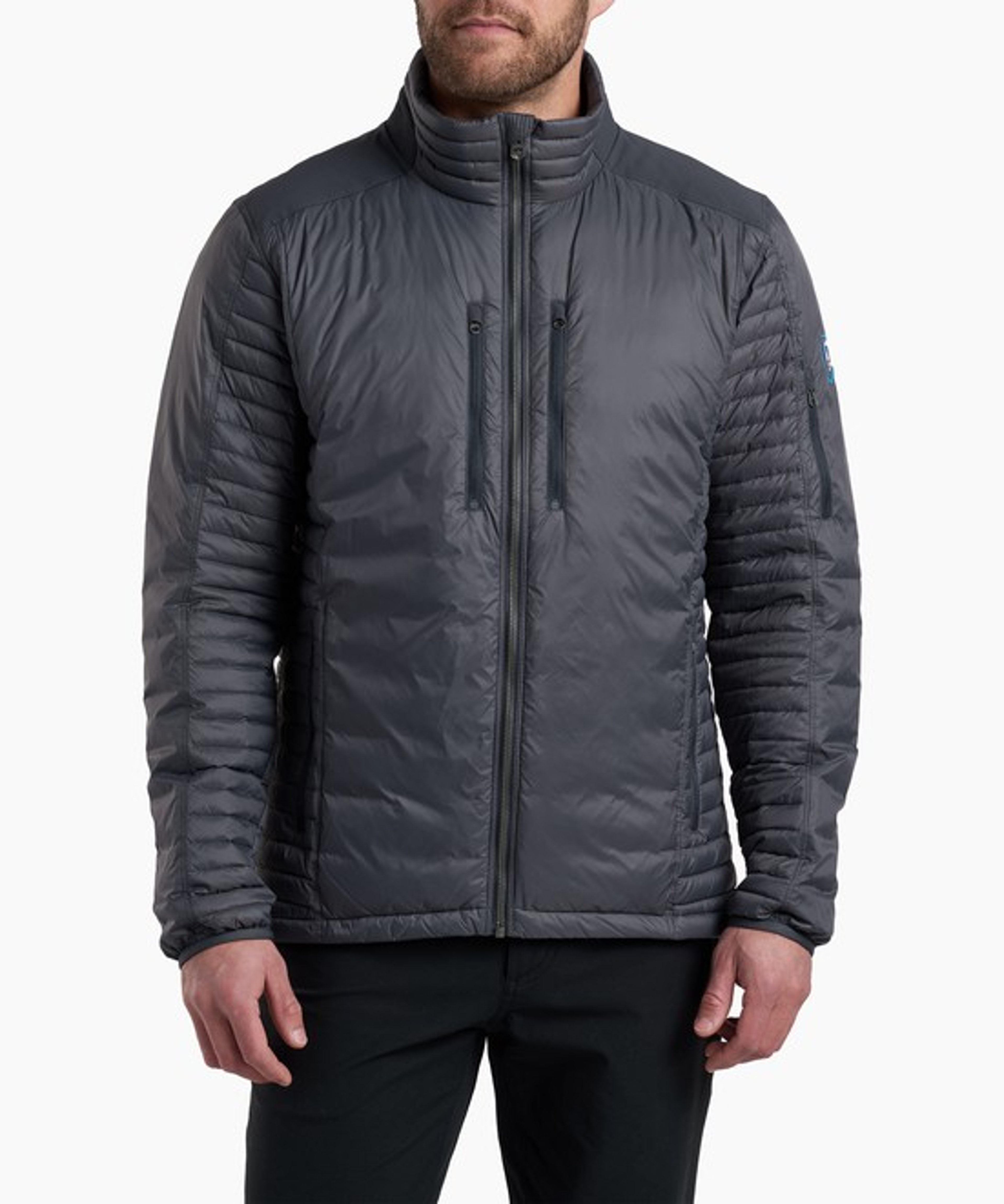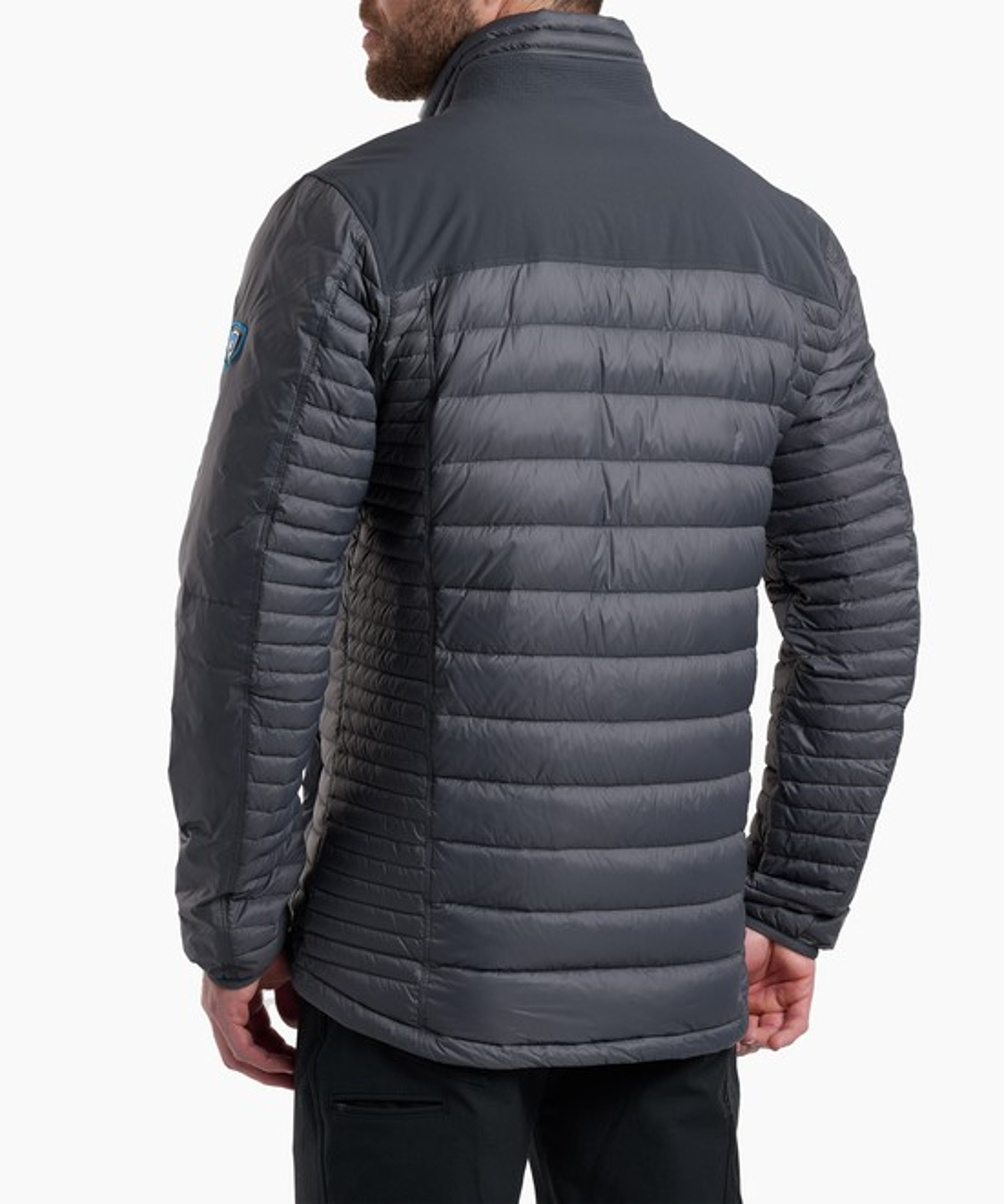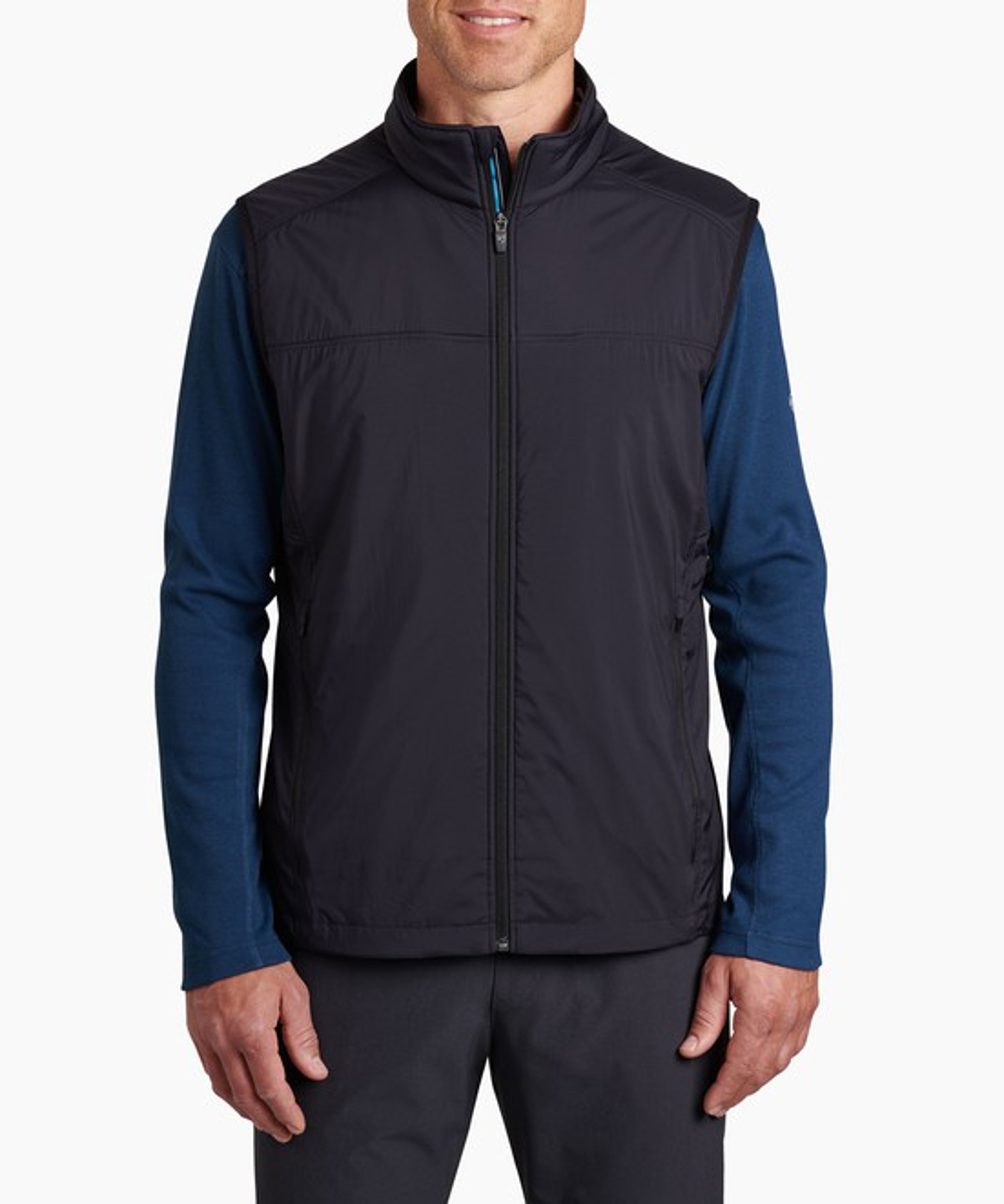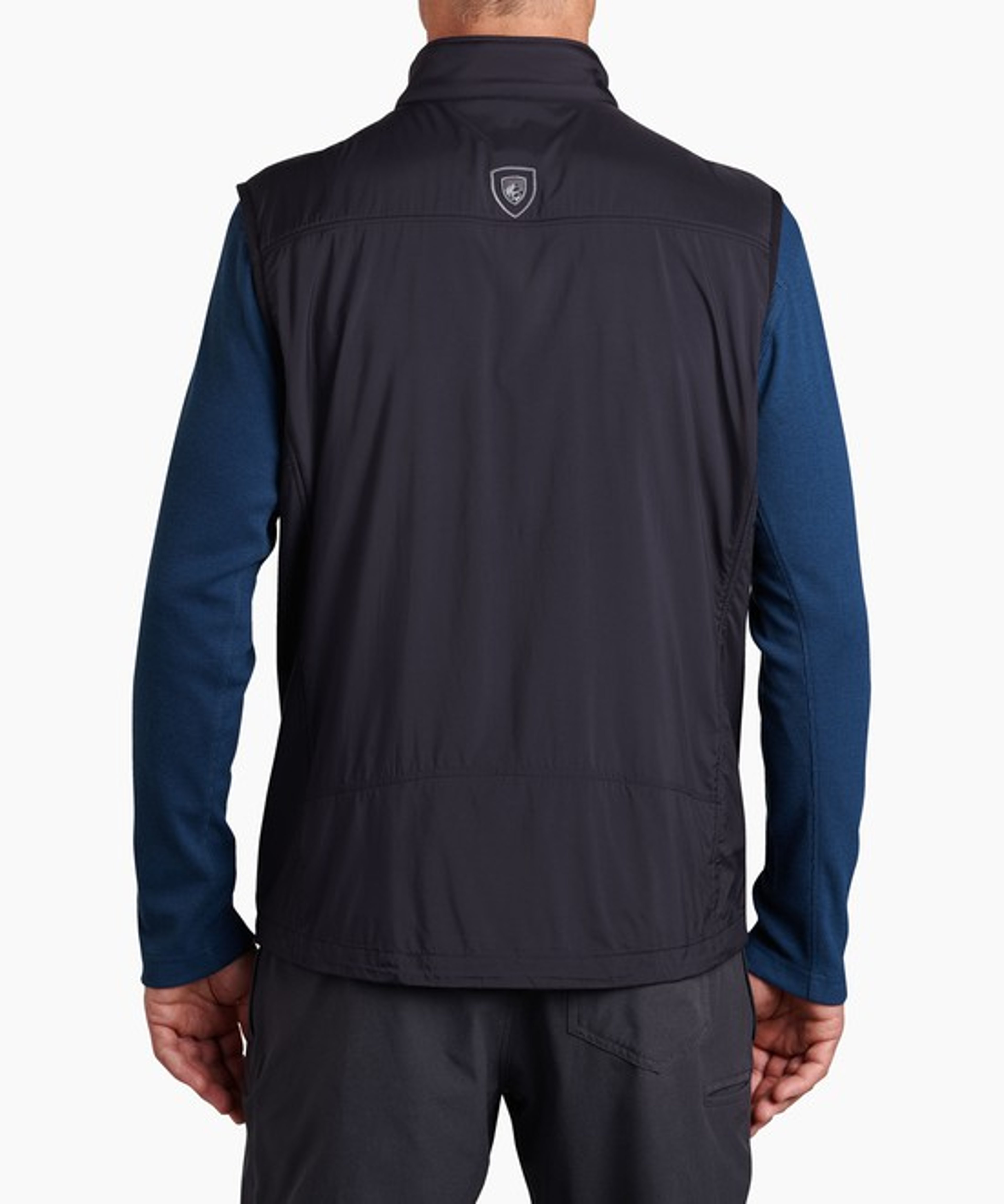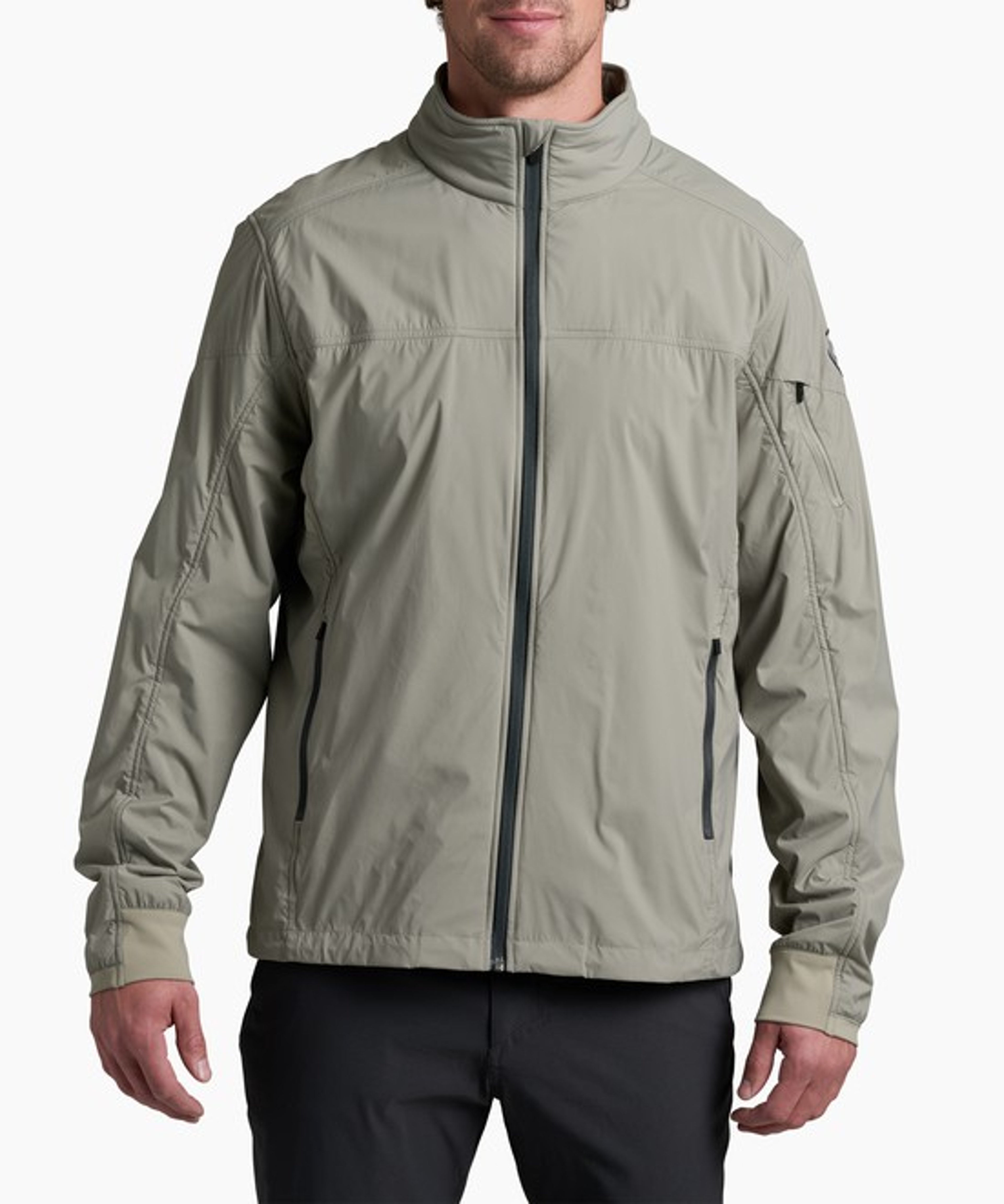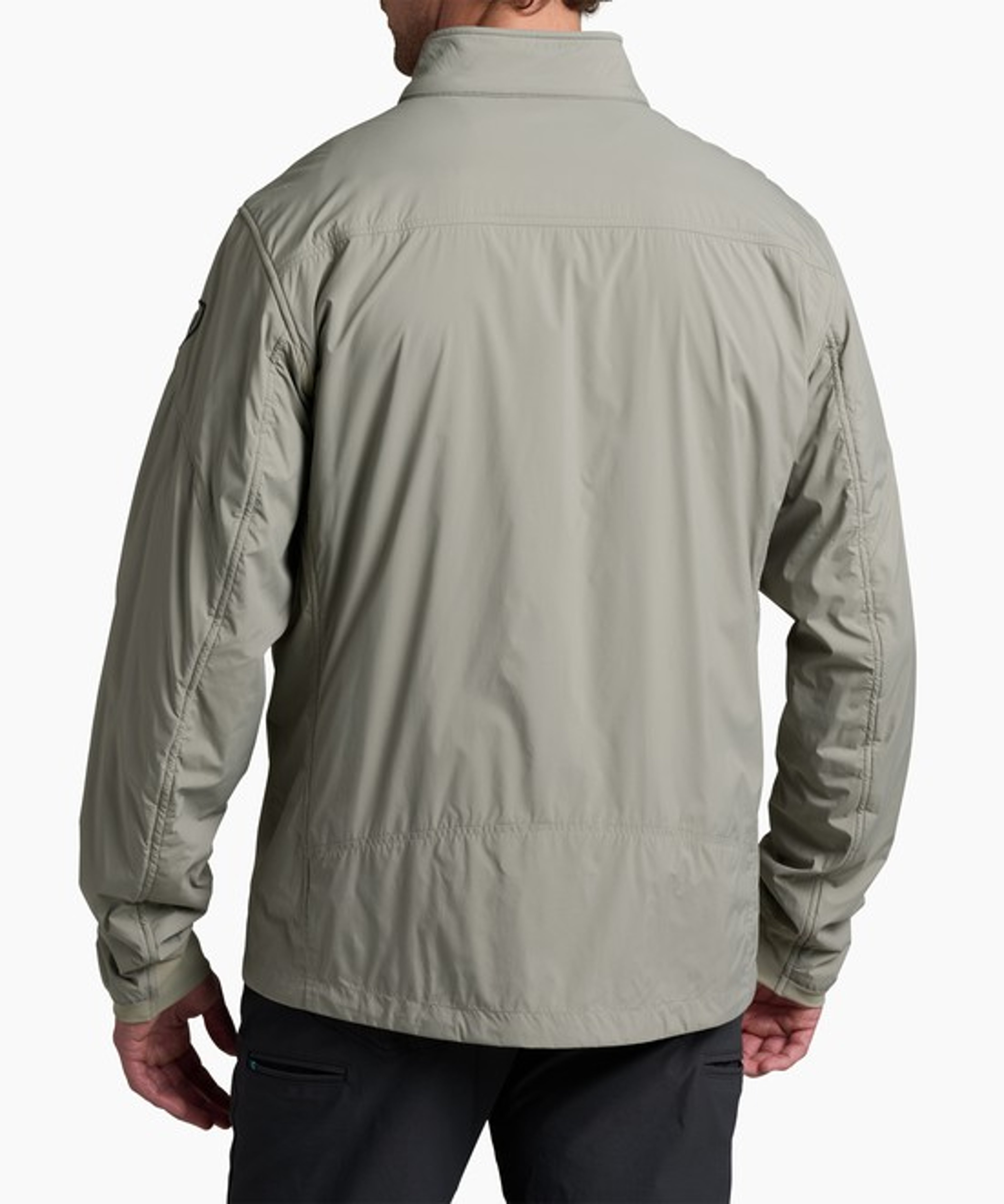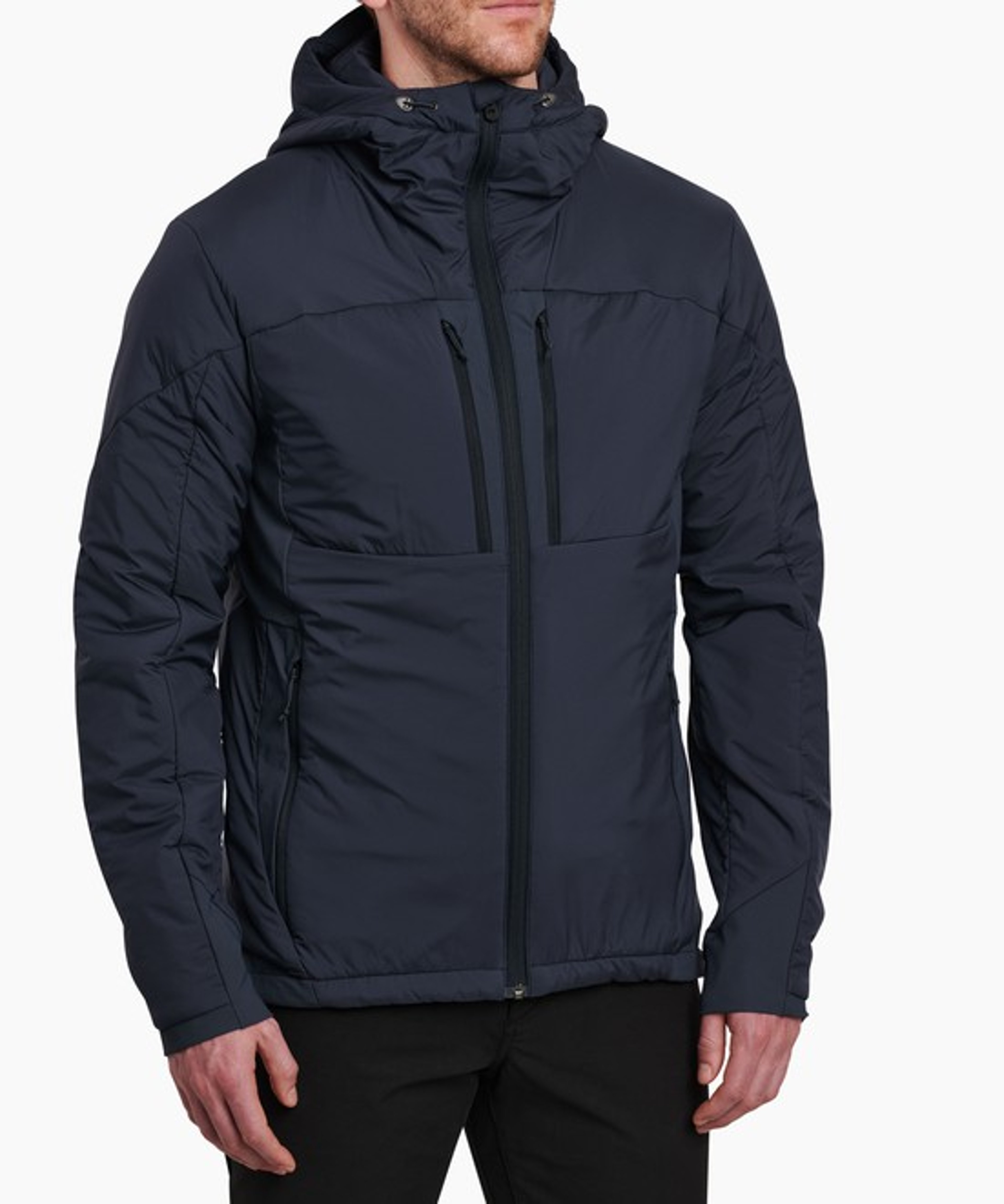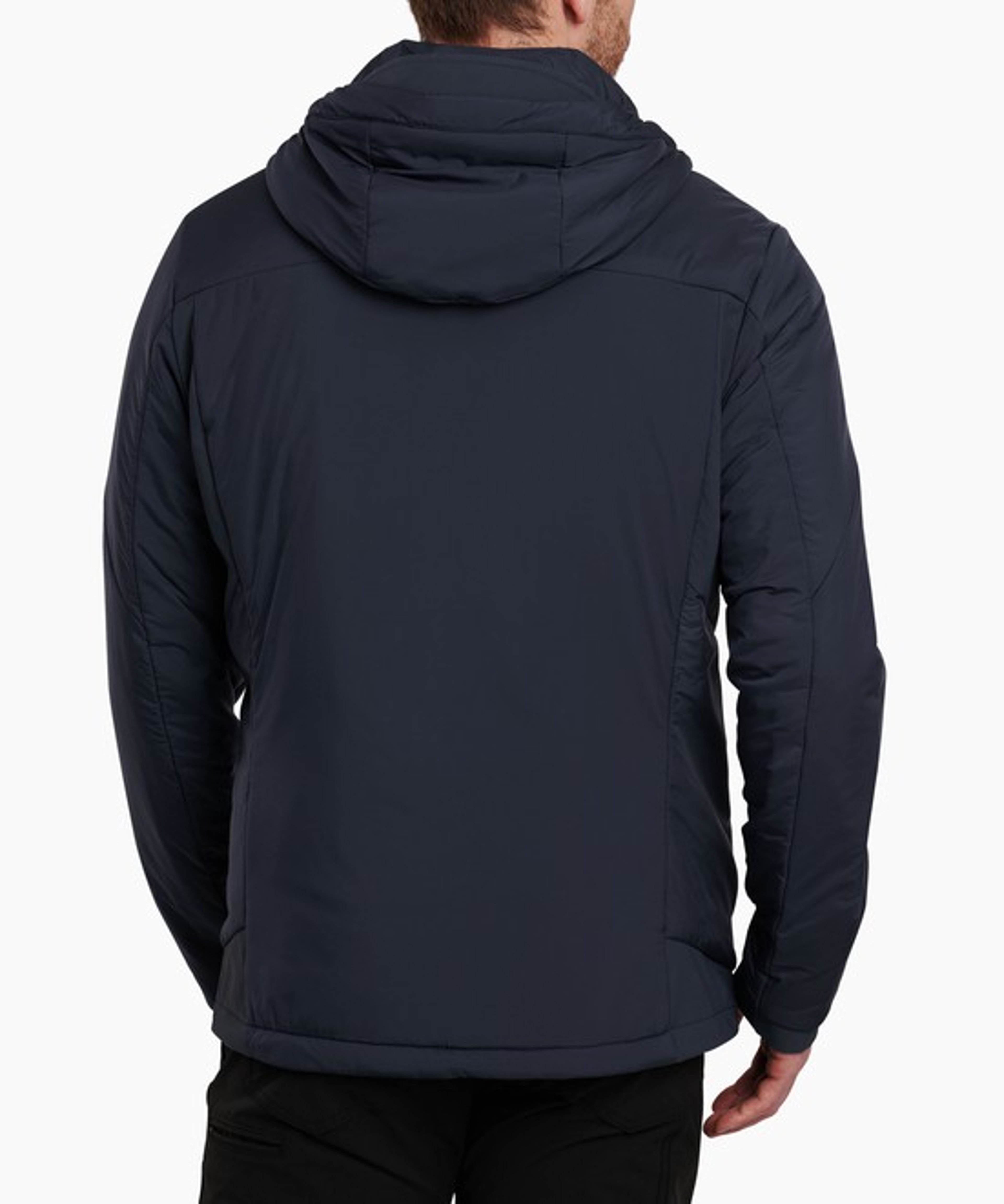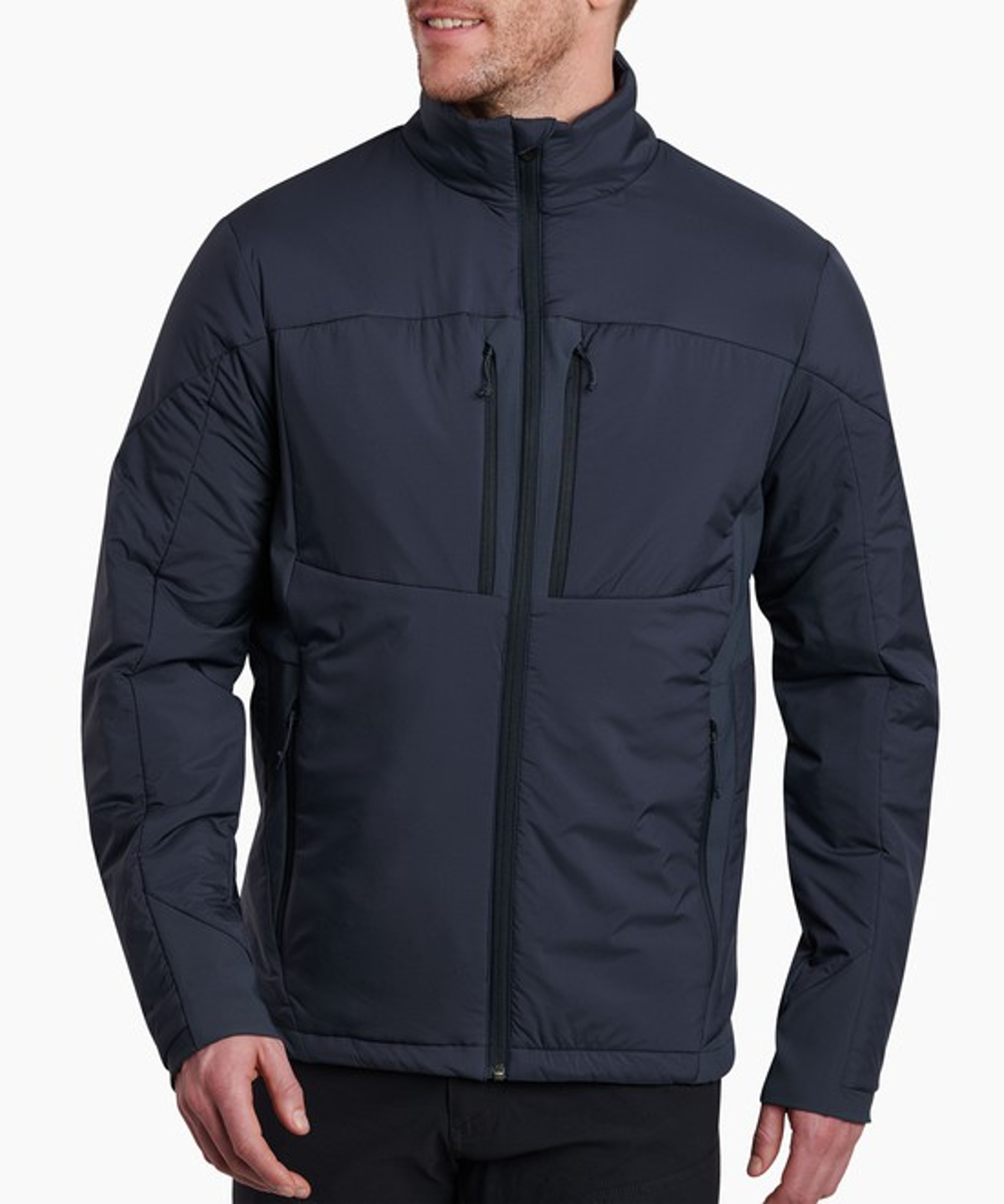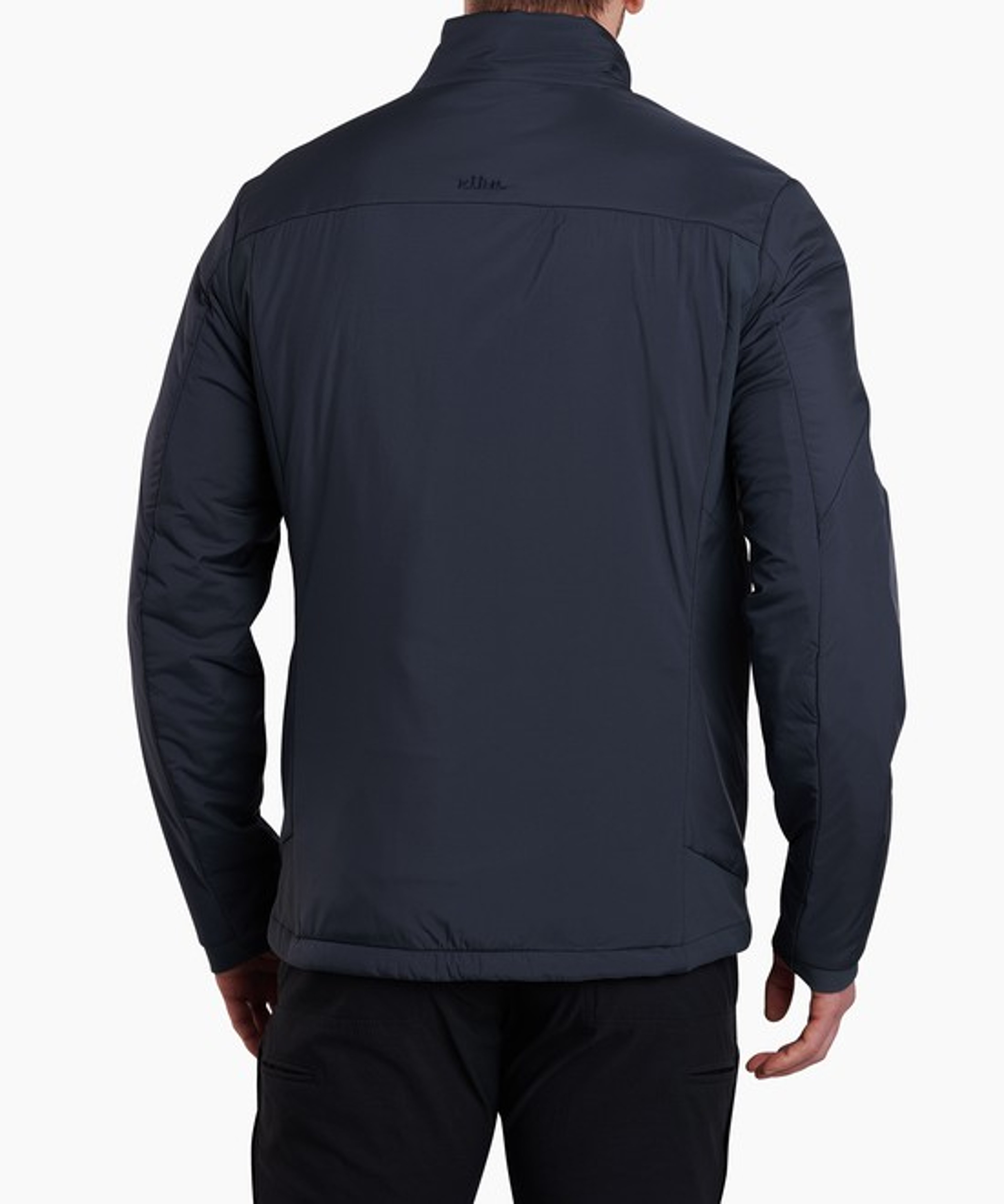








Men's Insulated Jackets
Warm Through the Cold Snap in KÜHL Men's Insulated Jackets
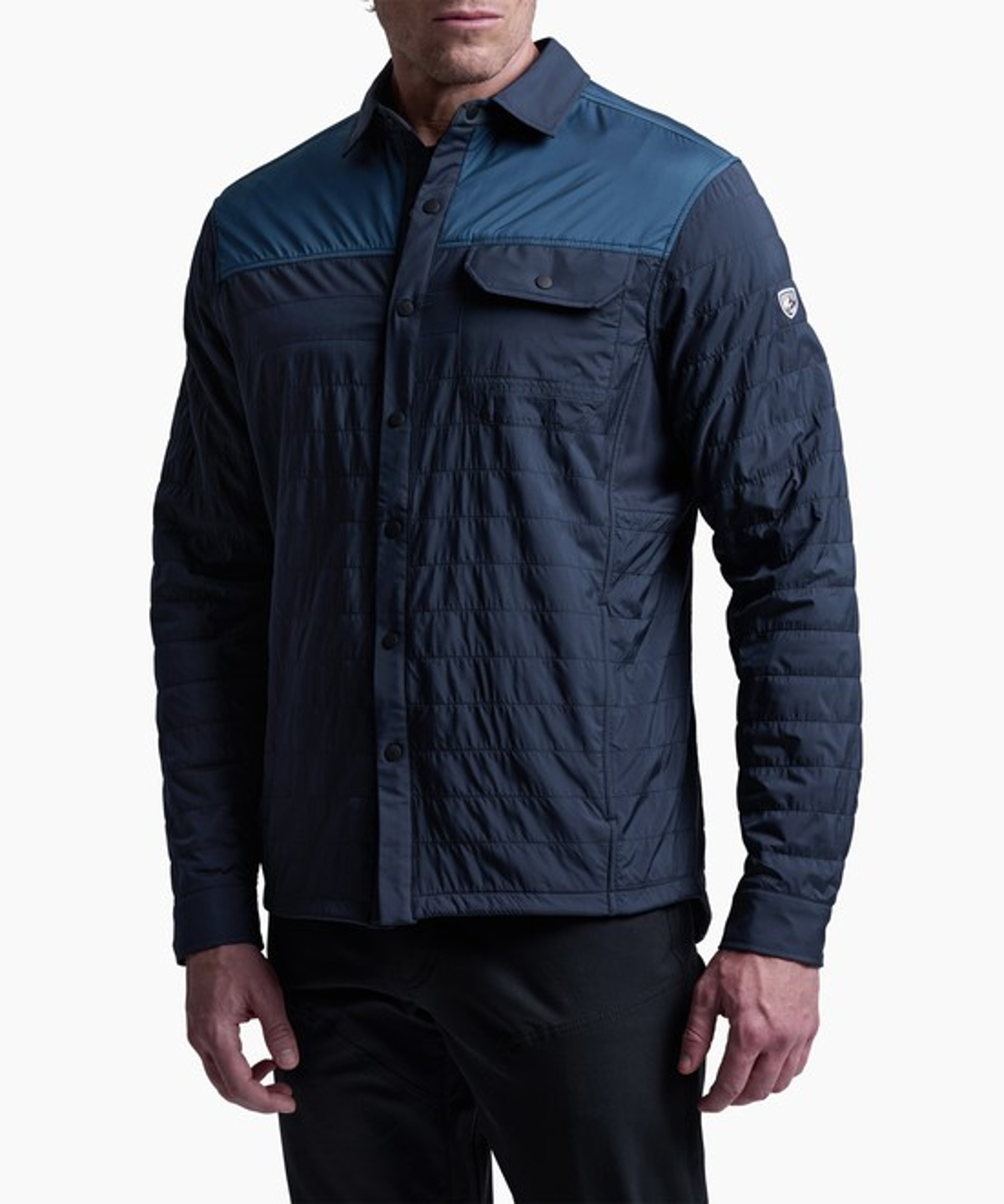
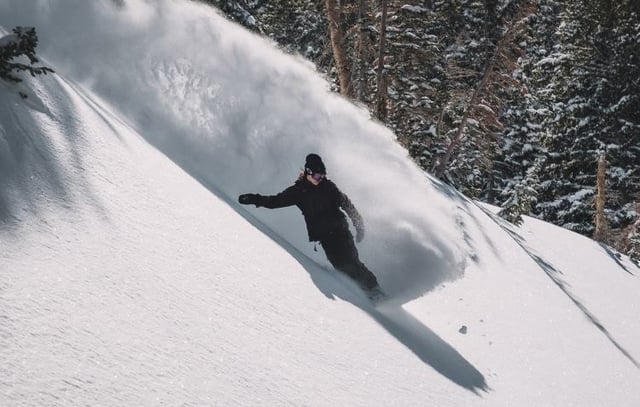
Whether you're skinning up a ridge at dawn or making the dog-walk loop in single digits, men's insulated jackets are built to hold heat where you need it and dump it where you don't.
Choose from a variety of fabrics, styles, and features for the men's insulated jackets that are right for you:
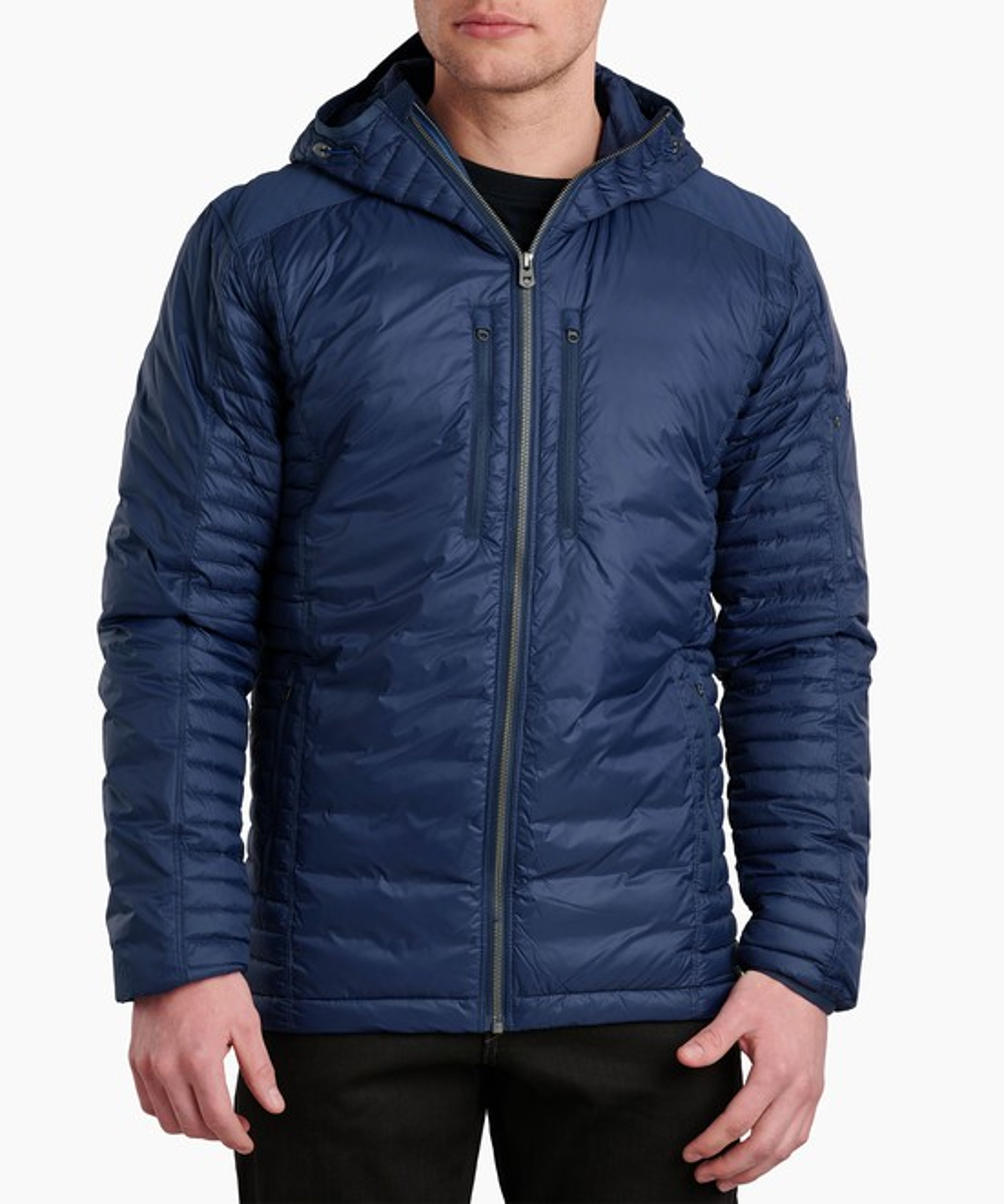
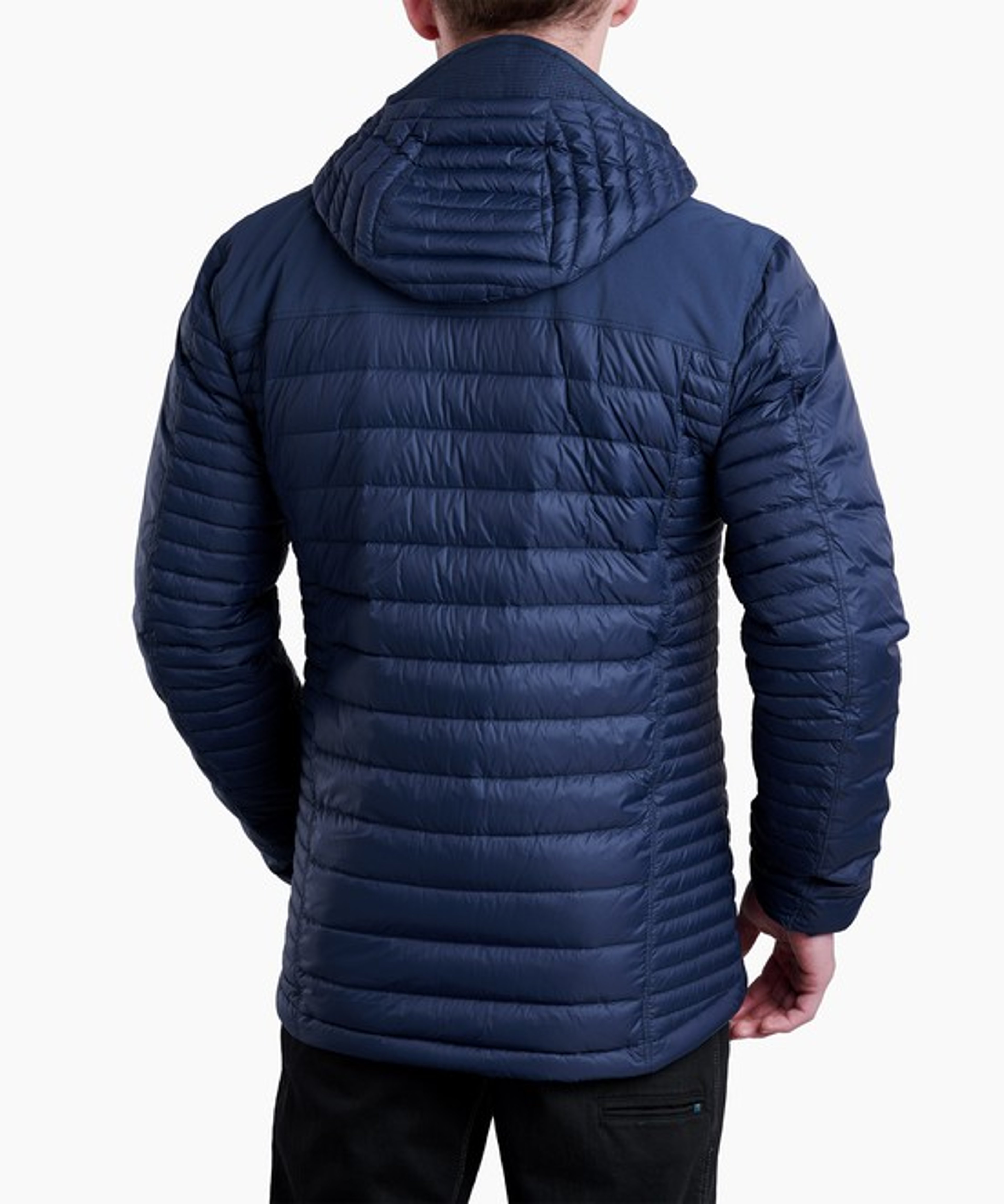
Down-Insulated Warmth. RDS-certified goose down delivers the best warmth-to-weight ratio in the lineup. Thermal body mapping puts more fill at the core and less in the heat-producing zones, so you stay warm without overheating on the climb. Reinforced shoulders shrug off pack straps and gear-carry abrasion.
Synthetic Insulation for Damp Days. When the forecast is wet or the effort is high, synthetic fill keeps insulating even when it gets damp, and dries faster than down once you stop. Pair it with a men's rain shell when the sky opens, or wear it solo under tree cover.
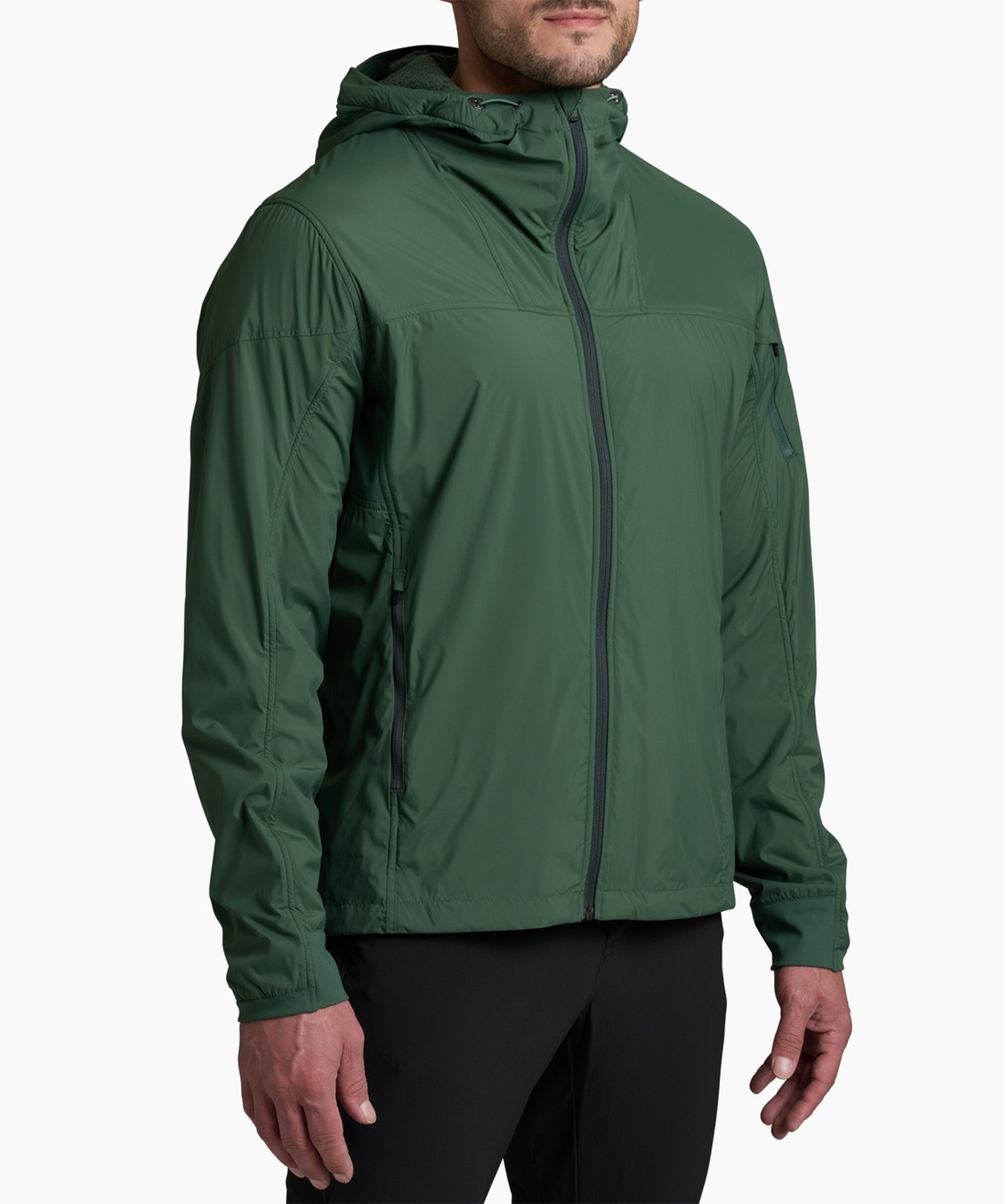
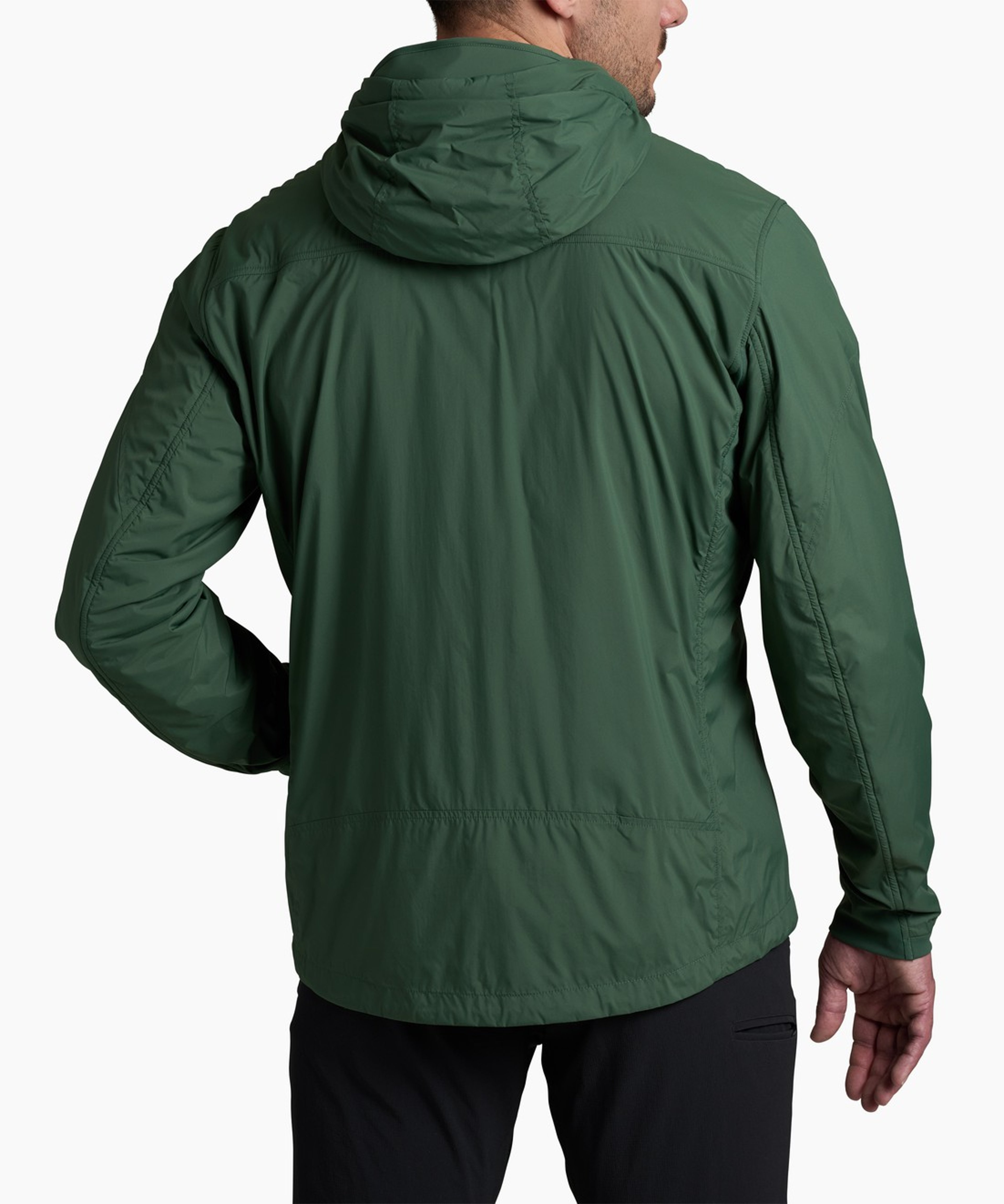
Hybrid Softshell Performance. Some pieces blend a softshell face with a knit underarm gusset for stretch and ventilation, splitting the difference between an insulator and a men's softshell. Windproof yet breathable, water-resistant with stretch. These are the do-everything pieces for shoulder-season days that swing thirty degrees by lunch.
Layering Construction. A trim-but-not-tight cut leaves room for a baselayer and a midweight men's fleece underneath without binding the shoulders. Articulated sleeves and underarm gussets keep range-of-motion clean when you're reaching, climbing, or swinging an axe.
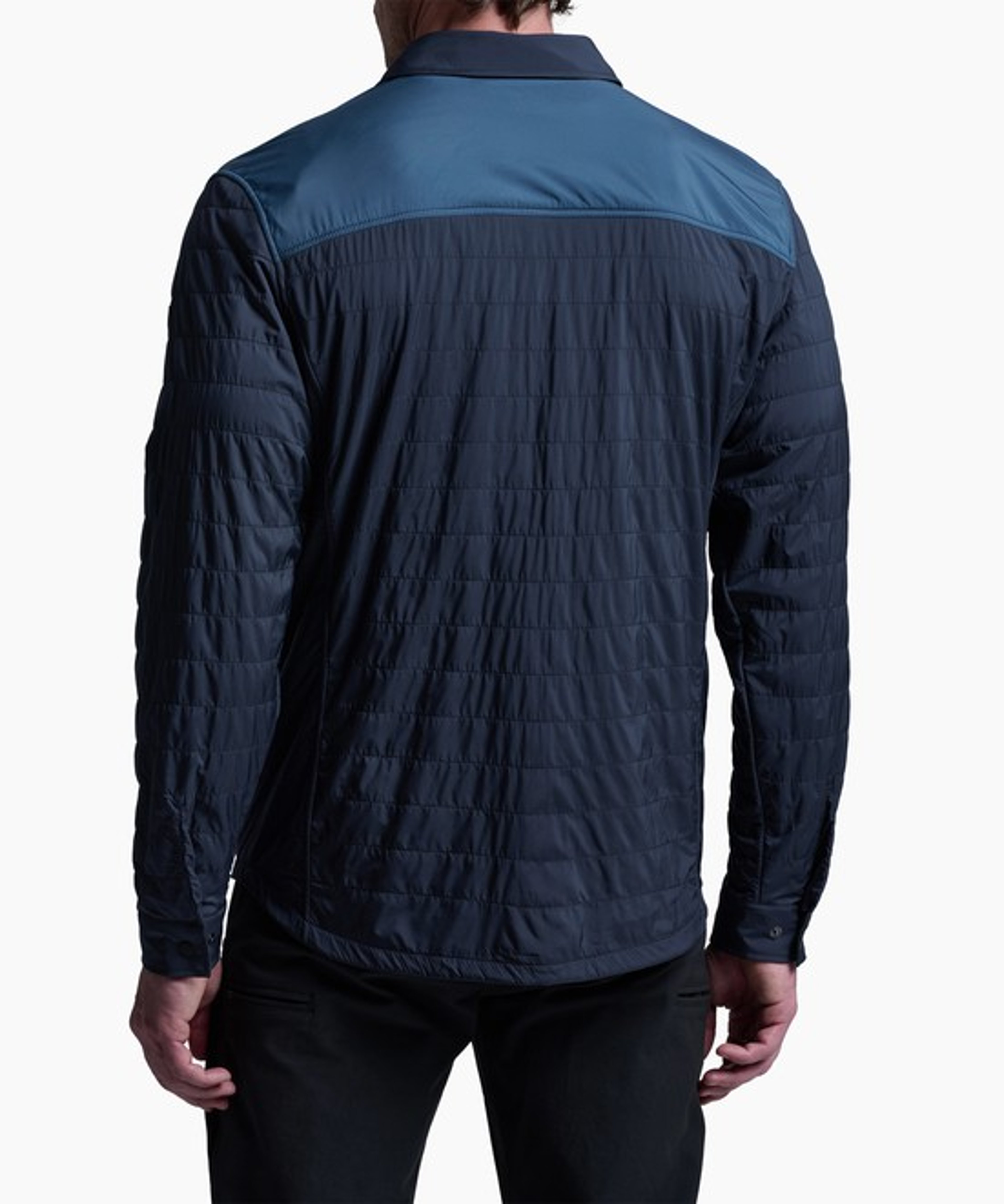
Look for signature touches like reinforced shoulders for pack-carry durability, temperature-regulating underarm gussets that release excess heat, a brushed interior on hand pockets, and a water-resistant ripstop face fabric with a DWR finish that beads off light moisture.
Whether you're skinning up a ridge at dawn or making the dog-walk loop in single digits, men's insulated jackets are built to hold heat where you need it and dump it where you don't.
Choose from a variety of fabrics, styles, and features for the men's insulated jackets that are right for you:
Down-Insulated Warmth. RDS-certified goose down delivers the best warmth-to-weight ratio in the lineup. Thermal body mapping puts more fill at the core and less in the heat-producing zones, so you stay warm without overheating on the climb. Reinforced shoulders shrug off pack straps and gear-carry abrasion.
Synthetic Insulation for Damp Days. When the forecast is wet or the effort is high, synthetic fill keeps insulating even when it gets damp, and dries faster than down once you stop. Pair it with a men's rain shell when the sky opens, or wear it solo under tree cover.
Hybrid Softshell Performance. Some pieces blend a softshell face with a knit underarm gusset for stretch and ventilation, splitting the difference between an insulator and a men's softshell. Windproof yet breathable, water-resistant with stretch. These are the do-everything pieces for shoulder-season days that swing thirty degrees by lunch.
Layering Construction. A trim-but-not-tight cut leaves room for a baselayer and a midweight men's fleece underneath without binding the shoulders. Articulated sleeves and underarm gussets keep range-of-motion clean when you're reaching, climbing, or swinging an axe.
Look for signature touches like reinforced shoulders for pack-carry durability, temperature-regulating underarm gussets that release excess heat, a brushed interior on hand pockets, and a water-resistant ripstop face fabric with a DWR finish that beads off light moisture.
Buyer's-guide answers on choosing a men's insulated jacket: down vs synthetic, shell types, fit for layering, and which features matter on the trail.
What should you look for in men's insulated jackets?
The best insulated jackets balance warmth, weather protection, breathability, and layering compatibility. Pick a clear insulation type (down or synthetic), a face fabric with a DWR finish, articulated sleeves for reach, and a fit that leaves room for a baselayer underneath. Pit gussets or vents matter if you'll work up a sweat on the climb.
What's the difference between a hardshell, softshell, and insulated jacket?
A hardshell is a fully waterproof, non-insulated rain layer. A softshell is wind-resistant and stretchy with light water repellency but no membrane. An insulated jacket adds warmth via down or synthetic fill. Hardshells go over everything in sustained rain. Softshells own active, dry-cold days. Insulated jackets are the mid-layer or standalone warmth piece.
How do you choose between down and synthetic insulation?
Down wins on warmth-to-weight and packability. Synthetic wins when it's wet. Choose down for cold, dry conditions and weight-conscious trips. Choose synthetic when humidity, sweat, or rain are in play, since it keeps insulating when damp and dries faster after a soak. RDS-certified down is the responsibly sourced standard to look for.
Are insulated jackets waterproof or just water-resistant?
Most insulated jackets are water-resistant, not waterproof. A DWR finish sheds light snow and brief drizzle, but sustained rain will eventually wet out the face fabric and soak the insulation. For real downpours, layer a hardshell from our men's outerwear collection over the top. Look for taped seams and a membrane if you need true waterproofing.
How should an insulated jacket fit for layering?
It should sit close enough to trap warmth but leave room for a baselayer and a midweight layer underneath without pulling at the shoulders or pinching the underarms. Sleeves should reach past the wrist with arms raised, the hem should cover the waistband, and a helmet-compatible hood should rotate with your head, not against it.
What features matter most when hiking or backpacking?
Prioritize pit zips or stretch gussets for venting heat on the climb, pocket placement that clears a hip belt and sternum strap, a packable design that stuffs into its own pocket, and a ripstop face fabric that survives brush and rock. A helmet-compatible adjustable hood and recycled fill with a PFC-free DWR are the marks of a current-generation piece.