



Men's Lightweight Jackets
Move Fast and Light in KÜHL Men's Lightweight Jackets
Choose from a variety of fabrics, styles, and features for the men's lightweight jackets that are right for you:
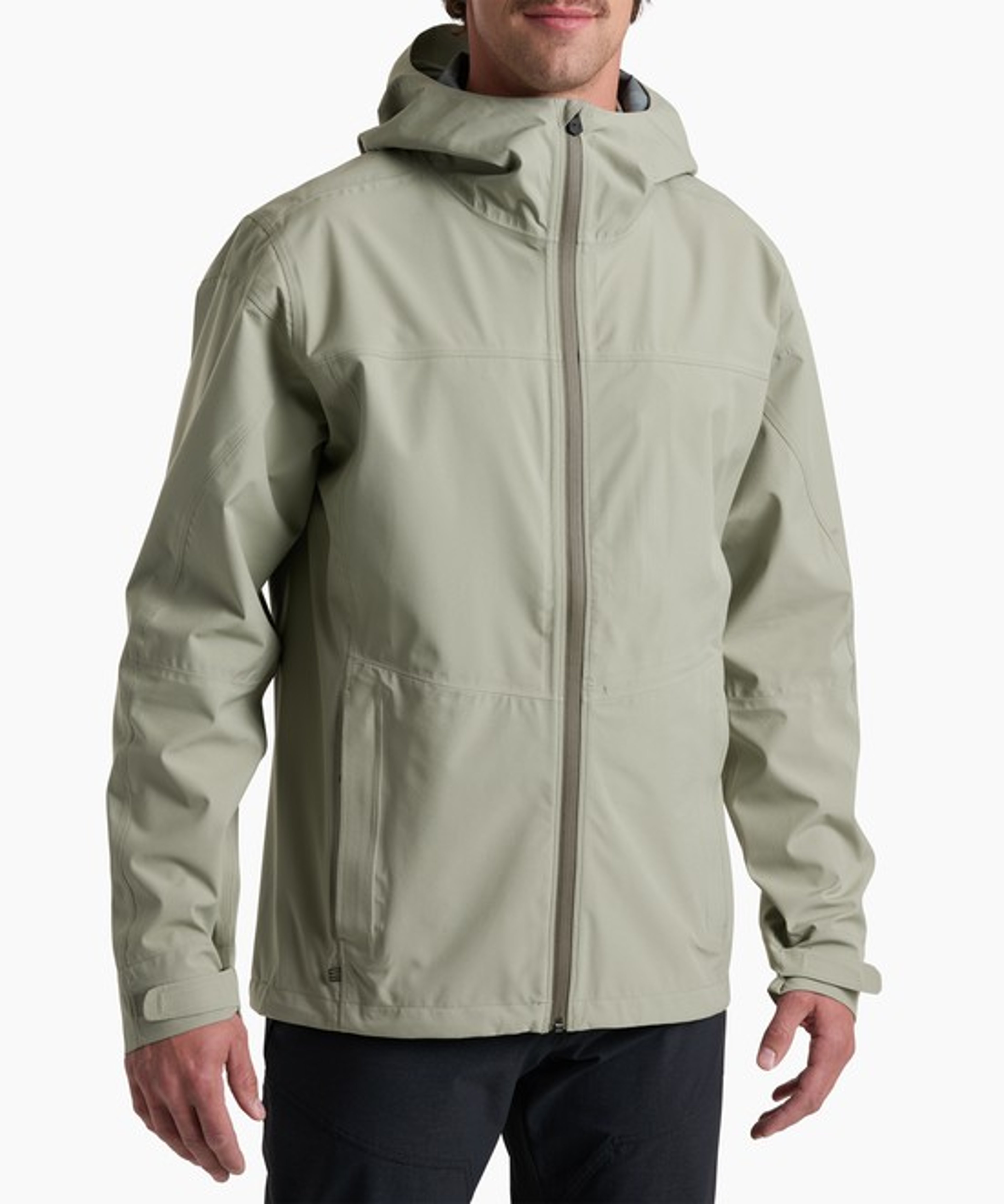
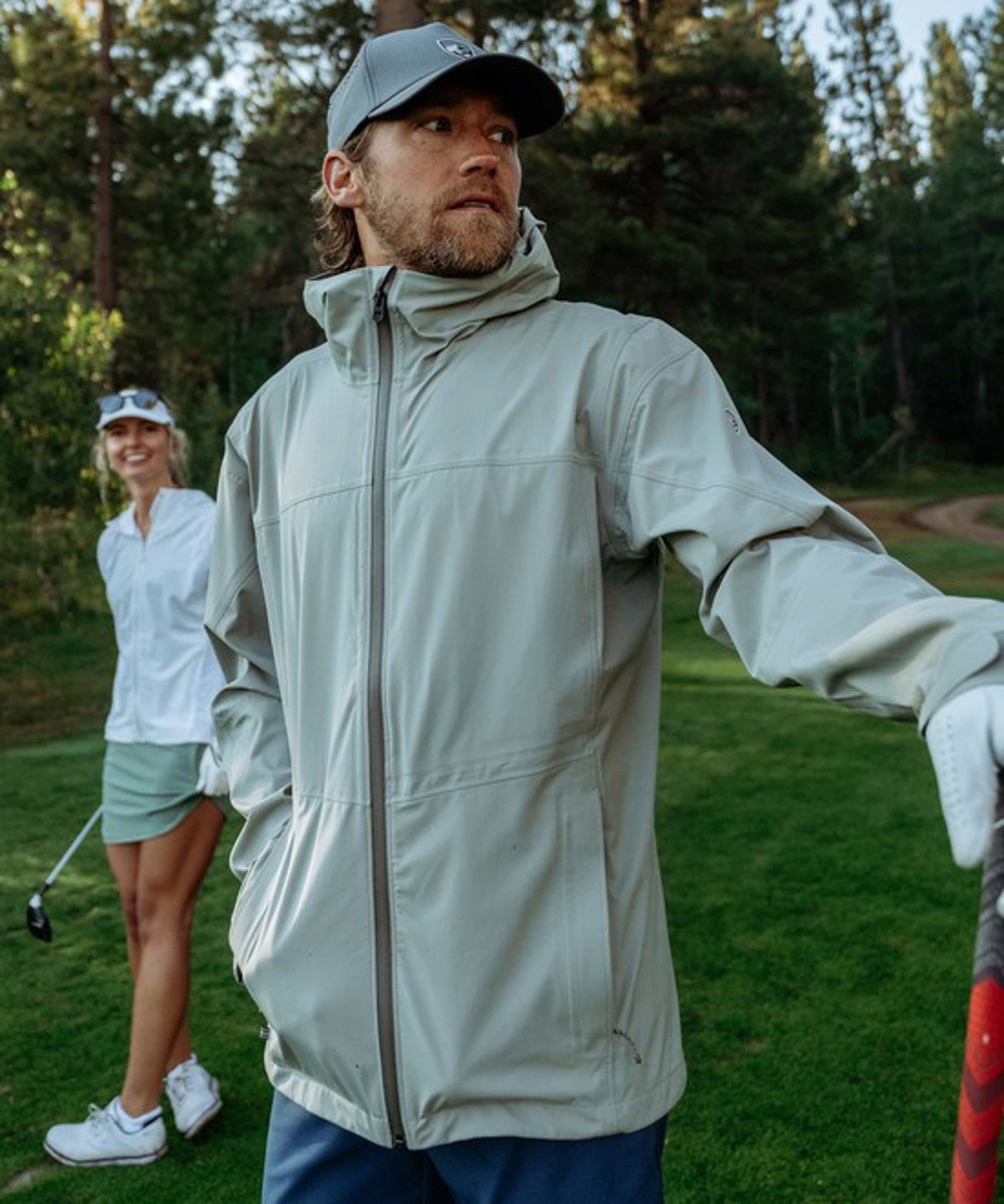
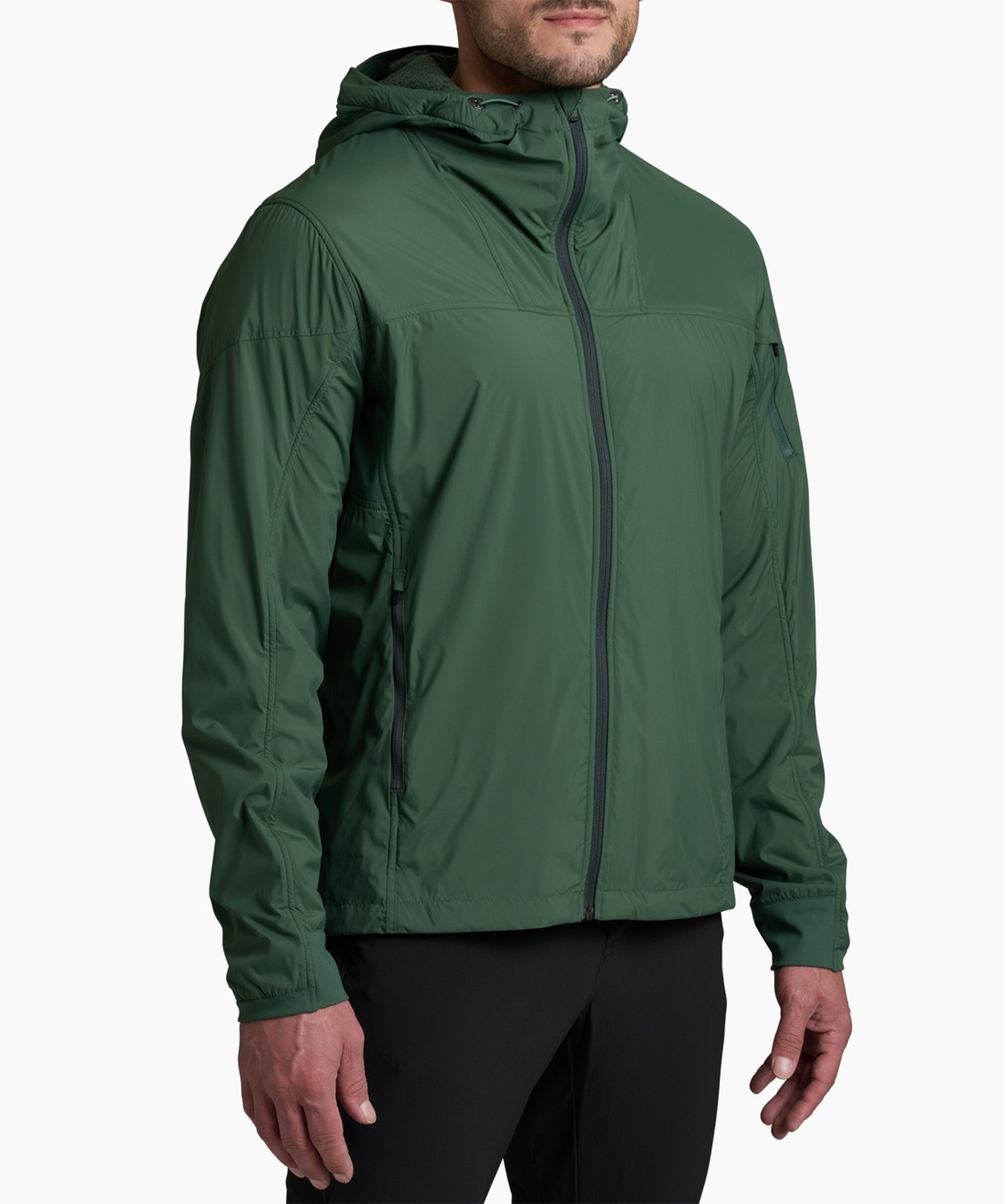
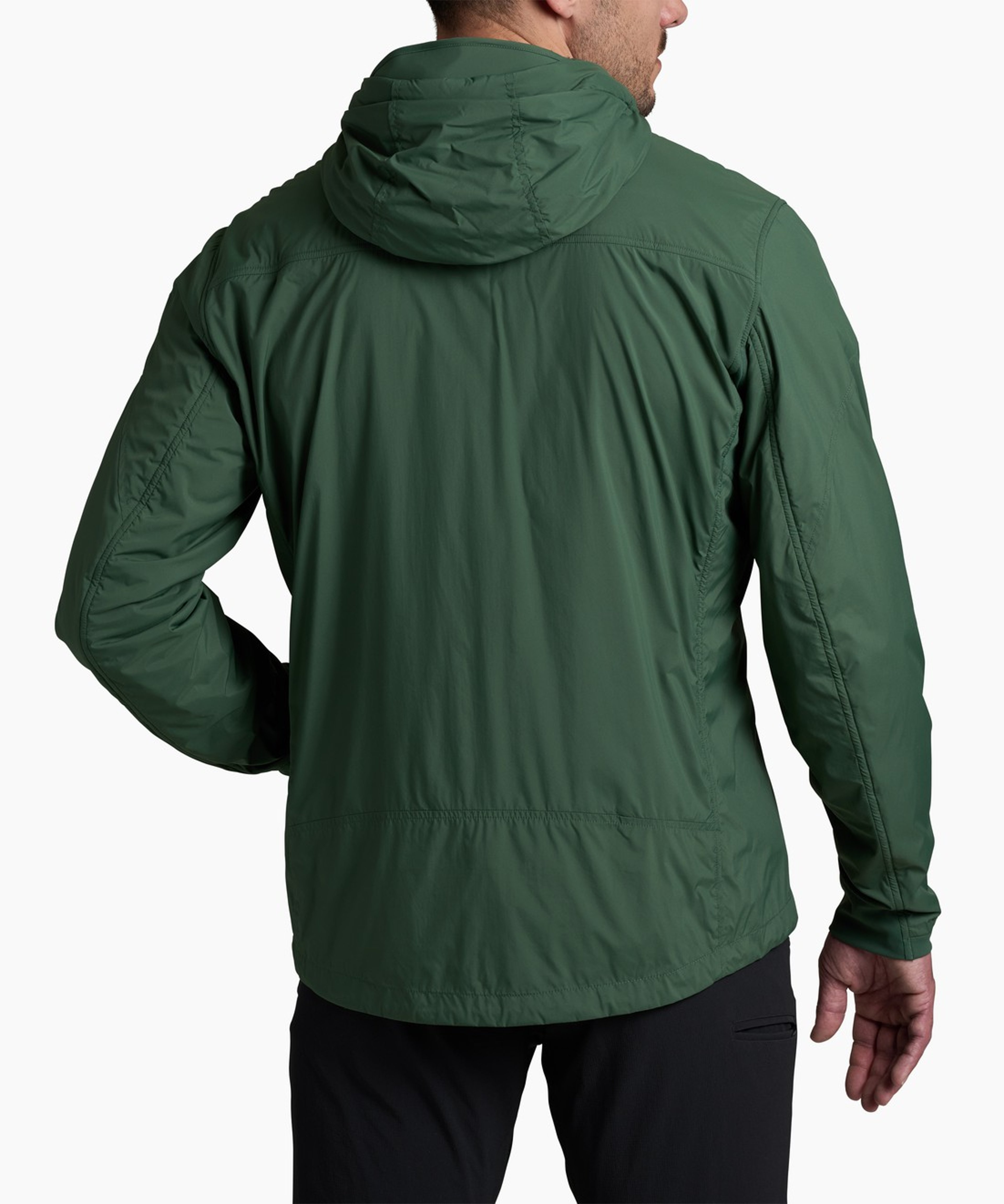
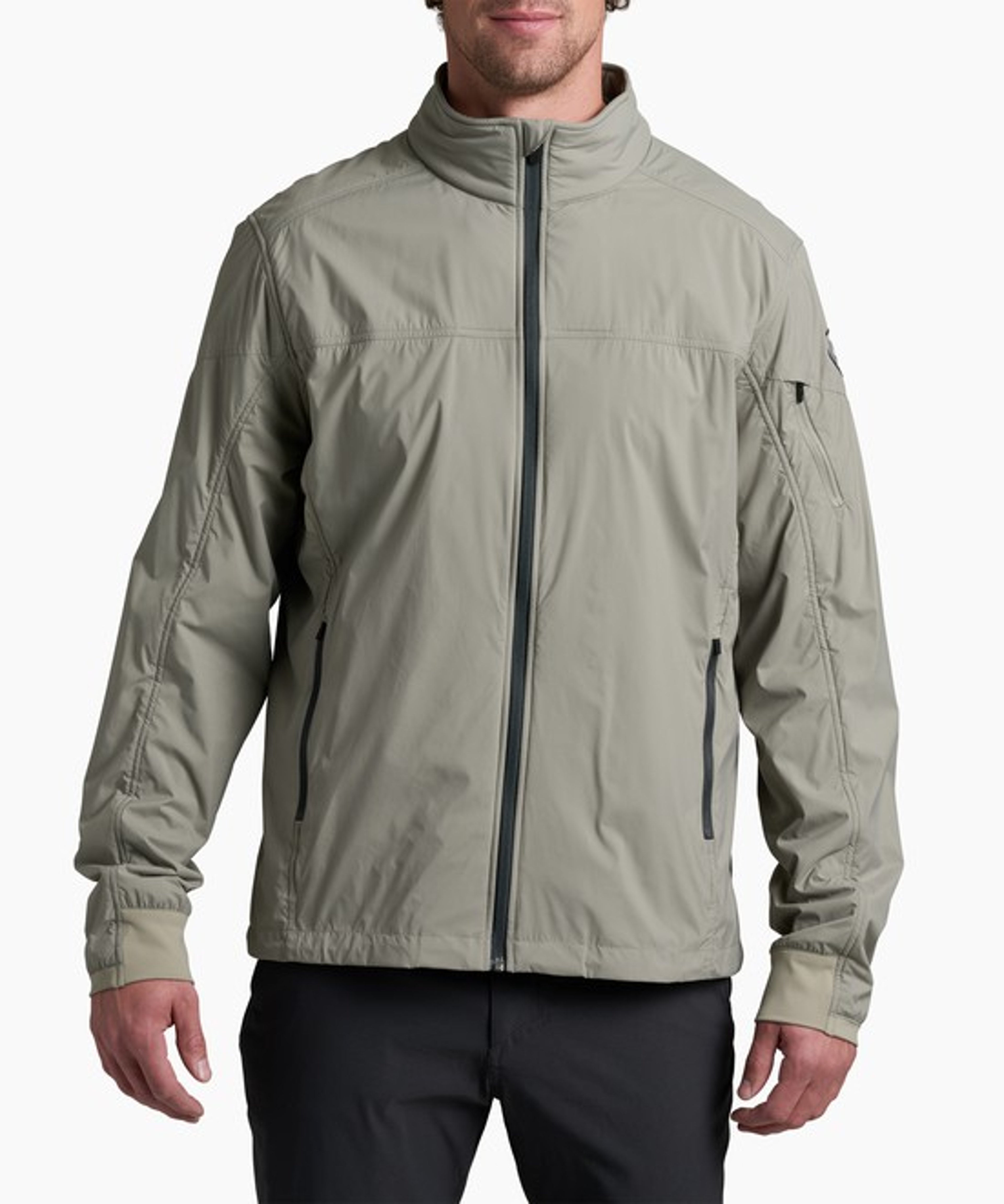
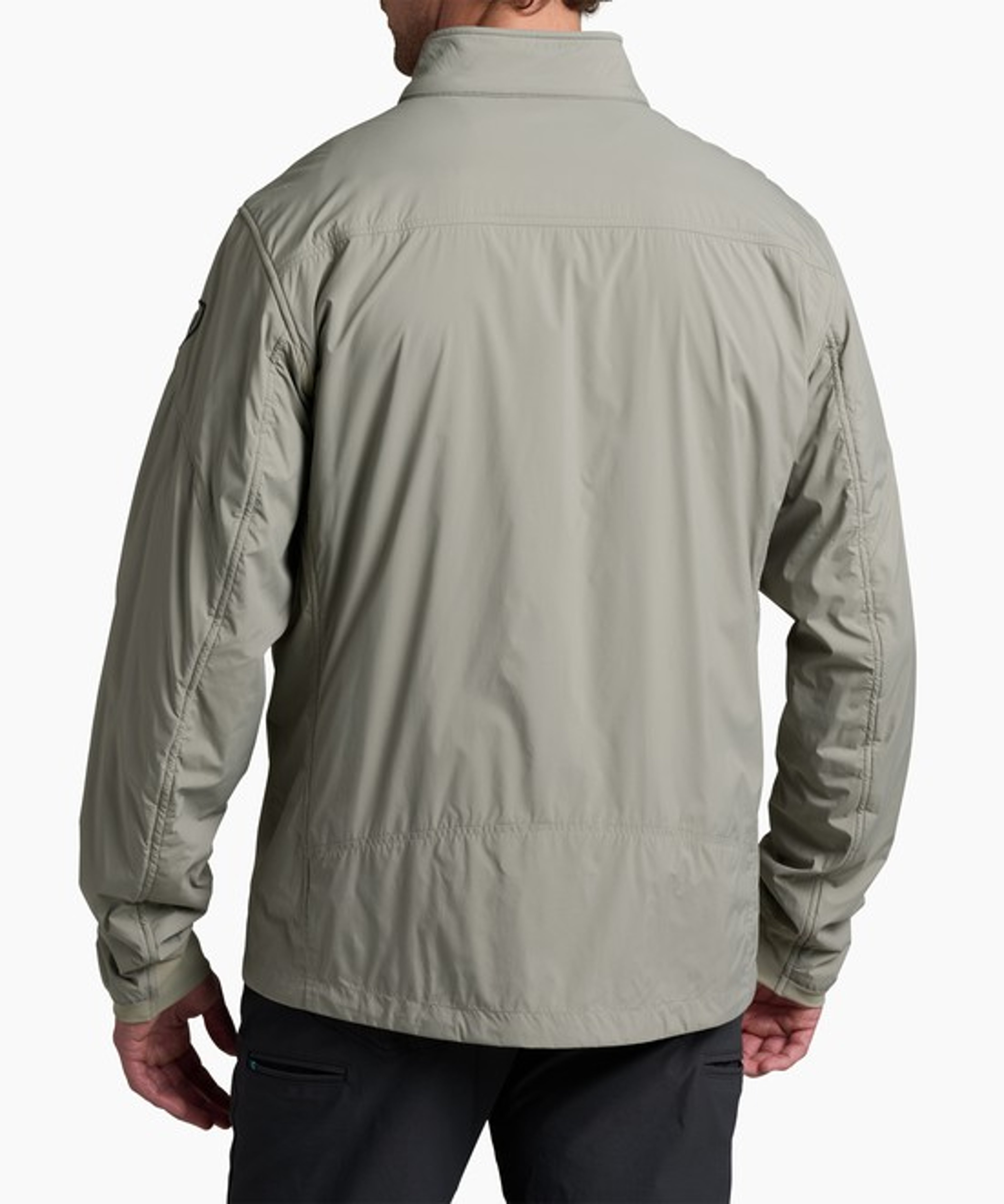
Wind-Cutting Shells. Built for breezy ridgelines and cool trailheads, lightweight shells use a tight nylon ripstop face with a DWR finish to shed wind and light moisture without weighing you down. Most pack down small, so they ride along on every shoulder-season hike whether you wear them or not.
CHIANTI™ Softshell Versatility. When the breeze cuts but the rain holds off, a stretch softshell anchored on CHIANTI™ fabric splits the difference between a hard shell and a fleece. Built with 4-way stretch, a brushed interior, and a quiet hand-feel, it moves with you on the climb and looks at home at the trailhead. Cross-shop the full lineup in our men's softshell jackets collection.
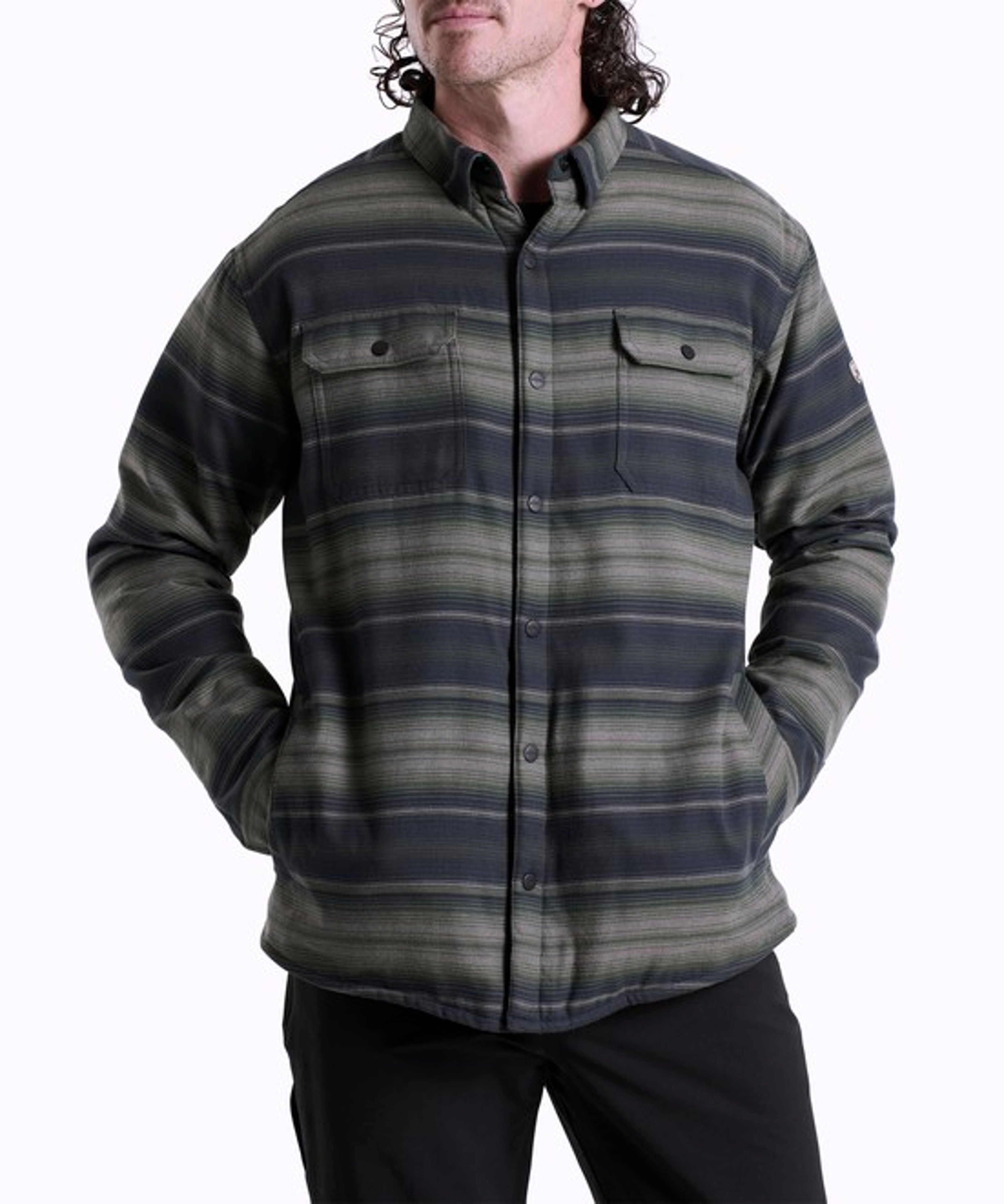
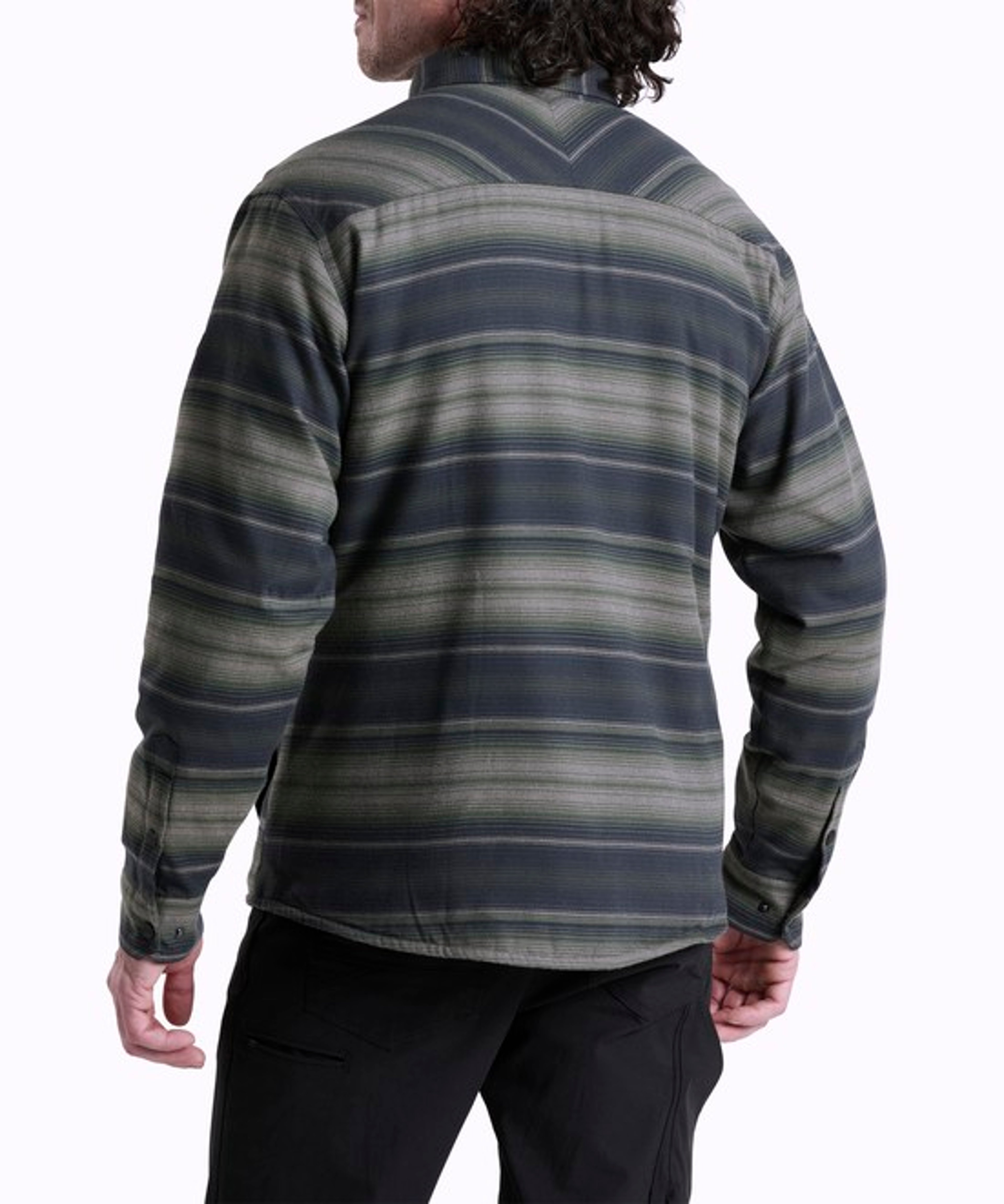
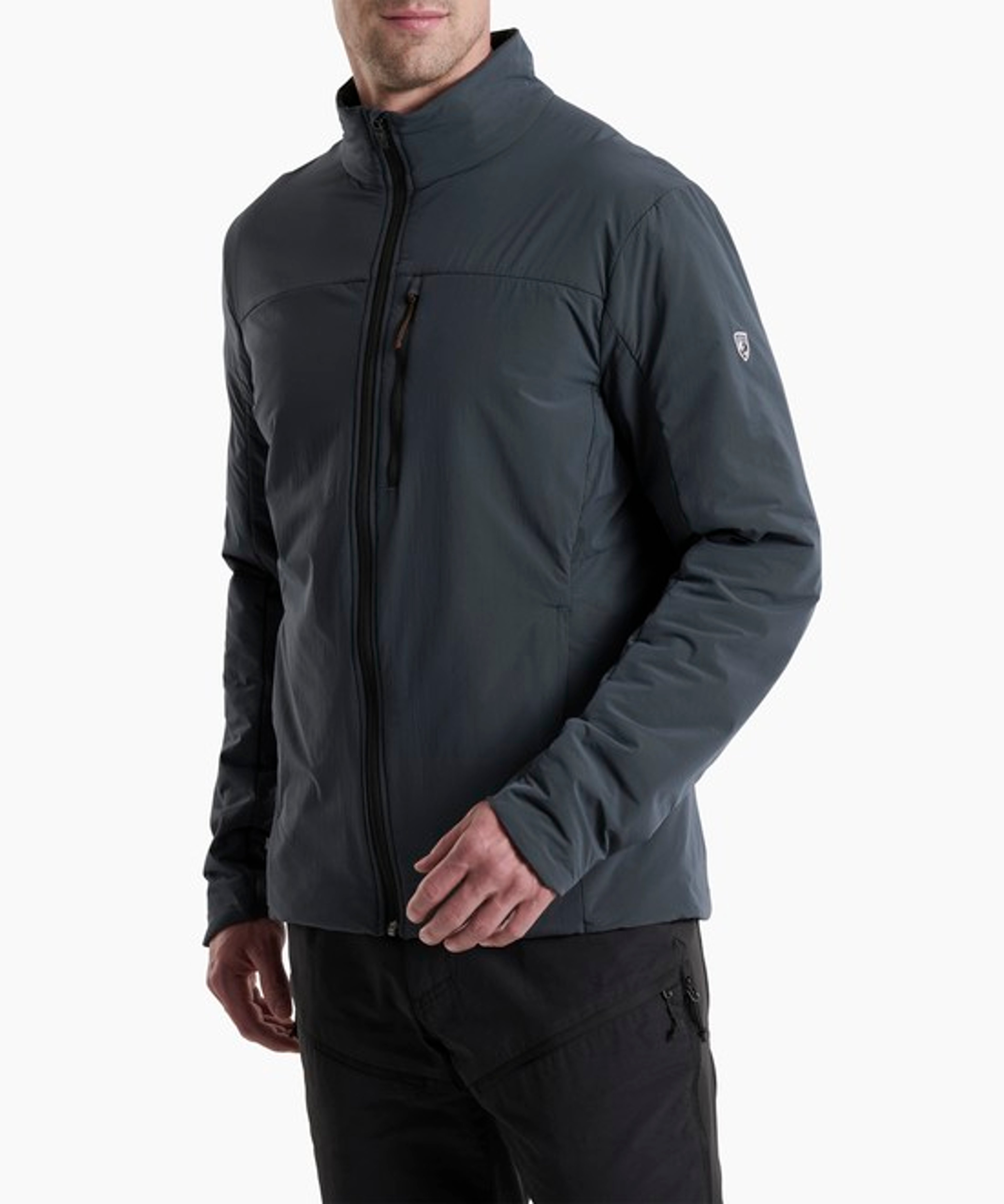
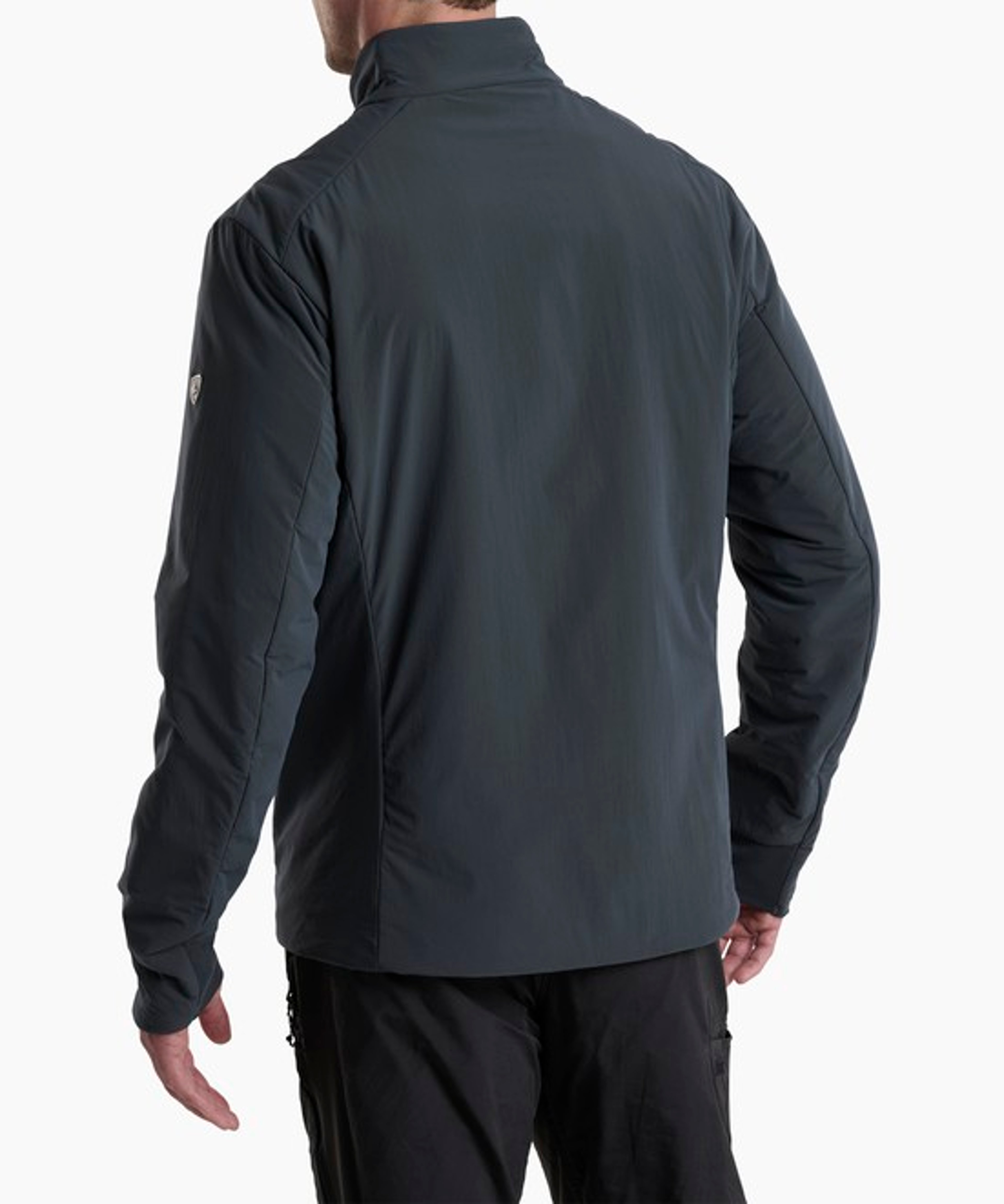
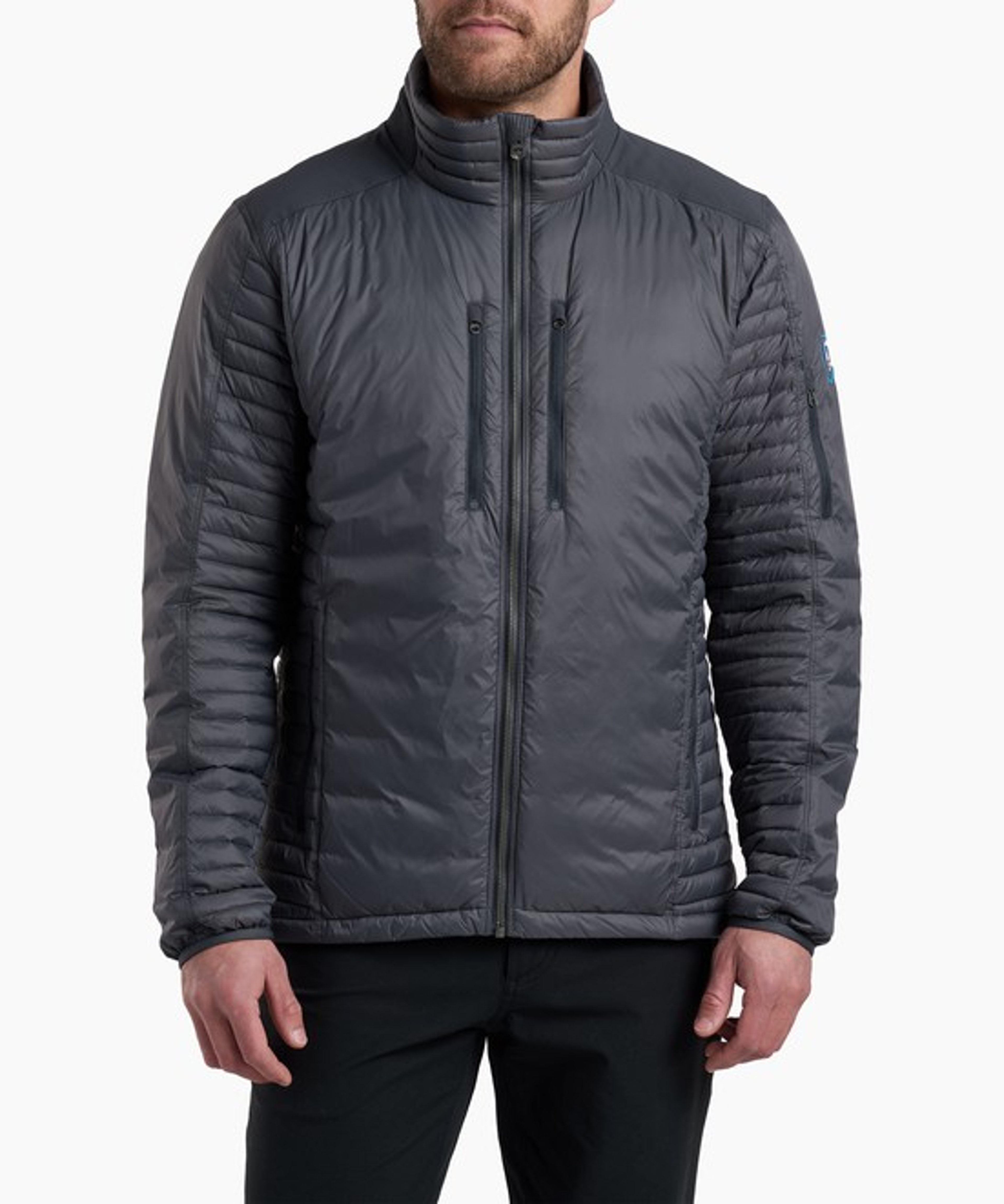
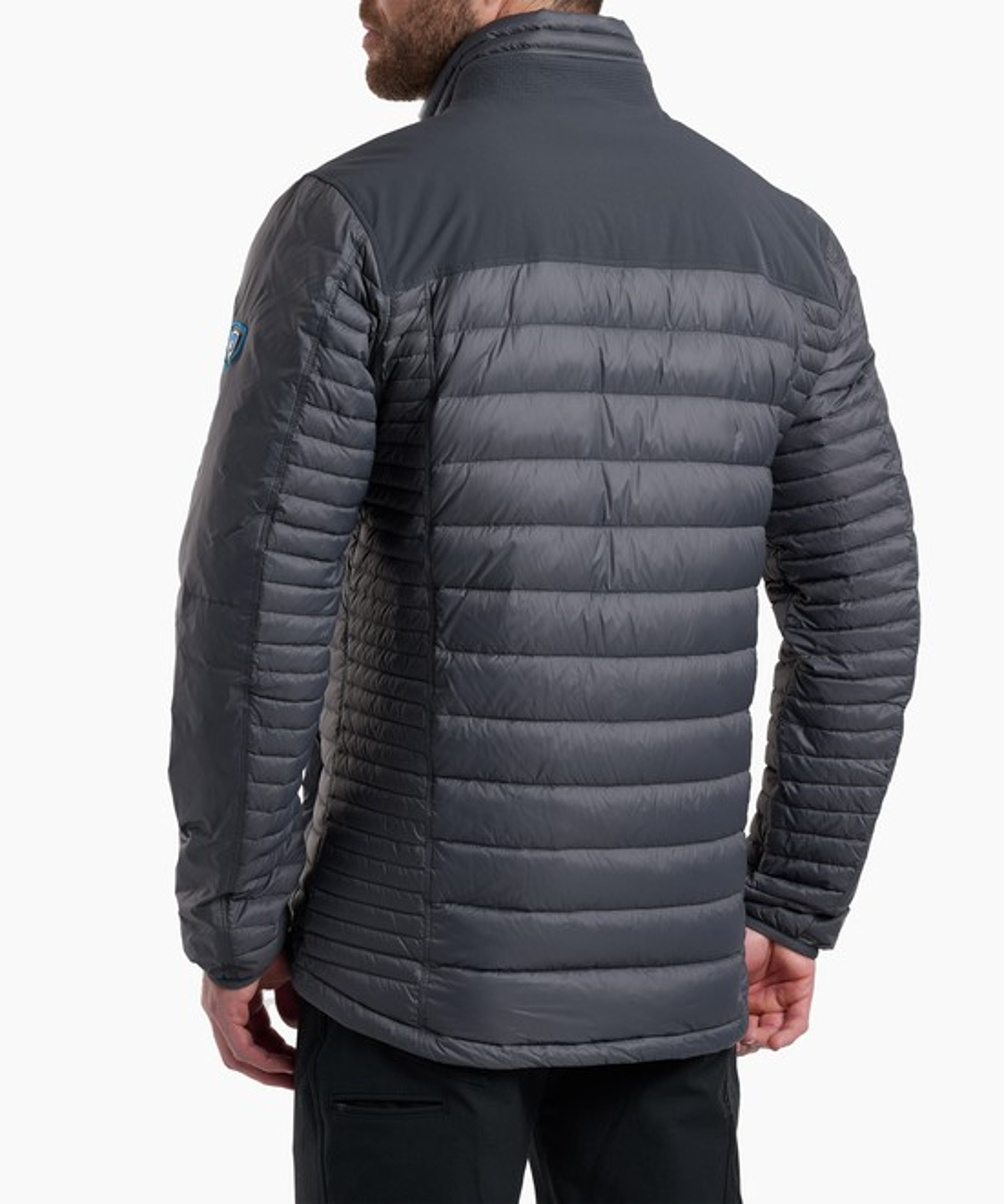
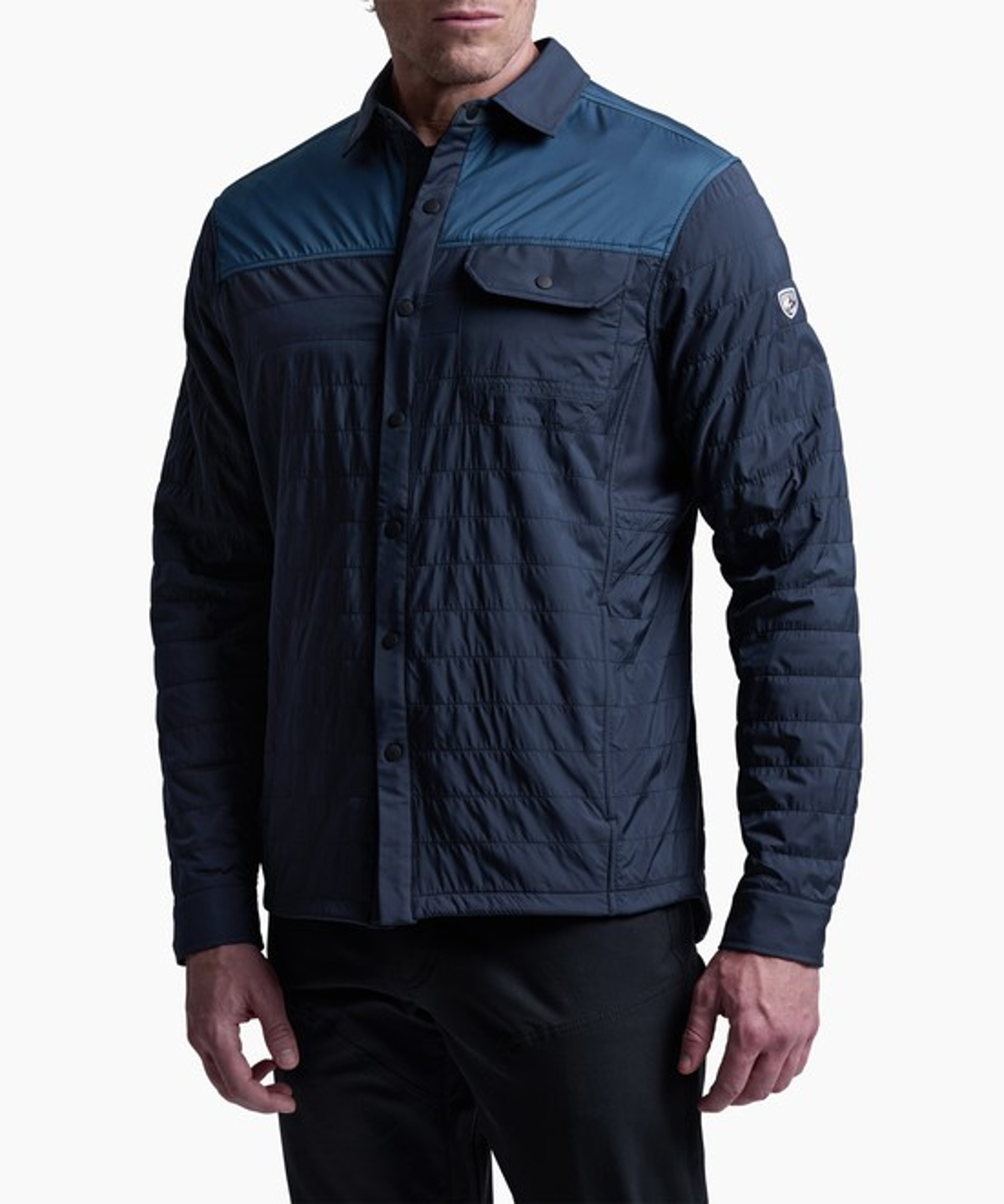
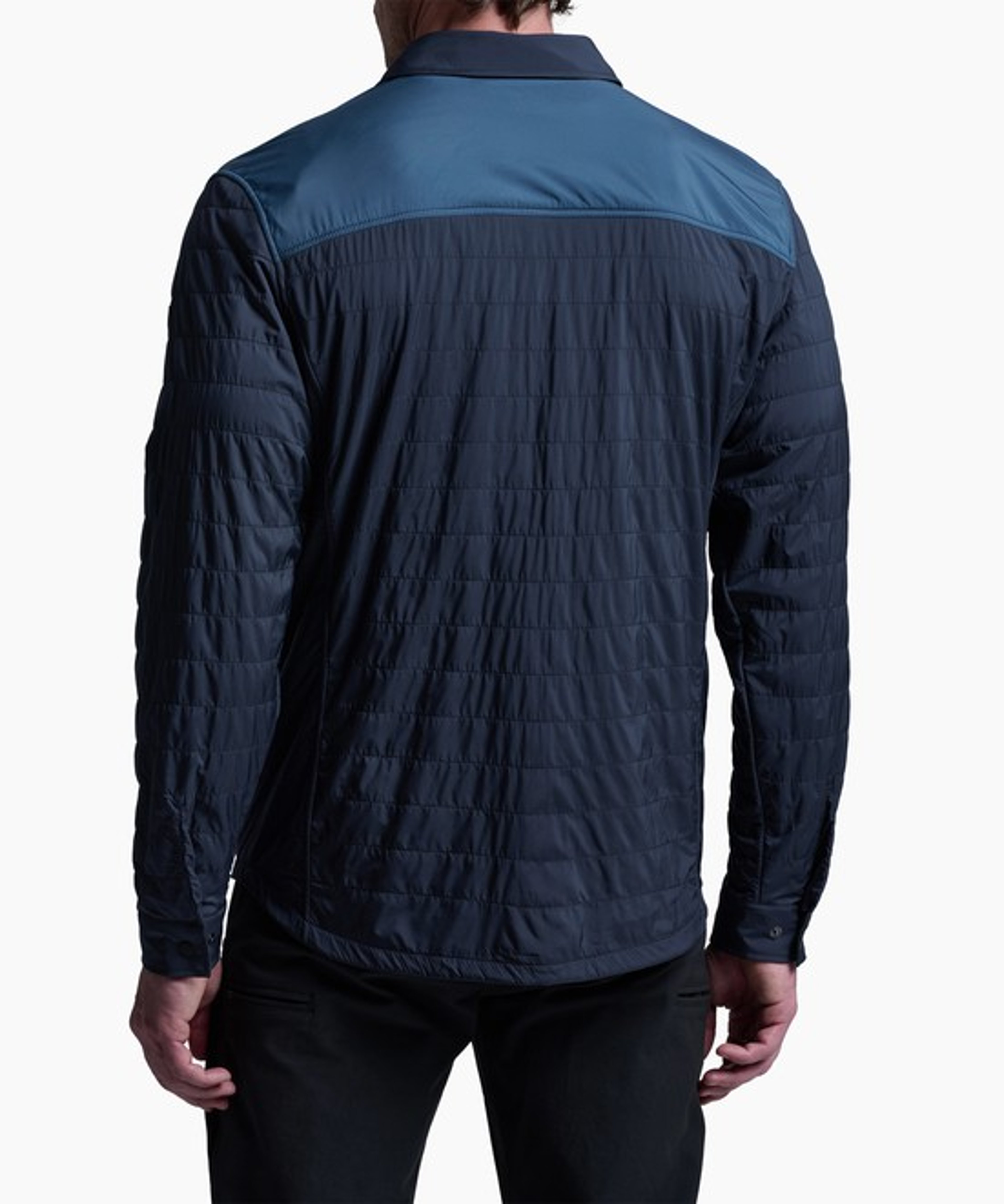
Light Insulation for Cool Days. When the temperature drops but you're still moving, a lightweight insulated layer keeps your core warm without bulk. Mapped insulation puts loft where you need it and drops it under the arms where you generate heat. For deeper cold or more static use, step up to our men's down jackets.
Rain-Ready Lightweight. A DWR finish handles a passing shower. For sustained rain, you want taped seams and a true waterproof-breathable membrane. Lightweight shells in this category lean toward the water-resistant end of the scale, ideal for shoulder seasons, less ideal for a full day of steady downpour.
Built for Layering. Lightweight jackets earn their keep as part of a system. Worn over a wicking baselayer and a midweight men's fleece, they round out a three-piece kit that adapts from trailhead to summit.
When choosing a lightweight jacket, look for signature touches like thumb loops to seal sleeves over your hands, articulated sleeves for full overhead reach, mesh-lined ventilation, and a hood that adjusts down to your face without blocking peripheral vision. Hand pockets sit high enough to clear a pack hipbelt, a small detail that pays off mile after mile.
Choose from a variety of fabrics, styles, and features for the men's lightweight jackets that are right for you:
Wind-Cutting Shells. Built for breezy ridgelines and cool trailheads, lightweight shells use a tight nylon ripstop face with a DWR finish to shed wind and light moisture without weighing you down. Most pack down small, so they ride along on every shoulder-season hike whether you wear them or not.
CHIANTI™ Softshell Versatility. When the breeze cuts but the rain holds off, a stretch softshell anchored on CHIANTI™ fabric splits the difference between a hard shell and a fleece. Built with 4-way stretch, a brushed interior, and a quiet hand-feel, it moves with you on the climb and looks at home at the trailhead. Cross-shop the full lineup in our men's softshell jackets collection.
Light Insulation for Cool Days. When the temperature drops but you're still moving, a lightweight insulated layer keeps your core warm without bulk. Mapped insulation puts loft where you need it and drops it under the arms where you generate heat. For deeper cold or more static use, step up to our men's down jackets.
Rain-Ready Lightweight. A DWR finish handles a passing shower. For sustained rain, you want taped seams and a true waterproof-breathable membrane. Lightweight shells in this category lean toward the water-resistant end of the scale, ideal for shoulder seasons, less ideal for a full day of steady downpour.
Built for Layering. Lightweight jackets earn their keep as part of a system. Worn over a wicking baselayer and a midweight men's fleece, they round out a three-piece kit that adapts from trailhead to summit.
When choosing a lightweight jacket, look for signature touches like thumb loops to seal sleeves over your hands, articulated sleeves for full overhead reach, mesh-lined ventilation, and a hood that adjusts down to your face without blocking peripheral vision. Hand pockets sit high enough to clear a pack hipbelt, a small detail that pays off mile after mile.
Lightweight jackets that hold their own in wind, shed light moisture, and disappear into a daypack, engineered for shoulder seasons and active days on the trail.
What should you look for in men's lightweight jackets?
Look for four things: a face fabric that blocks wind and light moisture, breathability to keep you from soaking out on the climb, a fit that layers over a baselayer without binding, and a packable design that disappears into a daypack. A DWR finish handles passing showers. UPF 50+ adds sun cover on exposed ridgelines. Articulated sleeves and gusseted underarms keep the shell moving with you instead of riding up when you reach overhead.
What's the difference between a hardshell, softshell, and insulated jacket?
Hardshells are fully waterproof rain shells built on a sealed membrane with taped seams. They're the right answer for sustained rain and high wind. Softshells trade some waterproofing for stretch, breathability, and quieter fabric, making them the better choice for active use in cool, dry conditions. Insulated jackets prioritize warmth. Down or synthetic fill traps body heat for static use or cold-weather layering. Most kits carry two of the three. Pick the pair that matches where you actually spend time.
How do you choose between down and synthetic insulation?
Down delivers the best warmth-to-weight ratio and packs down the smallest, which makes it the standard for cold, dry conditions and long-haul travel. Synthetic insulation holds its loft when wet and dries faster, which makes it the smarter pick for damp climates, sweat-heavy effort, or anywhere rain is a real possibility. If you can only own one lightweight insulated layer and you live somewhere wet, go synthetic.
Are lightweight jackets waterproof or just water-resistant?
Most lightweight jackets are water-resistant, not fully waterproof. A DWR finish makes water bead off the face fabric and handles a passing shower or wet snow, but in sustained rain it eventually wets out. True waterproofing requires a membrane and taped seams: check for both before trusting a shell in real weather. For committed rain, step up to our men's rain jackets collection.
How should a lightweight jacket fit for layering?
It should fit close enough to wear alone but leave room for a baselayer and a thin midweight fleece underneath without pulling tight across the shoulders. Sleeves should reach the base of the thumb with arms overhead, and the hem should drop just past the belt to seal out drafts under a pack. Articulated sleeves and a gusseted underarm let you reach without dragging the front hem up.
What features matter most when hiking or backpacking?
Prioritize five things: a helmet- or hood-adjustable cinch that holds shape in wind, pit zips or mesh ventilation for steep climbs, a packable design that stuffs into its own pocket, hand pockets that sit above a hipbelt so they're usable under a pack, and a face fabric tough enough to handle brush. UPF 50+ and a DWR finish are baseline. Thumb loops are a small touch that pays off when wind picks up at altitude.