



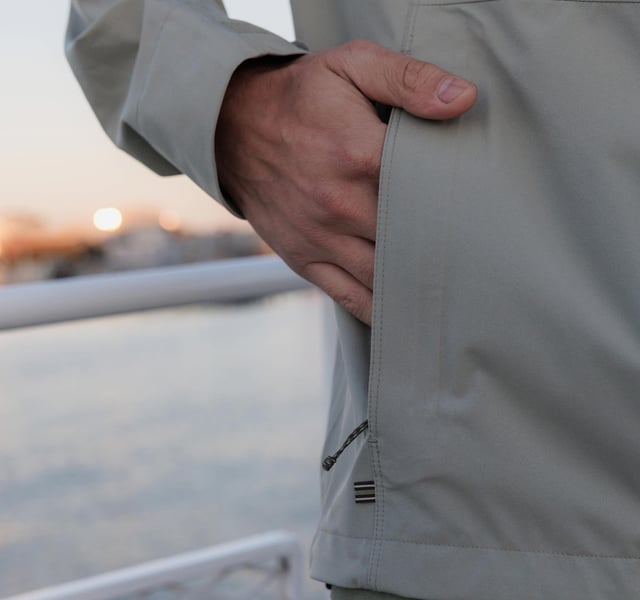
Men's Rain Jackets
Stay Dry from Trailhead to Summit in KÜHL Men's Rain Jackets
Choose from a variety of fabrics, constructions, and features for the men's rain jacket that fits the way you move:
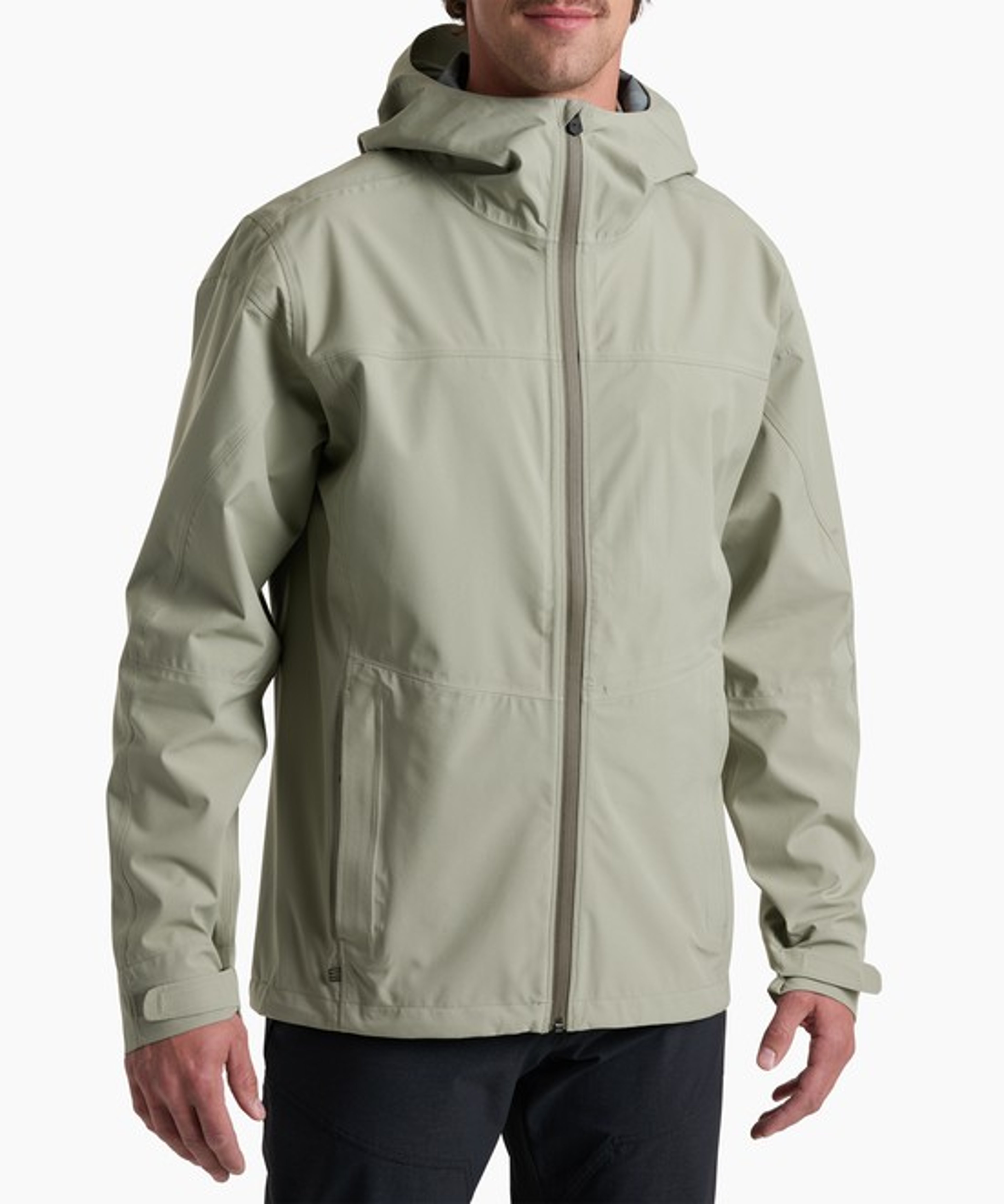
Hardshell Protection. When the forecast turns sideways, a fully seam-sealed hardshell with a waterproof-breathable membrane is your front line of defense. Taped seams, water-repellent zippers, and a DWR finish on the face fabric keep sustained rain on the outside while interior heat escapes through the membrane rather than condensing under your shell.
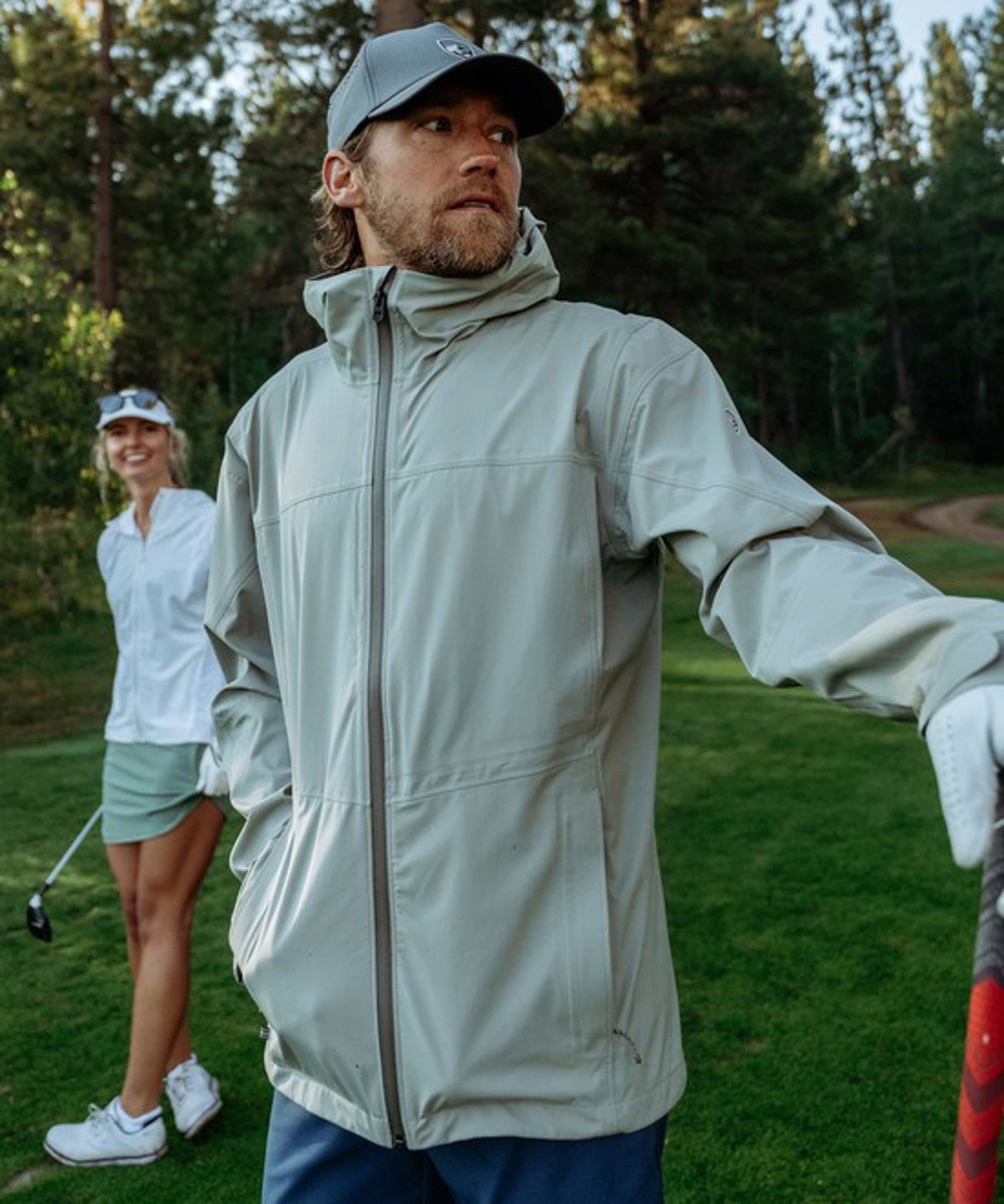
Lightweight Stretch Shells. For high-output days where mobility matters as much as weather protection, look for shells built with 4-way stretch in the face fabric. Articulated sleeves and a trim-to-normal cut move with you on technical terrain, and a packable build stows into a pack pocket when the sky clears.
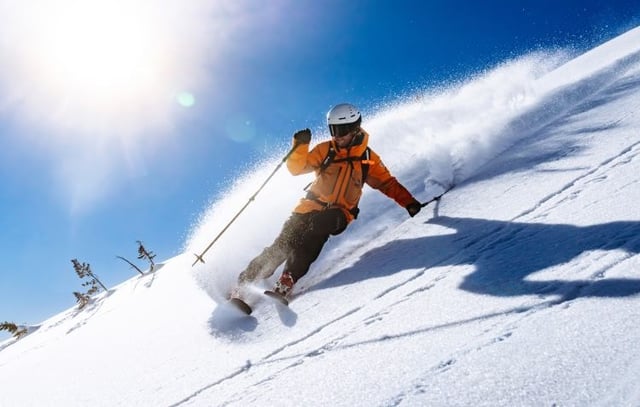
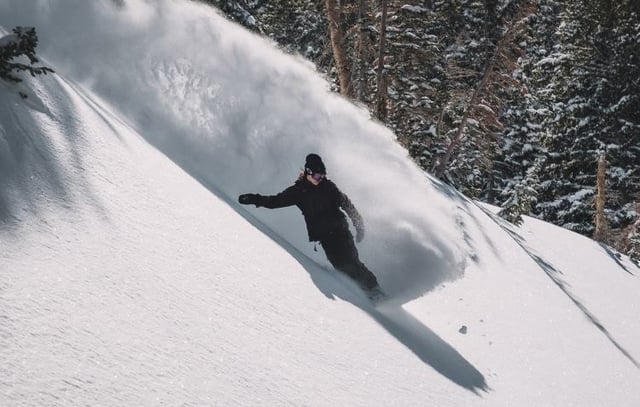
Insulated Storm Layers. Cold-and-wet is the hardest combination to dress for. An insulated waterproof shell pairs synthetic fill with a fully waterproof outer for variable winter weather where down would wet out. Synthetic insulation keeps its loft when damp, the right call for shoulder-season rain that turns to wet snow.
Ventilation Where You Need It. Look for pit zips that dump heat fast on steep climbs, mesh-lined pockets that double as ventilation, and adjustable cuffs and hems that seal out wind. A helmet-compatible hood with a laminated visor keeps rain off your face when you turn into the weather.
Built to Move. Ripstop face fabrics shrug off brush and rock, reinforced shoulders take pack-strap abrasion in stride, and articulated patterning lets you reach overhead without lifting the hem. Pair a rain shell over a men's fleece midlayer when temperatures drop, or strip back to a shell-only system on shoulder-season showers.
When choosing the right rain layer, look for signature touches like a stowable hood, fully taped seams, adjustable storm cuffs, and pockets positioned to clear a pack hipbelt. For broader weather coverage across your kit, see our full men's outerwear collection.
Choose from a variety of fabrics, constructions, and features for the men's rain jacket that fits the way you move:
Hardshell Protection. When the forecast turns sideways, a fully seam-sealed hardshell with a waterproof-breathable membrane is your front line of defense. Taped seams, water-repellent zippers, and a DWR finish on the face fabric keep sustained rain on the outside while interior heat escapes through the membrane rather than condensing under your shell.
Lightweight Stretch Shells. For high-output days where mobility matters as much as weather protection, look for shells built with 4-way stretch in the face fabric. Articulated sleeves and a trim-to-normal cut move with you on technical terrain, and a packable build stows into a pack pocket when the sky clears.
Insulated Storm Layers. Cold-and-wet is the hardest combination to dress for. An insulated waterproof shell pairs synthetic fill with a fully waterproof outer for variable winter weather where down would wet out. Synthetic insulation keeps its loft when damp, the right call for shoulder-season rain that turns to wet snow.
Ventilation Where You Need It. Look for pit zips that dump heat fast on steep climbs, mesh-lined pockets that double as ventilation, and adjustable cuffs and hems that seal out wind. A helmet-compatible hood with a laminated visor keeps rain off your face when you turn into the weather.
Built to Move. Ripstop face fabrics shrug off brush and rock, reinforced shoulders take pack-strap abrasion in stride, and articulated patterning lets you reach overhead without lifting the hem. Pair a rain shell over a men's fleece midlayer when temperatures drop, or strip back to a shell-only system on shoulder-season showers.
When choosing the right rain layer, look for signature touches like a stowable hood, fully taped seams, adjustable storm cuffs, and pockets positioned to clear a pack hipbelt. For broader weather coverage across your kit, see our full men's outerwear collection.
Everything you need to know about choosing a men's rain jacket, from hardshell vs softshell to layering fit and the features that earn their weight on the trail.
What should you look for in men's rain jackets?
The best men's rain jackets balance waterproof protection, breathability, and a fit that works over your layers. Start with the construction: a taped-seam waterproof-breathable membrane is non-negotiable for sustained rain, and a DWR finish on the face fabric keeps water beading off rather than soaking in. From there, look for pit zips or mesh ventilation, an adjustable helmet-compatible hood, and articulated patterning that lets you reach without lifting the hem. Pocket placement matters too: chest and hand pockets that clear a pack hipbelt are worth more on the trail than they sound. For warmer or drier shoulder-season days, a softshell jacket often outperforms a hardshell on breathability.
What's the difference between a hardshell, softshell, and insulated jacket?
A hardshell is your fully waterproof rain layer. A softshell trades full waterproofing for breathability and stretch. An insulated jacket adds warmth via down or synthetic fill. Hardshells use a waterproof-breathable membrane, taped seams, and water-repellent zippers to block sustained rain and wind, the right call when you'll be out in real weather. Softshells use a tighter-woven face fabric and a DWR finish to shed light moisture while breathing far better during high-output efforts. Insulated jackets focus on warmth rather than weather, though some combine synthetic fill with a waterproof outer for cold, wet conditions.
How do you choose between down and synthetic insulation?
Choose down for the best warmth-to-weight ratio in dry, cold conditions. Choose synthetic when wet weather is on the menu. Down compresses smaller and weighs less for the warmth it delivers, which makes it the classic pick for cold-but-dry alpine and winter use. Synthetic insulation keeps its loft when damp and continues to insulate even after it gets wet, which is why most rain-ready insulated shells use synthetic fill rather than down. If you're layering under a rain shell or expect mixed precipitation, synthetic is the safer call.
Are rain jackets waterproof or just water-resistant?
It depends on the construction: a true rain jacket uses a waterproof membrane and taped seams, while a water-resistant shell relies only on a DWR finish. A DWR (durable water repellent) finish causes water to bead and roll off the face fabric, which handles light showers and short bursts but wets out under sustained rain. A laminated or coated waterproof-breathable membrane, combined with fully taped seams and water-repellent zippers, is what lets a jacket stand up to a real storm. If the product copy mentions "seam-sealed" or "waterproof membrane," it's a true rain jacket. If it only mentions "water-resistant," treat it as light-weather only.
How should a rain jacket fit for layering?
A rain jacket should fit with enough room for a base layer and a midweight insulator underneath, without bagging when worn alone. Reach overhead (the hem should stay put rather than ride up over a pack hipbelt) and roll your shoulders forward to check that articulated sleeves let you swing without binding. Cuffs should seal over gloves, and the hood should turn with your head rather than blinding you when you look sideways. A trim-to-normal cut works best for active use. A roomier cut is fine for casual wear but adds wind-flap on exposed ridgelines. For a less weather-focused silhouette, see our men's casual outerwear.
What features matter most when hiking or backpacking?
For hiking and backpacking, prioritize ventilation, pocket access under a pack, hood adjustability, and packability. Pit zips are the single most useful feature on steep climbs. They dump heat fast without forcing you to stop and strip the shell. A helmet-compatible hood with a laminated visor keeps rain off your face when you turn into the weather, and adjustable cuffs and hem cinches seal out wind on exposed terrain. Look for chest pockets positioned above a pack hipbelt so you can reach maps, snacks, or a phone without pulling off the pack. A packable build that stuffs into its own pocket earns its weight every time the sky stays blue longer than the forecast promised.