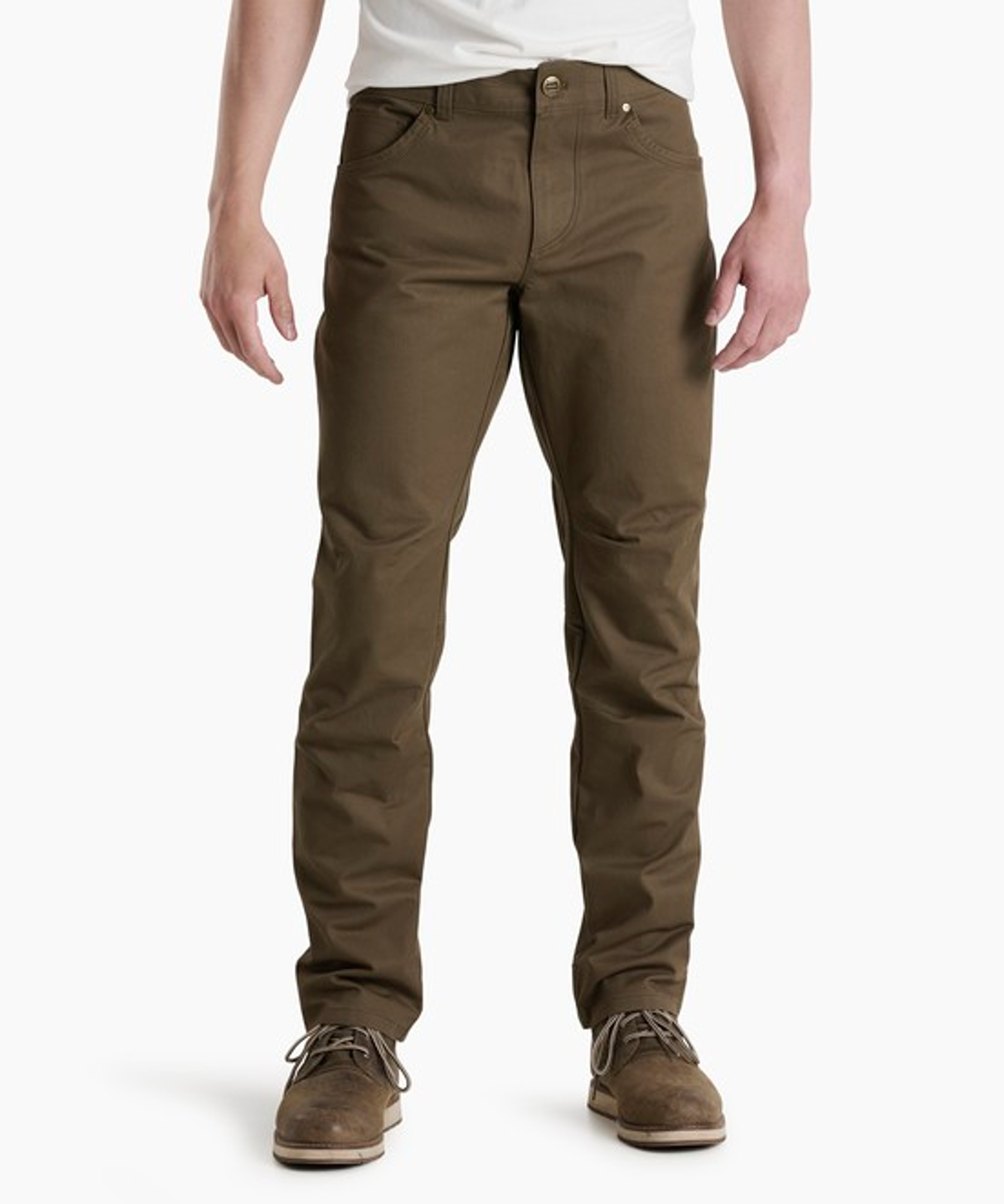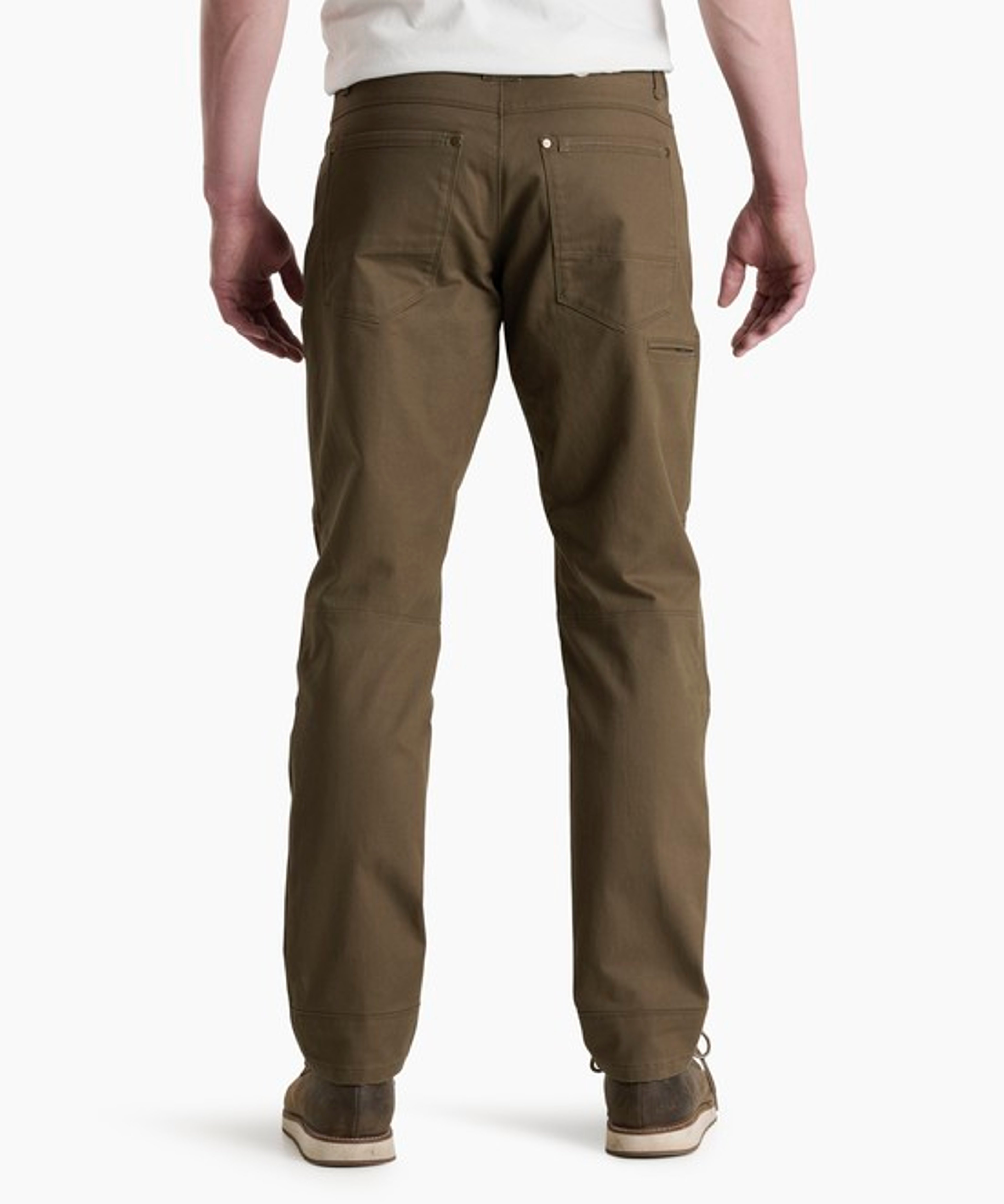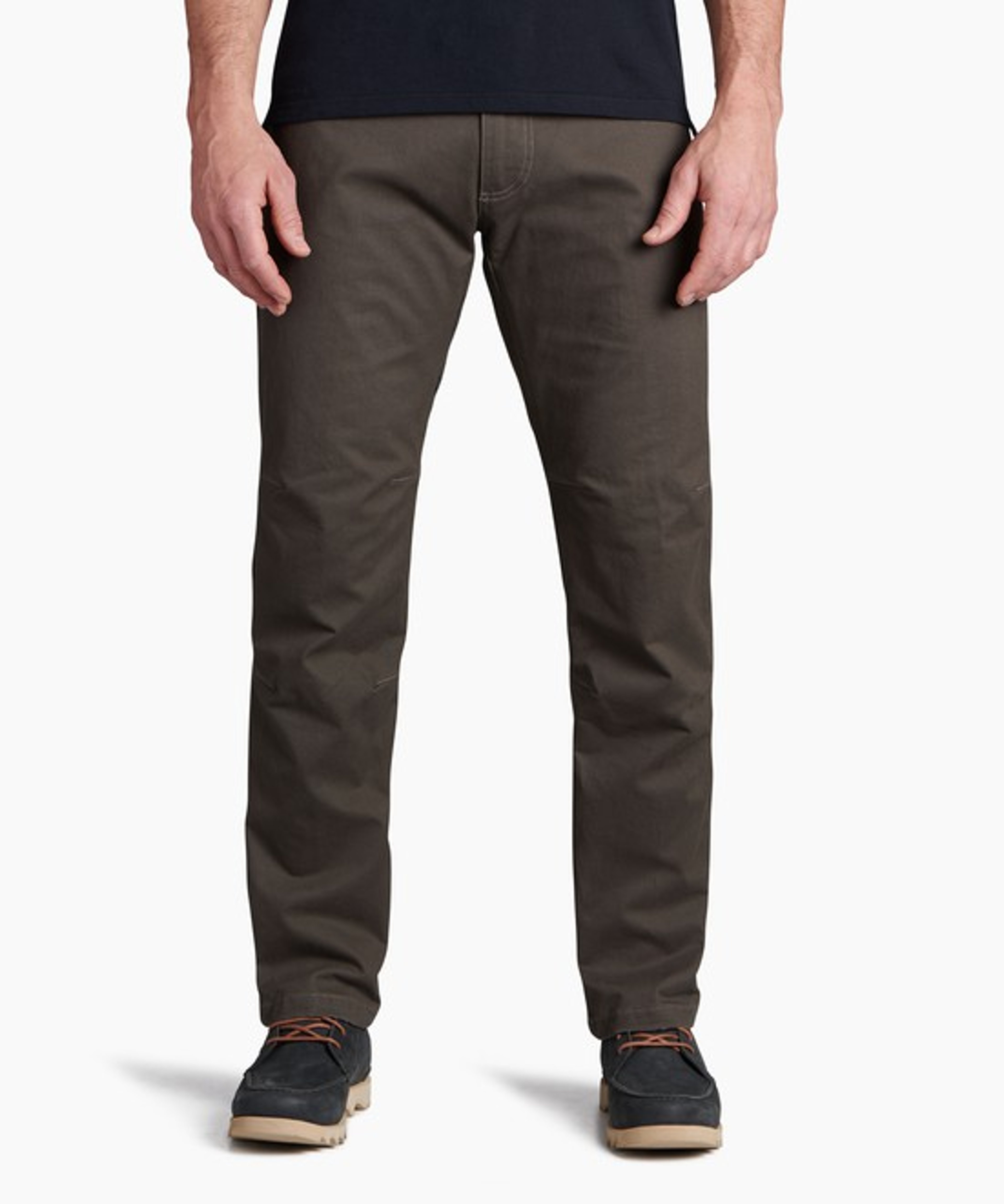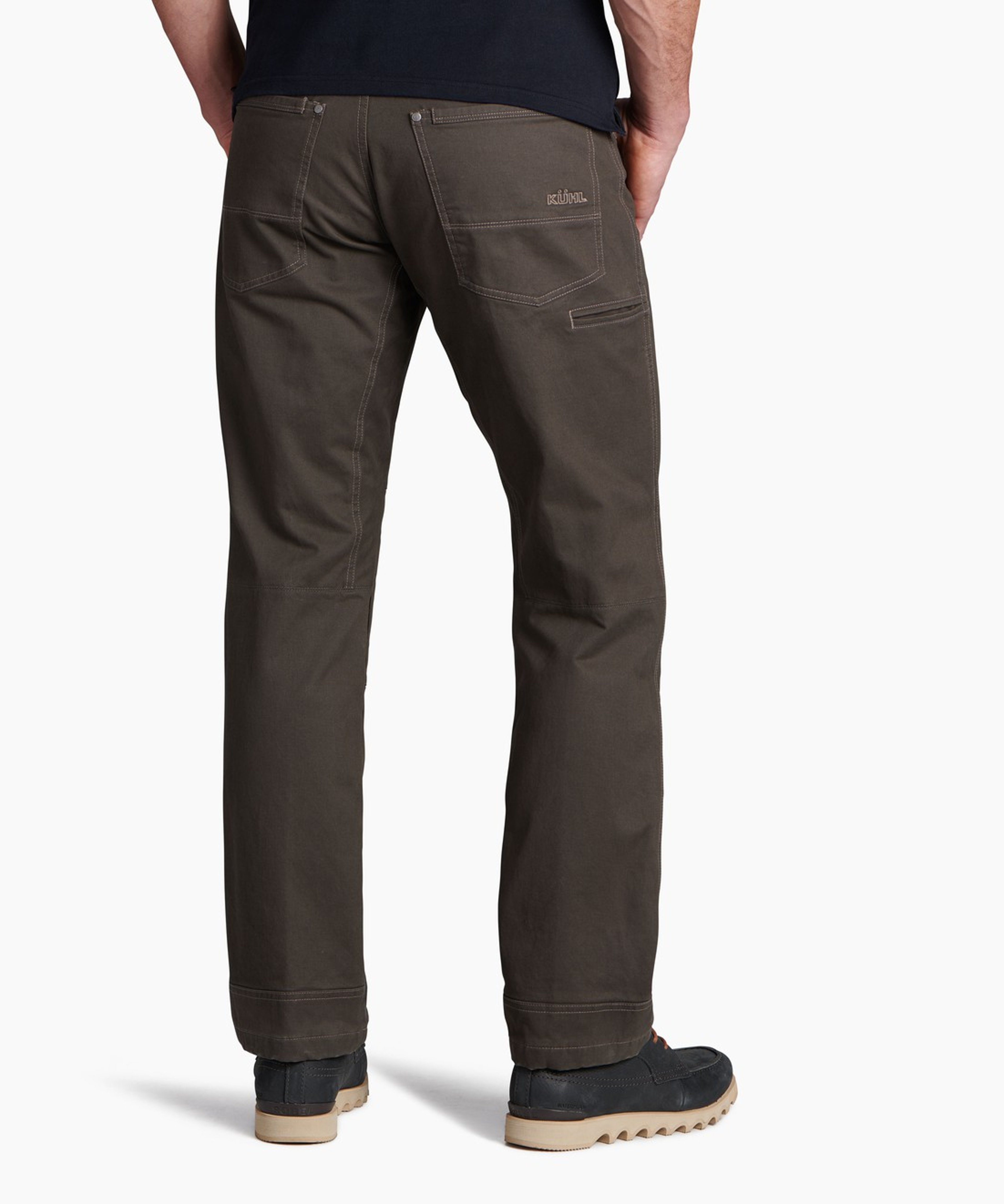


Men's Craft Work Pants
KÜHL Men's Craft Work Pants Earn Their Keep Where the Day Gets Hard
Choose from a variety of fabrics, styles, and features for the men's work pants that are right for you:
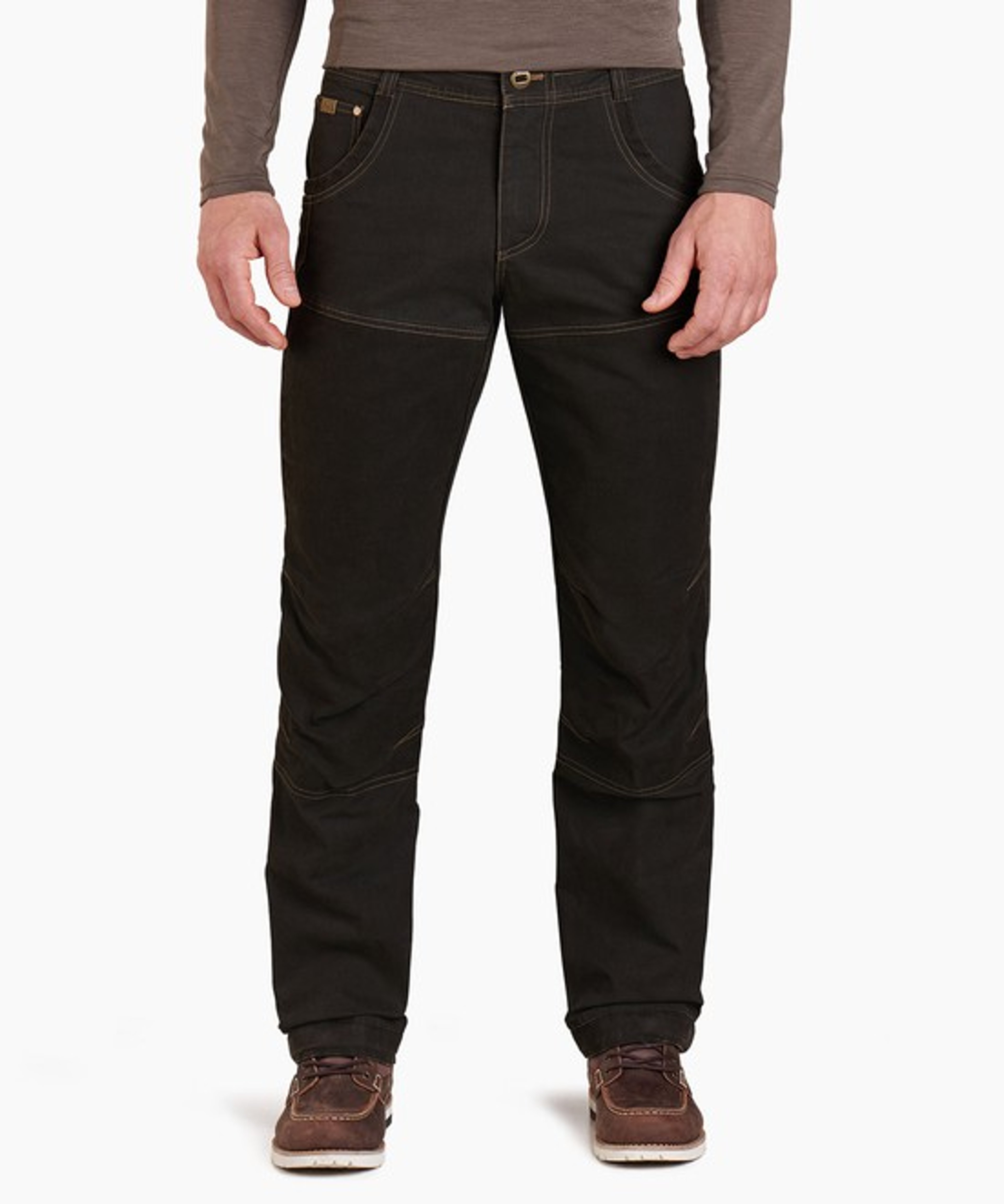
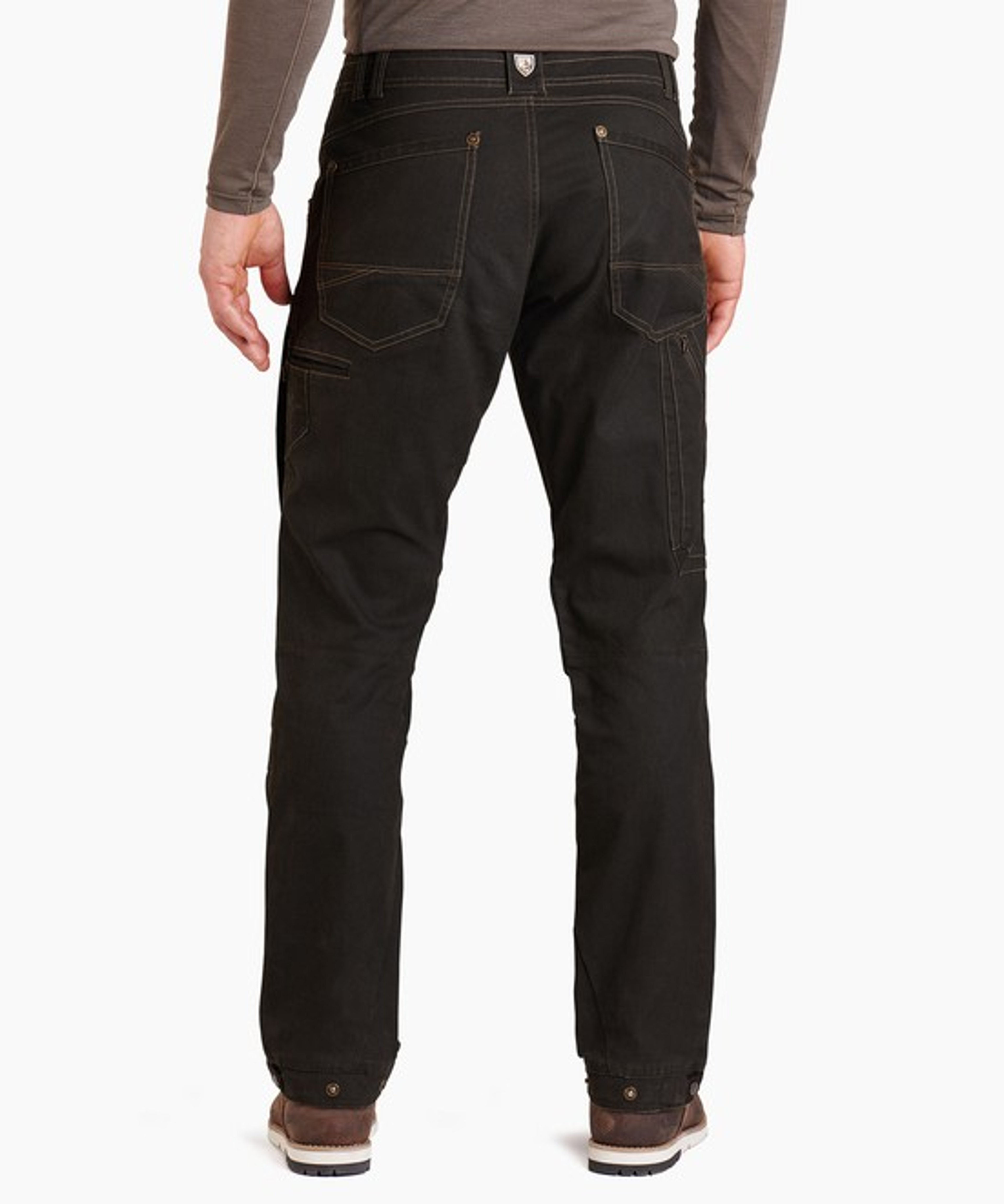
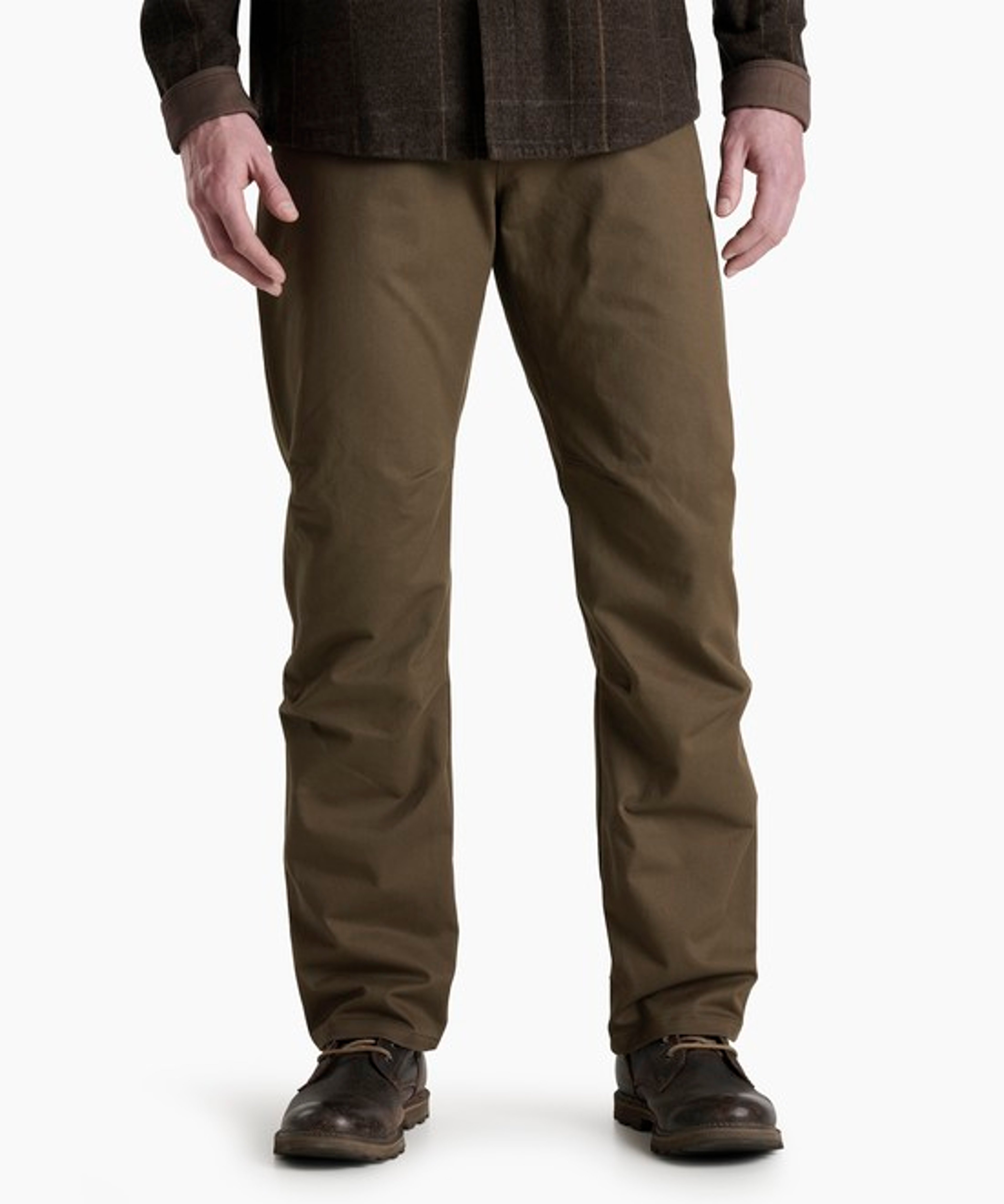
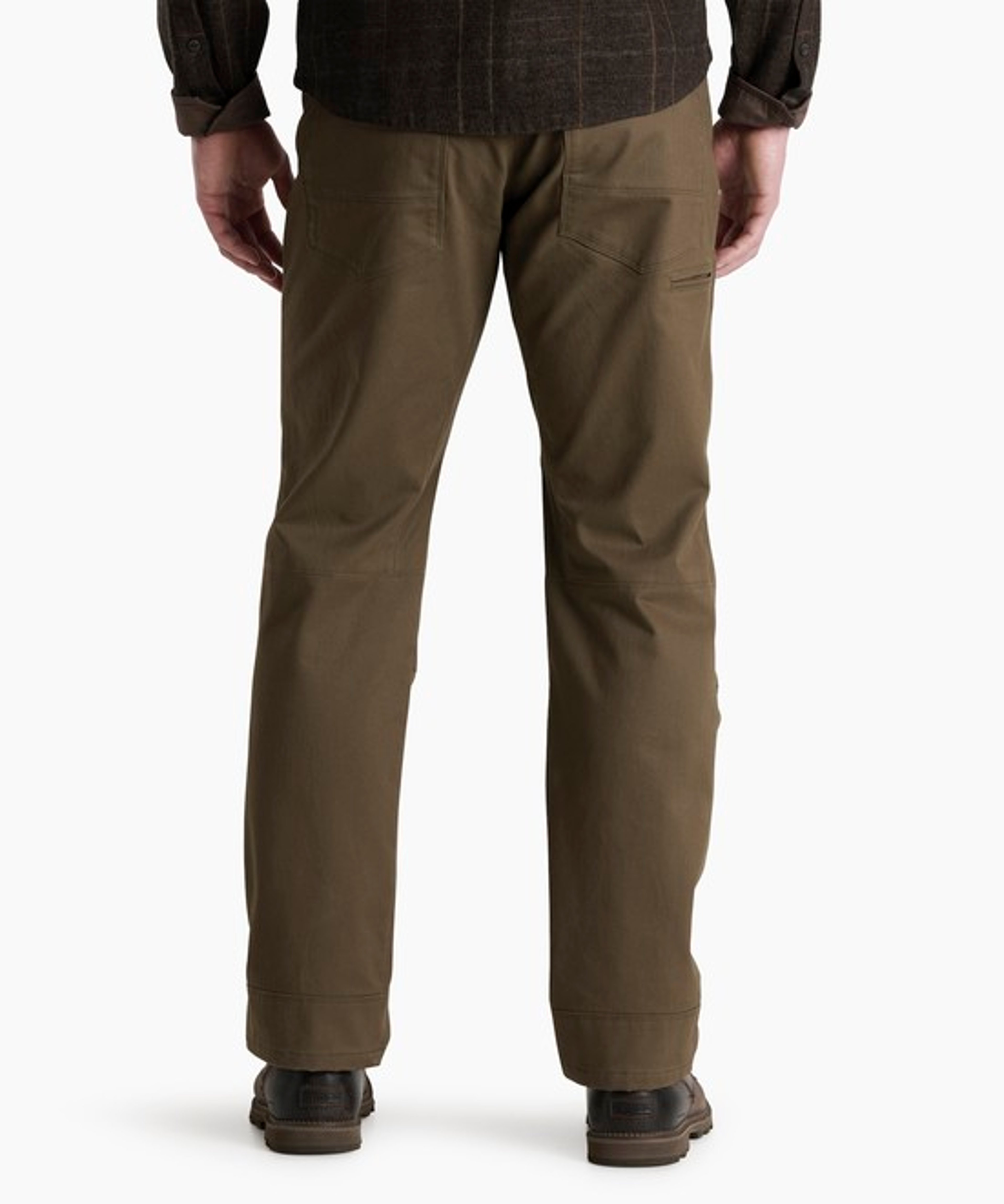
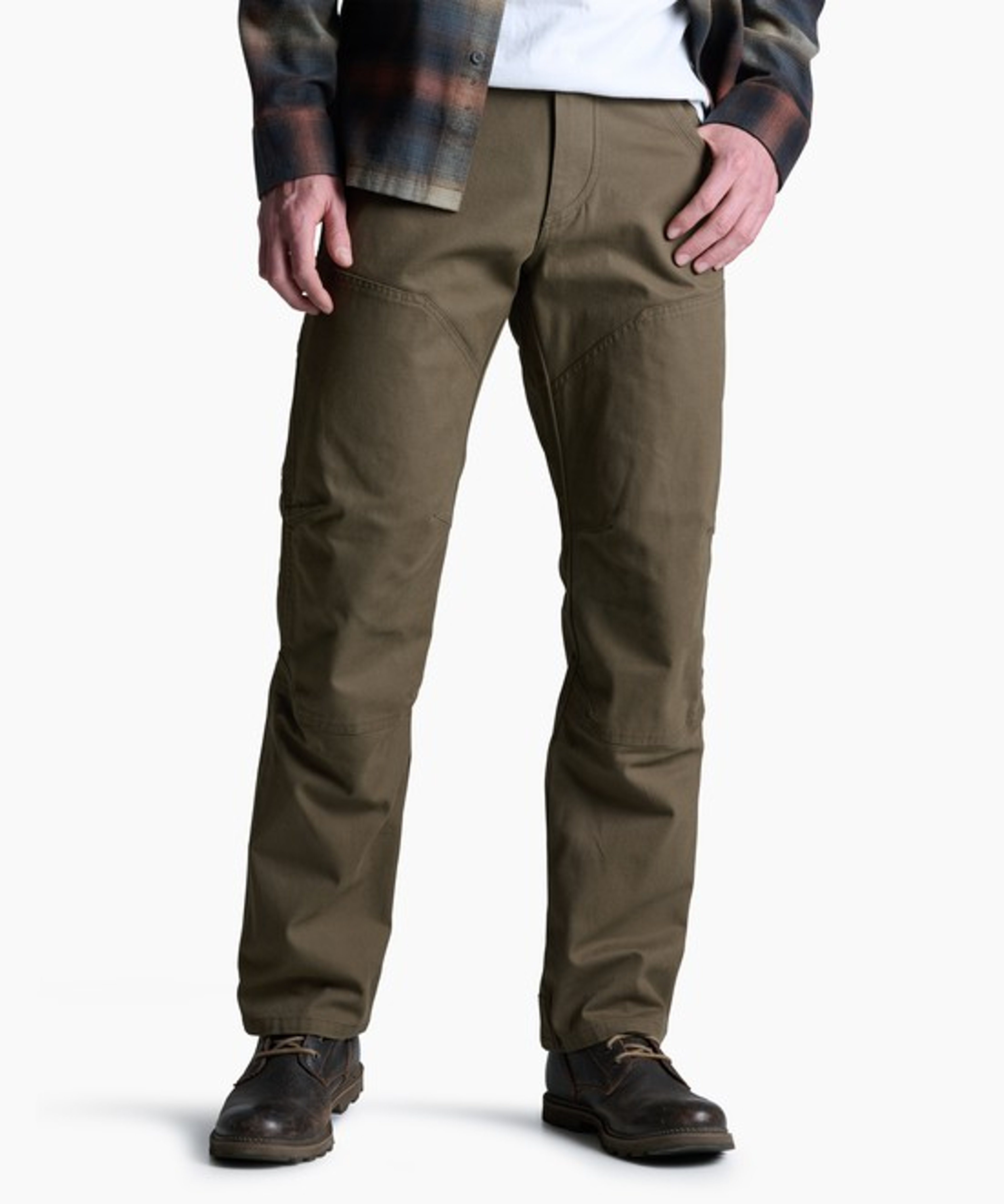
Rugged Reliability. Built to take welding spatter, splinters, paint, and the long crawl across a roof deck, KÜHL craft work pants pair heavyweight canvas and ripstop weaves with reinforcements through the thigh and knee. Articulated knees and a gusseted crotch let you crouch, kneel, and climb a ladder without binding, the construction details that separate a real work pant from a pair of stiff cottons.
Weightless Softshell Performance. For tradesmen who move all day, our exclusive DURALUX™ softshell is a quick-drying nylon-spandex blend with a DWR finish, abrasion resistance, and UPF 50+ sun protection. Soft to the touch and engineered to stretch in every direction, it's the construction recipe we lean on for jobsite punishment without the stiffness of pure canvas.
Stretch and Mobility Where You Need It: The FreeRyde™ waistband flexes with your hips when you bend and lift, and 4-way stretch keeps the legs honest through every squat, step, and stair. Combined with articulated knees and a gusseted crotch, it's the difference between a pant that works with you and one that fights you all day.
Cold-Weather Workdays. When the temperature drops, look for pants with a brushed interior face and a softshell outer, layered construction that traps body heat without adding bulk over a thermal bottom, so you can keep moving through a frost-line morning without bundling up.
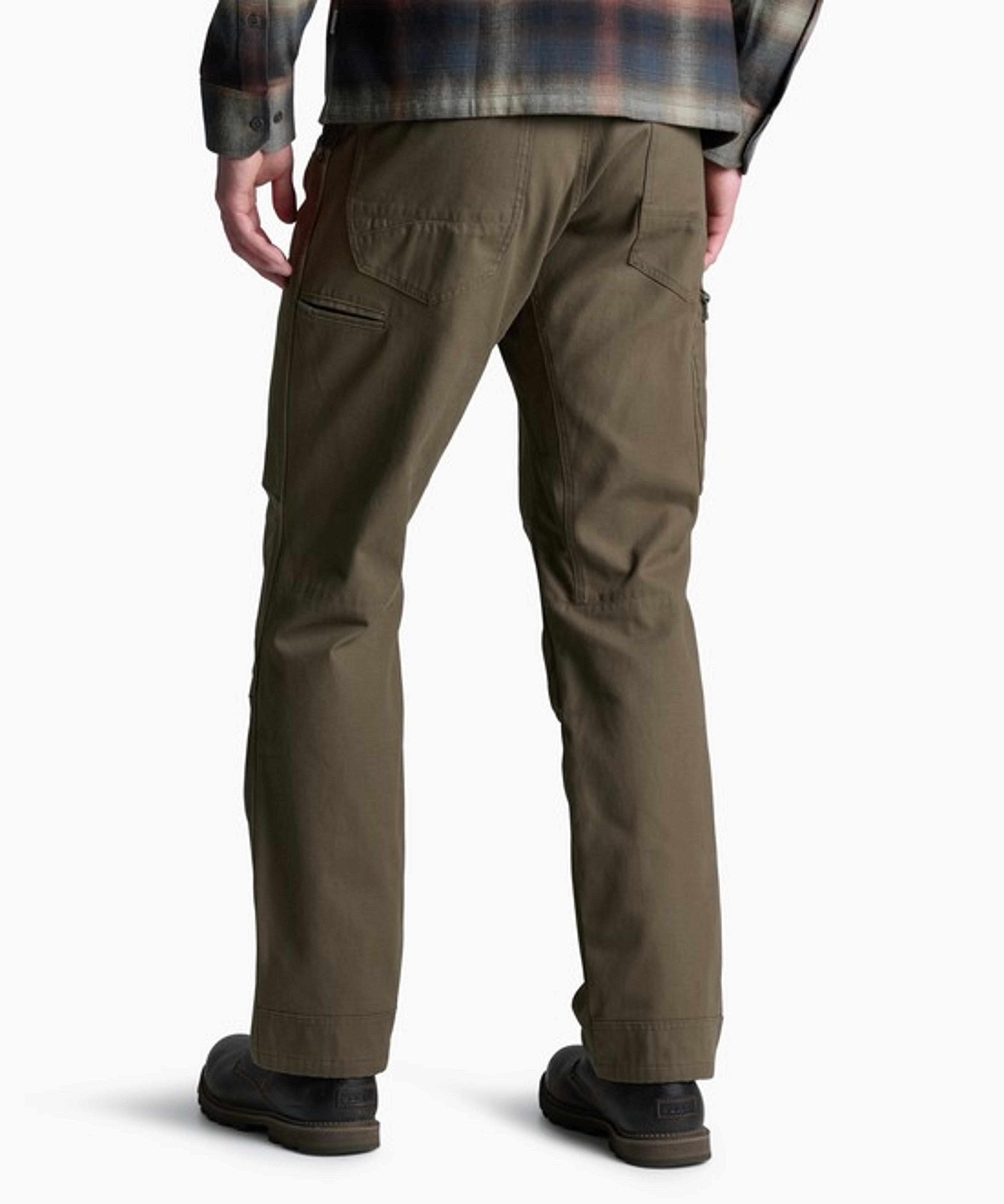
Look for signature touches like KÜHL's articulated knees for freedom of movement, a gusseted crotch for unrestricted range, a FreeRyde™ waistband that moves with you, and reinforced fabric through the high-wear zones. Hidden security pockets and drop-in stealth pockets keep tools and EDC where you want them. Constructed for tradesmen by people who've worn them on the job.
Choose from a variety of fabrics, styles, and features for the men's work pants that are right for you:
Rugged Reliability. Built to take welding spatter, splinters, paint, and the long crawl across a roof deck, KÜHL craft work pants pair heavyweight canvas and ripstop weaves with reinforcements through the thigh and knee. Articulated knees and a gusseted crotch let you crouch, kneel, and climb a ladder without binding, the construction details that separate a real work pant from a pair of stiff cottons.
Weightless Softshell Performance. For tradesmen who move all day, our exclusive DURALUX™ softshell is a quick-drying nylon-spandex blend with a DWR finish, abrasion resistance, and UPF 50+ sun protection. Soft to the touch and engineered to stretch in every direction, it's the construction recipe we lean on for jobsite punishment without the stiffness of pure canvas.
Stretch and Mobility Where You Need It: The FreeRyde™ waistband flexes with your hips when you bend and lift, and 4-way stretch keeps the legs honest through every squat, step, and stair. Combined with articulated knees and a gusseted crotch, it's the difference between a pant that works with you and one that fights you all day.
Cold-Weather Workdays. When the temperature drops, look for pants with a brushed interior face and a softshell outer, layered construction that traps body heat without adding bulk over a thermal bottom, so you can keep moving through a frost-line morning without bundling up.
Look for signature touches like KÜHL's articulated knees for freedom of movement, a gusseted crotch for unrestricted range, a FreeRyde™ waistband that moves with you, and reinforced fabric through the high-wear zones. Hidden security pockets and drop-in stealth pockets keep tools and EDC where you want them. Constructed for tradesmen by people who've worn them on the job.
Everything you need to know about choosing men's craft work pants: fabrics, fit, weather protection, and how they compare to hiking and travel pants.
What should you look for in men's craft work pants?
The best men's craft work pants pair a durable, abrasion-resistant fabric with construction that lets you move all day without binding.
Look for these signals when you compare options:
Look for these signals when you compare options:
- Stretch built into a heavyweight weave, usually a softshell or canvas with a few percent spandex, not stiff 100% cotton.
- Articulated knees and a gusseted crotch so squatting, kneeling, and climbing a ladder don't fight you.
- A DWR finish to shed sawdust, splatter, and light rain.
- UPF 50+ sun protection if your day moves between indoor work and roof or trench time.
- A FreeRyde™ waistband that flexes when you bend and lift.
Are jeans or cotton pants OK for hiking, working, or traveling in?
For most active days, no. Straight cotton is the worst fabric on the list.
Cotton soaks up sweat and rain, takes hours to dry, and turns cold and heavy against the skin once it's wet. Denim does the same, with added stiffness and a cut that fights articulation. Synthetic-blend technical fabrics like our DURALUX™ softshell wick moisture, dry fast, stretch in four directions, and shed light precipitation with a DWR finish. If you prefer a cotton hand-feel for the jobsite, look for combed cotton woven with stretch and reinforced through the high-wear zones. That's a real working pant, not a pair of weekend jeans.
Cotton soaks up sweat and rain, takes hours to dry, and turns cold and heavy against the skin once it's wet. Denim does the same, with added stiffness and a cut that fights articulation. Synthetic-blend technical fabrics like our DURALUX™ softshell wick moisture, dry fast, stretch in four directions, and shed light precipitation with a DWR finish. If you prefer a cotton hand-feel for the jobsite, look for combed cotton woven with stretch and reinforced through the high-wear zones. That's a real working pant, not a pair of weekend jeans.
What's the difference between hiking, work, and travel pants?
Hiking, work, and travel pants share construction DNA but optimize for different conditions.
Men's hiking pants prioritize stretch, breathability, UPF 50+, and quick-dry performance for miles of trail movement. Work pants lean on heavier, abrasion-resistant fabrics (canvas, ripstop, or a tougher softshell) with reinforcements through the knee and thigh, because the day is harder on the cloth. Men's travel pants split the difference: lighter and dressier than work pants, more refined than hiking pants, with hidden security pockets for passports and cards. Pick by where the day is spent, not by what the label says.
Men's hiking pants prioritize stretch, breathability, UPF 50+, and quick-dry performance for miles of trail movement. Work pants lean on heavier, abrasion-resistant fabrics (canvas, ripstop, or a tougher softshell) with reinforcements through the knee and thigh, because the day is harder on the cloth. Men's travel pants split the difference: lighter and dressier than work pants, more refined than hiking pants, with hidden security pockets for passports and cards. Pick by where the day is spent, not by what the label says.
What's the best fit for craft work pants, slim, relaxed, or wide-leg?
Fit silhouette matters less than what's underneath the cut.
A relaxed leg gives you room over boots. A slim or tapered leg looks sharper off-shift. A wide leg breathes when it's hot. All three can work on a jobsite if, and this is the important part, the pant has an articulated knee, a gusseted crotch, and stretch built into the fabric. Without those, even the most relaxed leg will bind when you squat to a low fixture. Pick the silhouette you actually want to wear. Just don't trade away the construction details that let you move.
A relaxed leg gives you room over boots. A slim or tapered leg looks sharper off-shift. A wide leg breathes when it's hot. All three can work on a jobsite if, and this is the important part, the pant has an articulated knee, a gusseted crotch, and stretch built into the fabric. Without those, even the most relaxed leg will bind when you squat to a low fixture. Pick the silhouette you actually want to wear. Just don't trade away the construction details that let you move.
What should you wear in hot vs cold weather?
Match the fabric weight to the conditions, not the other way around.
In heat, reach for a lighter softshell or ripstop with mesh ventilation and UPF 50+ sun protection, fabric that dries fast when you sweat through it and blocks the sun on exposed jobsites. In cold, shift to a heavier softshell or canvas with a brushed interior face, and layer over a synthetic or merino baselayer for body-heat retention without bulk. The same craft-work-pant silhouette can carry you year-round. Only the fabric weight and what's underneath needs to change.
In heat, reach for a lighter softshell or ripstop with mesh ventilation and UPF 50+ sun protection, fabric that dries fast when you sweat through it and blocks the sun on exposed jobsites. In cold, shift to a heavier softshell or canvas with a brushed interior face, and layer over a synthetic or merino baselayer for body-heat retention without bulk. The same craft-work-pant silhouette can carry you year-round. Only the fabric weight and what's underneath needs to change.
Are craft work pants waterproof, or just water-resistant?
Craft work pants are water-resistant, not waterproof, and that's by design.
A DWR (durable water repellent) finish makes the fabric bead and shed light rain, splatter, and morning dew while still letting the pant breathe, so you don't soak yourself from the inside out. For sustained downpours or wet brush, water-resistance isn't enough. Pair the pant with a true rain shell over the top, or step up to our men's water-resistant pants when the forecast turns harder than a DWR finish can handle.
A DWR (durable water repellent) finish makes the fabric bead and shed light rain, splatter, and morning dew while still letting the pant breathe, so you don't soak yourself from the inside out. For sustained downpours or wet brush, water-resistance isn't enough. Pair the pant with a true rain shell over the top, or step up to our men's water-resistant pants when the forecast turns harder than a DWR finish can handle.