



Women's Hiking Pants
Move farther in KÜHL Women's Hiking Pants
Choose from a variety of fabrics, fits, and features for the women's hiking pants that fit how you actually move on trail:
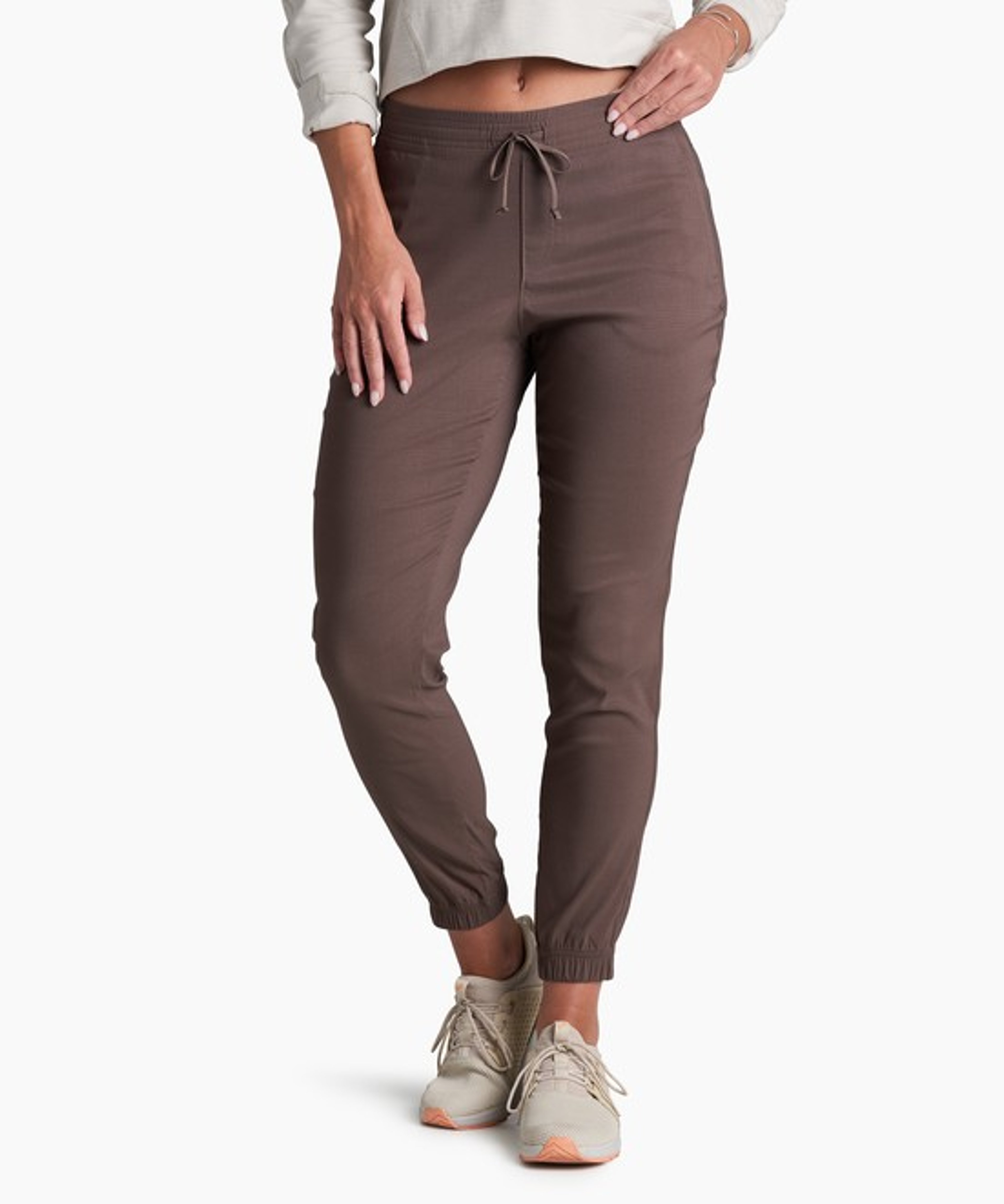
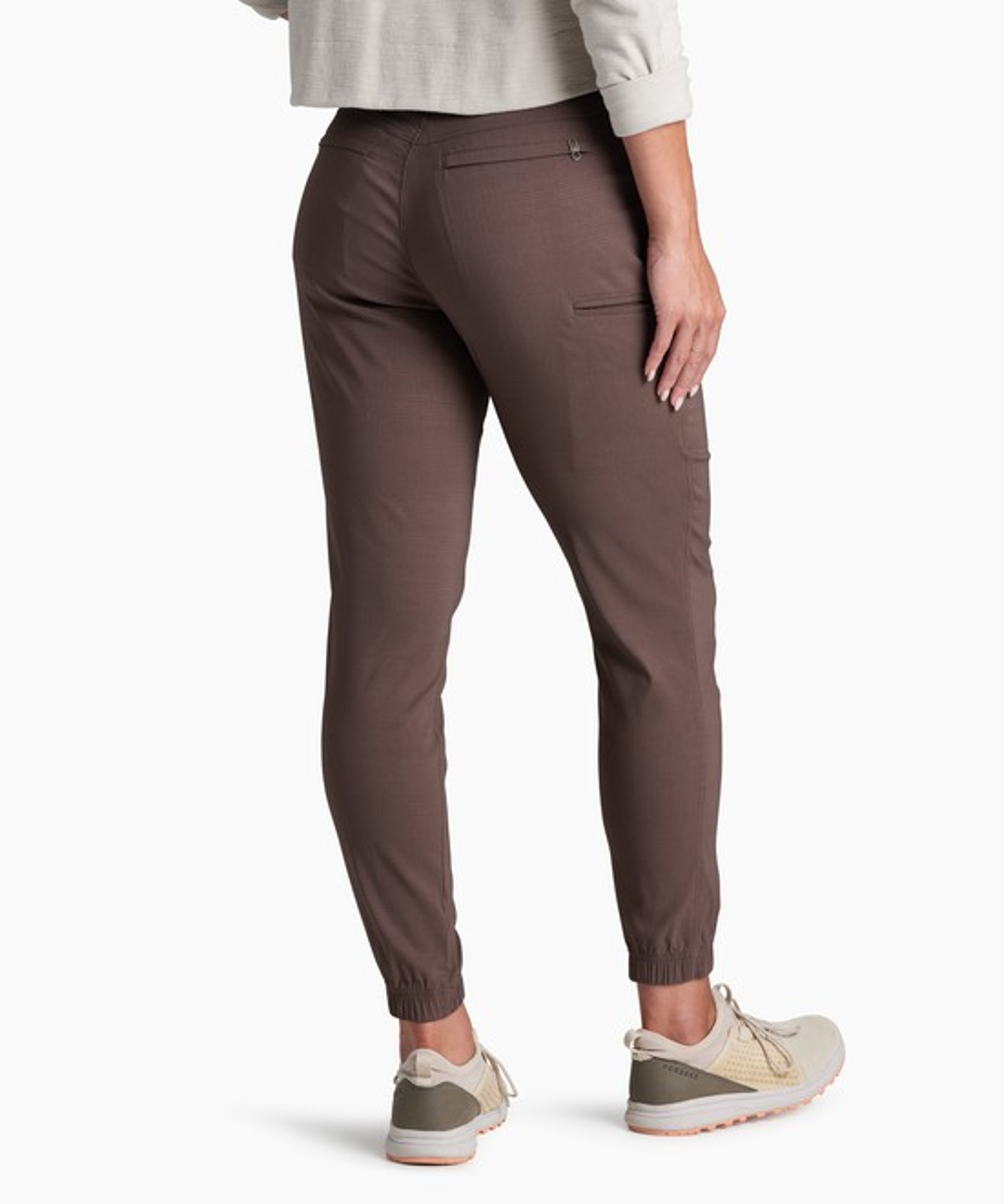
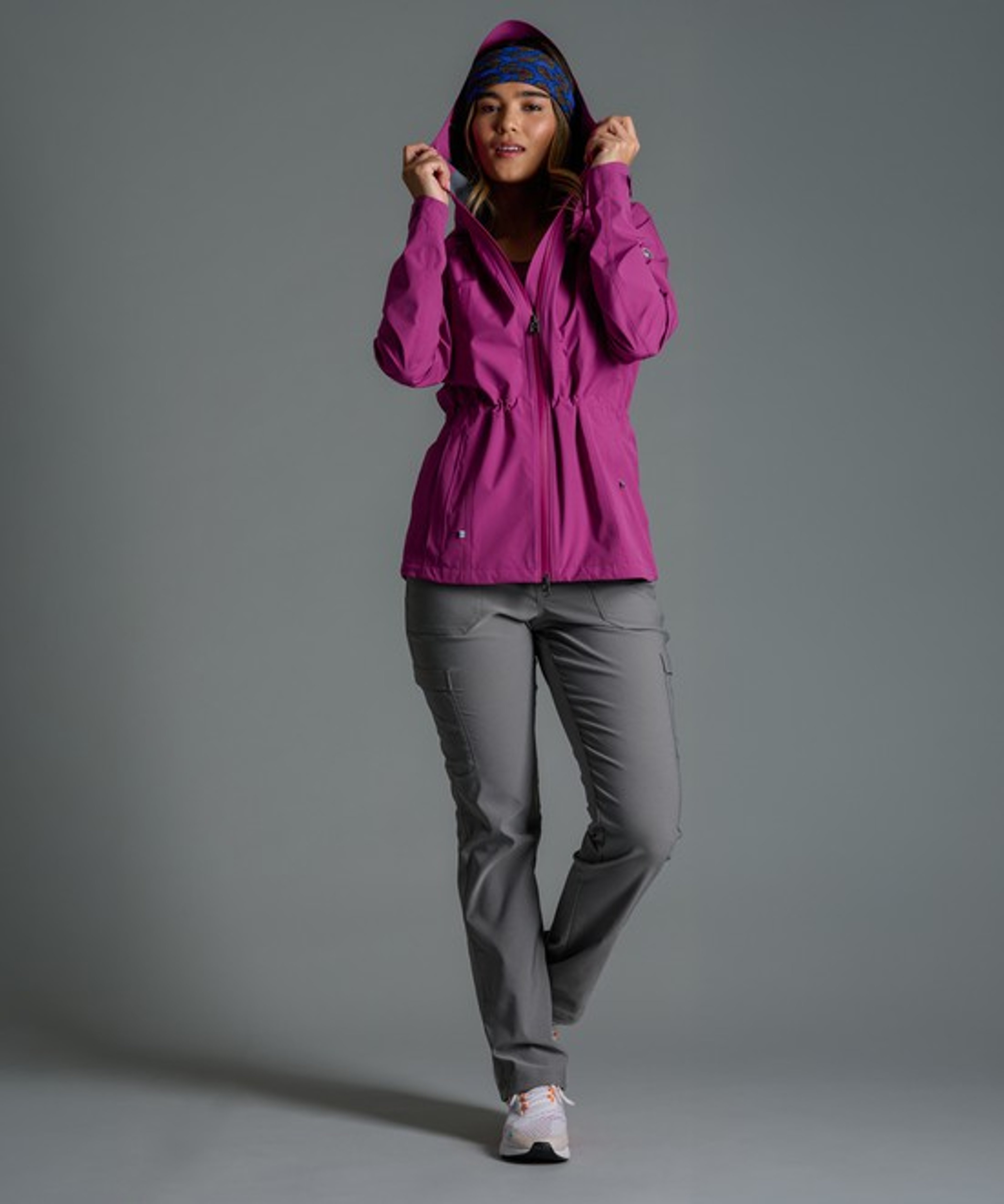
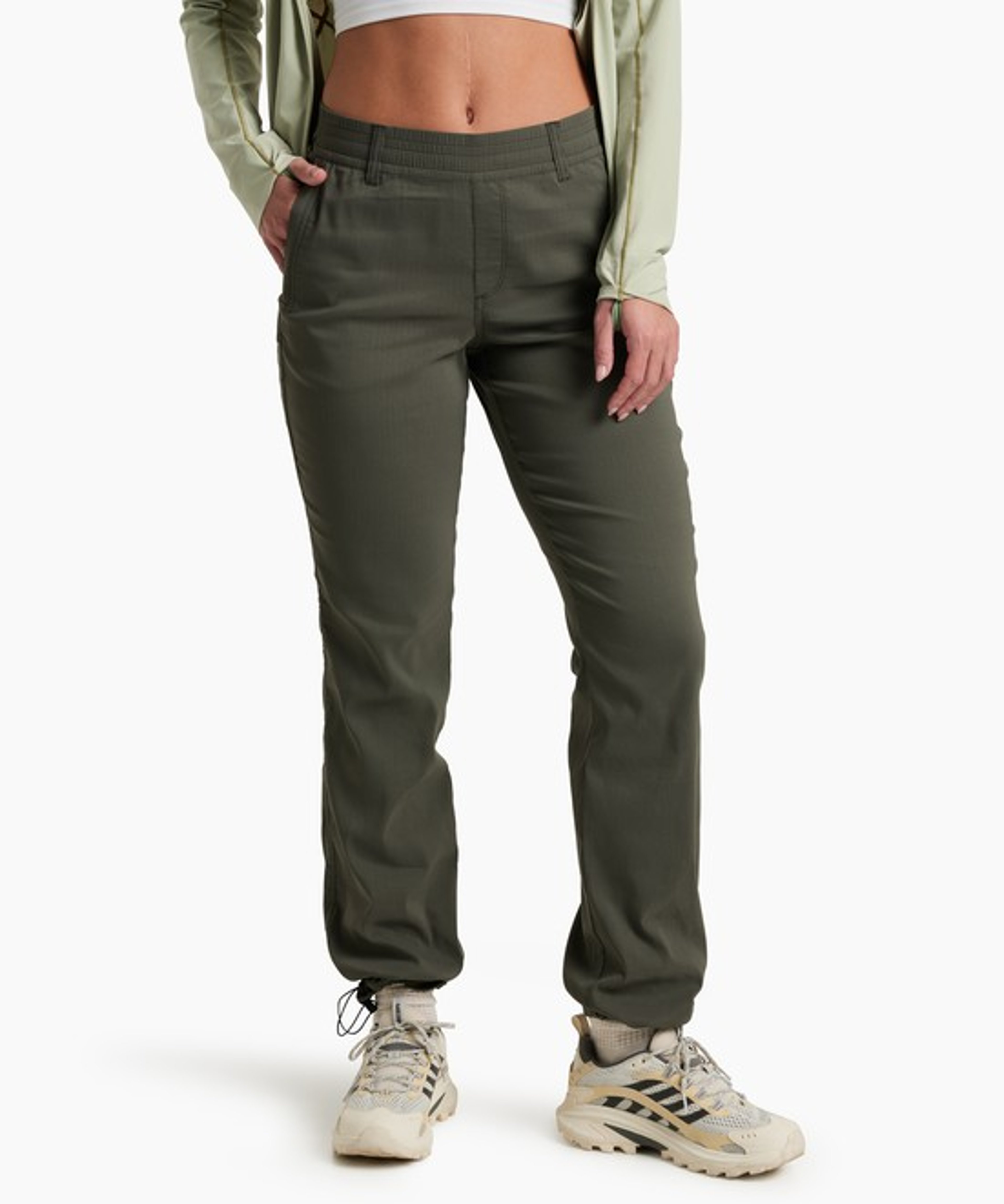
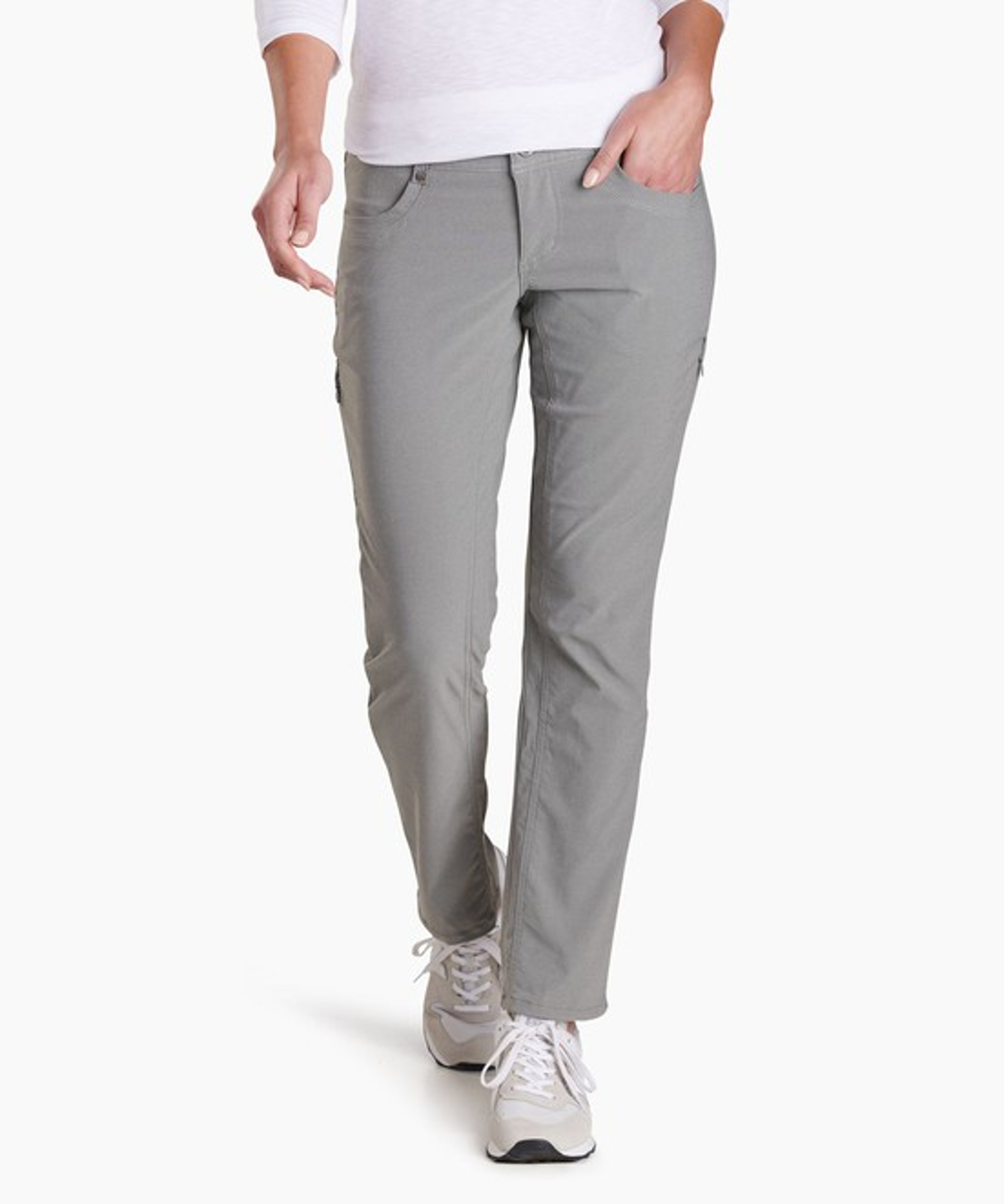
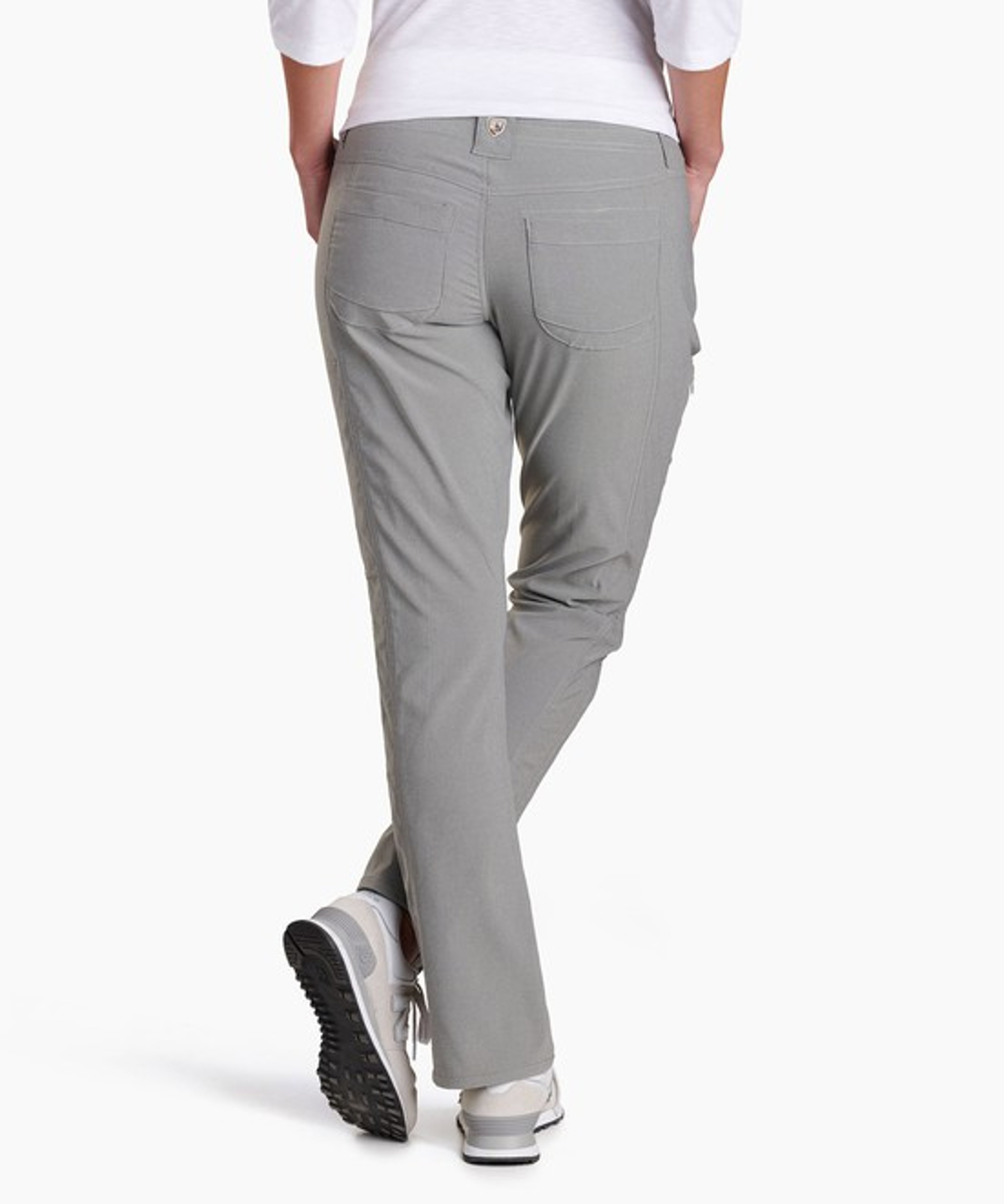
Stretch Softshell Performance. FREEFLEX™ delivers soft, lightweight stretch that rebounds with every stride so your hiking pants hold their form mile after mile. A FreeRyde™ waistband sits flat under a pack hipbelt, and 4-way stretch paired with a gusseted crotch and articulated knees keeps high steps and scrambles unrestricted.
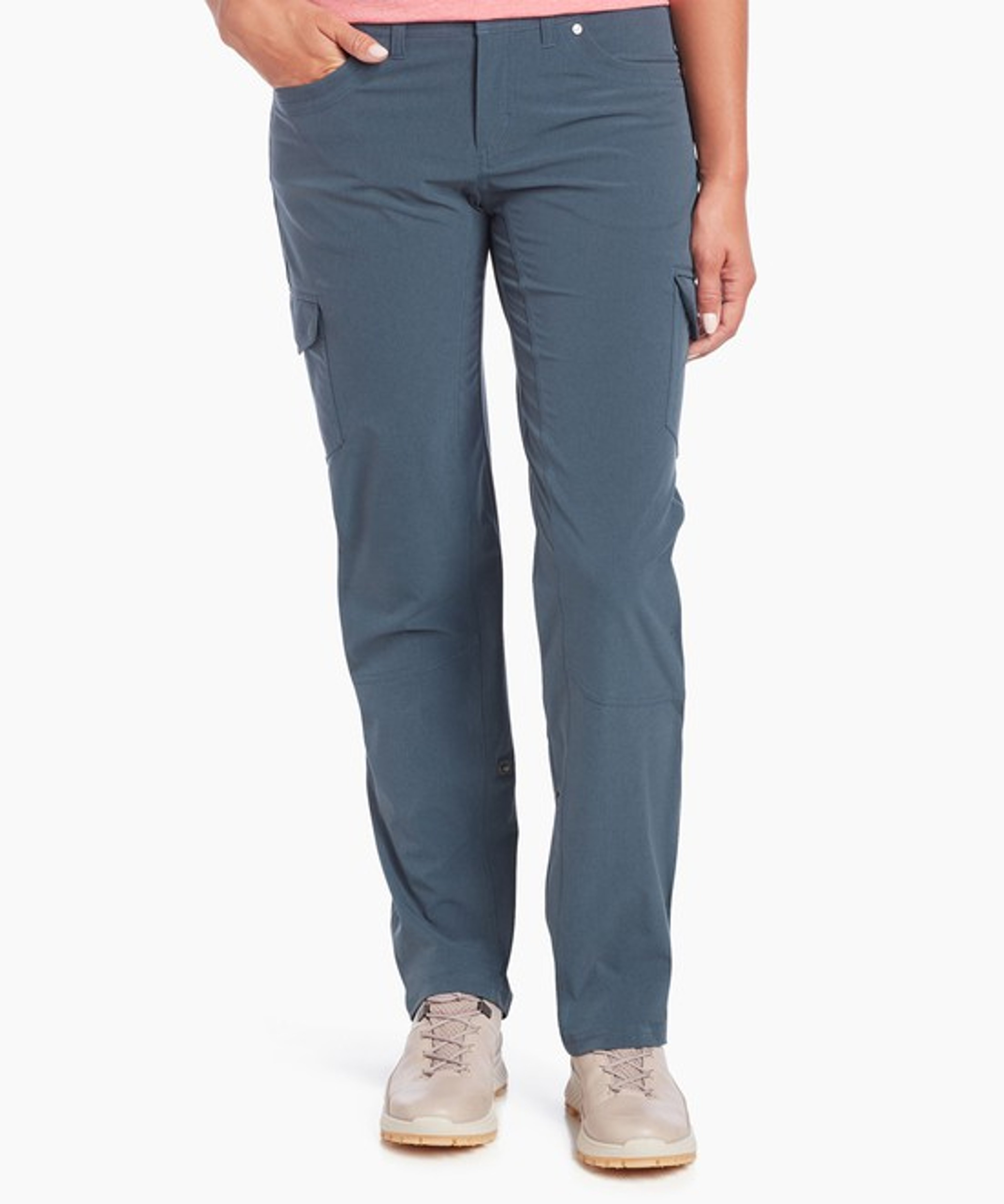
Lightweight Trail Protection. For long sun-exposed days, look for hiking pants built from a DURALUX™ softshell with a DWR finish and UPF 50+ sun protection. The fabric sheds light rain, dries fast after a creek splash, and stays comfortable against skin without the clamminess of cotton.
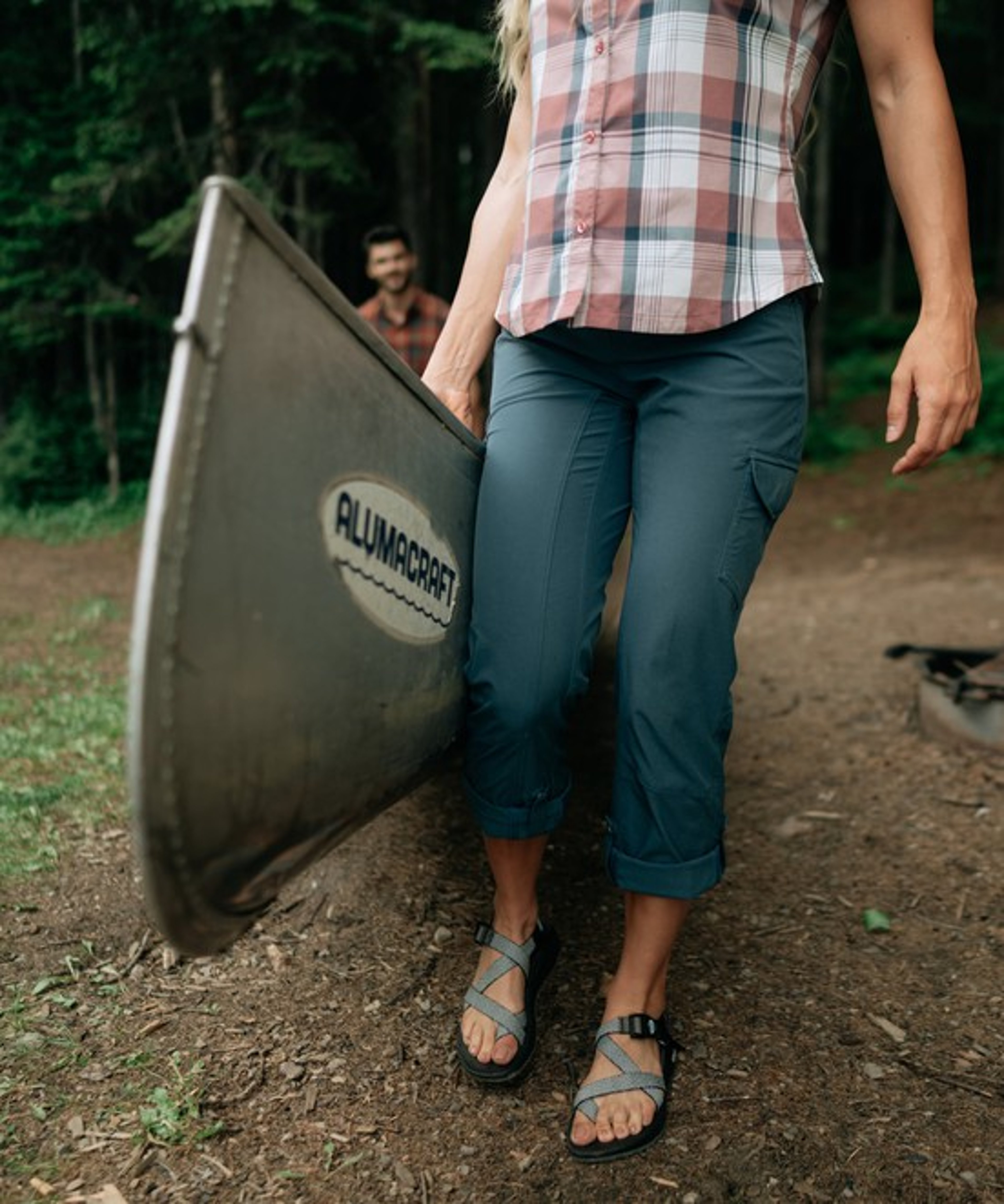
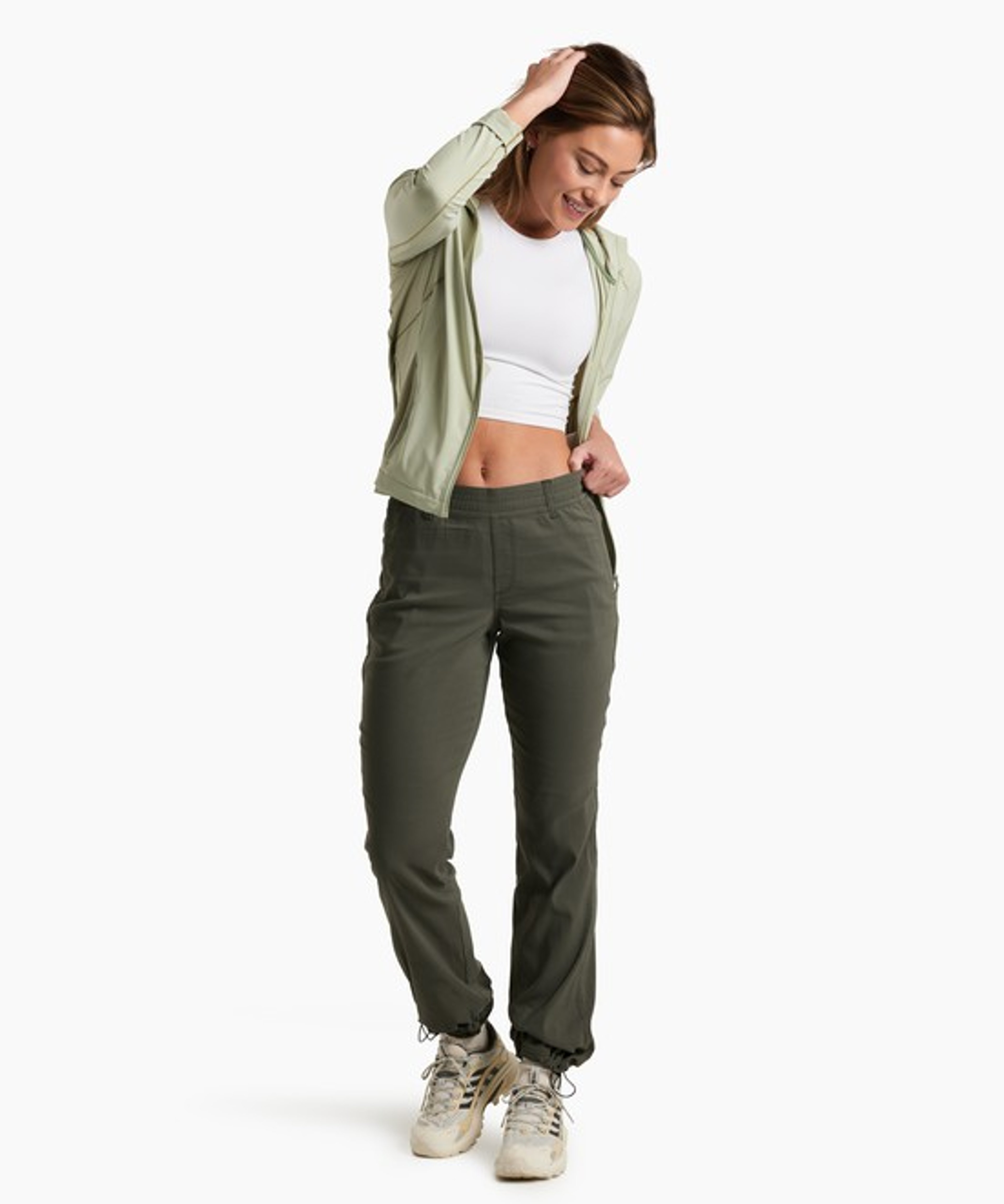
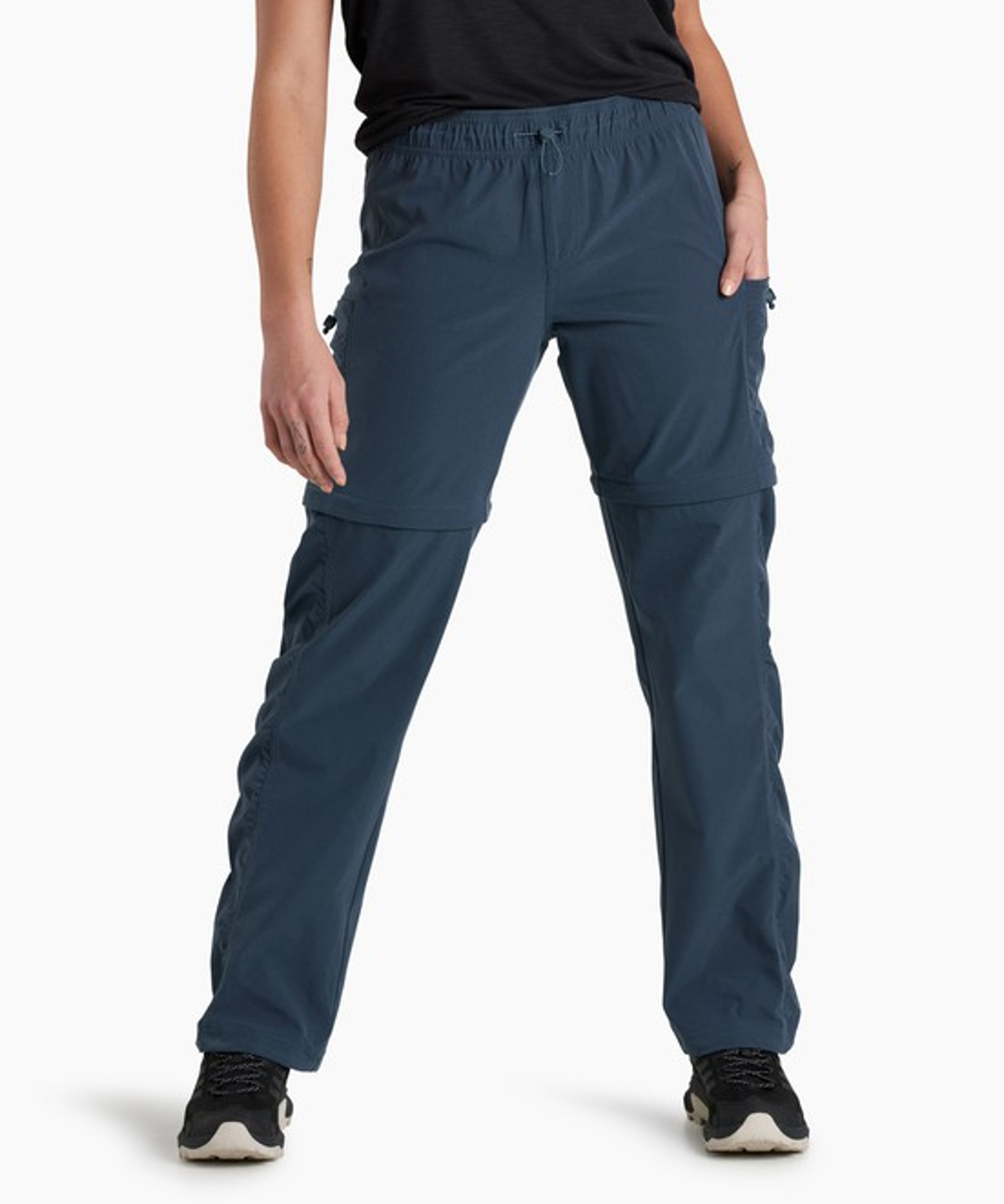
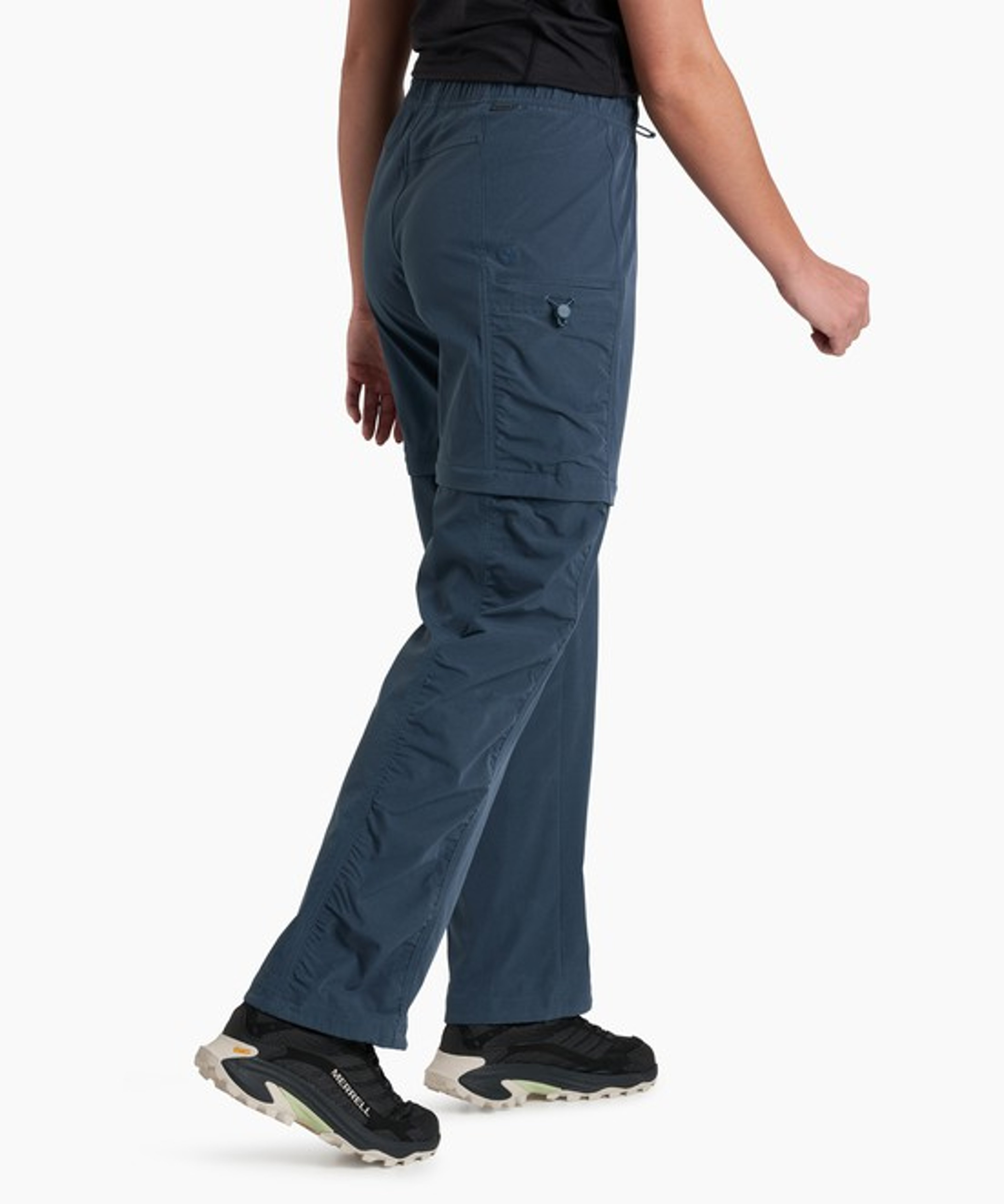
Roll-Up Versatility. Convertible hiking pants snap up into a capri when the trail heats up, then drop back down when the wind kicks in or the brush thickens. Quick-dry construction and zippered pockets keep essentials secure through the swap.
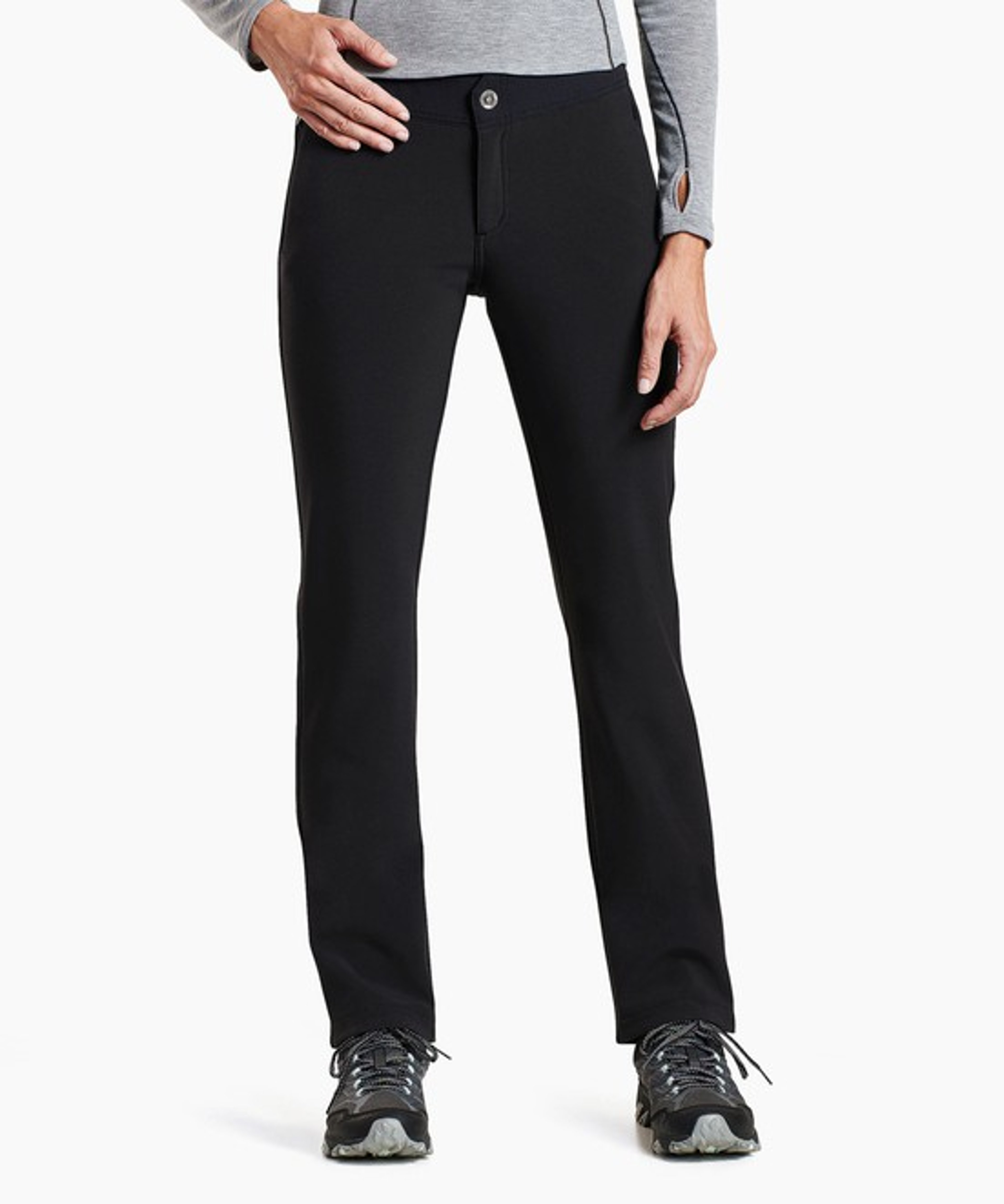
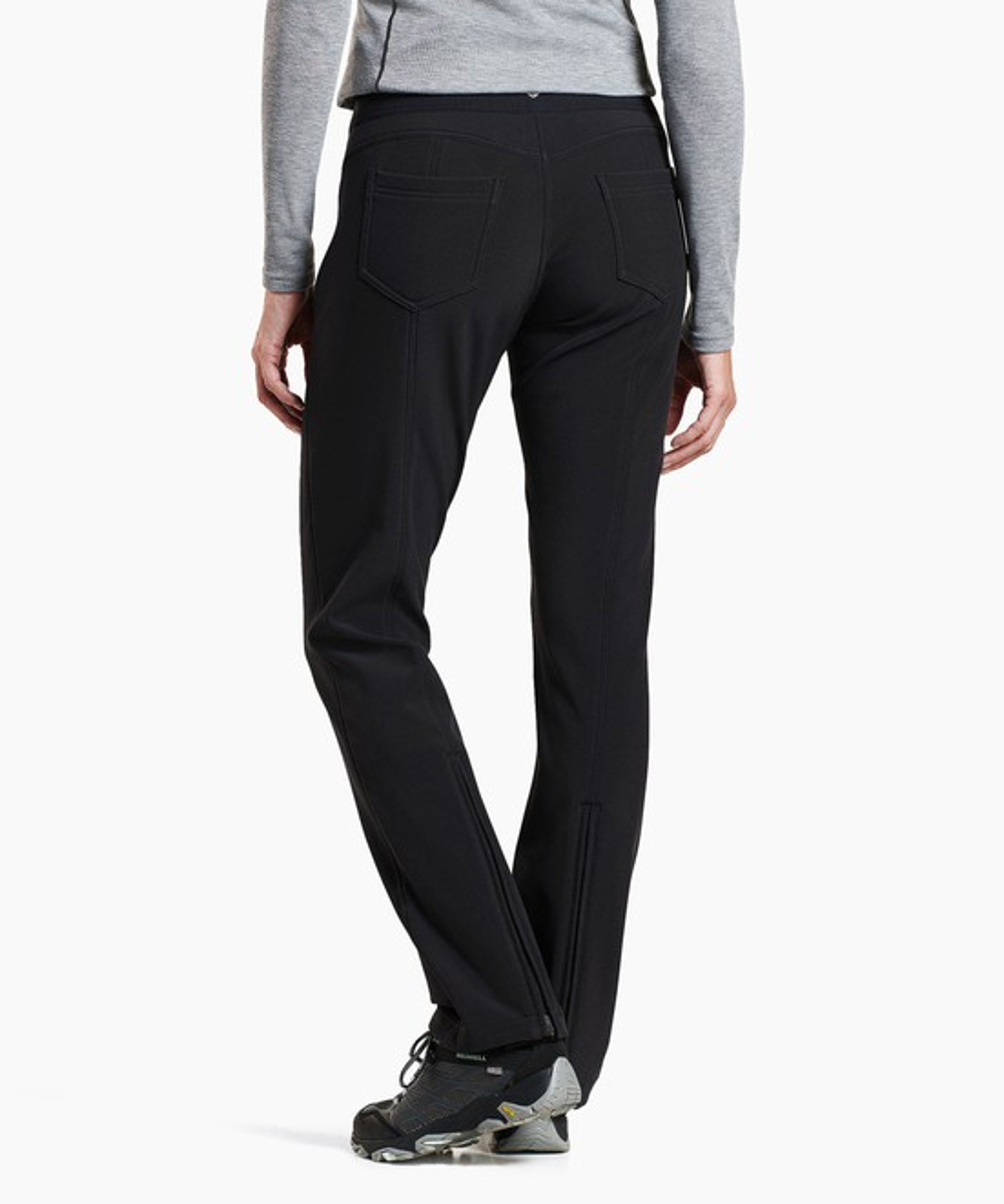
Cold-Weather Construction. When the season turns, choose softshell hiking pants with a bonded microfleece interior for warmth without bulk, plus boot-compatible hems that seal out snow. Layered over a women's baselayer, they handle shoulder-season trails without freezing you out.
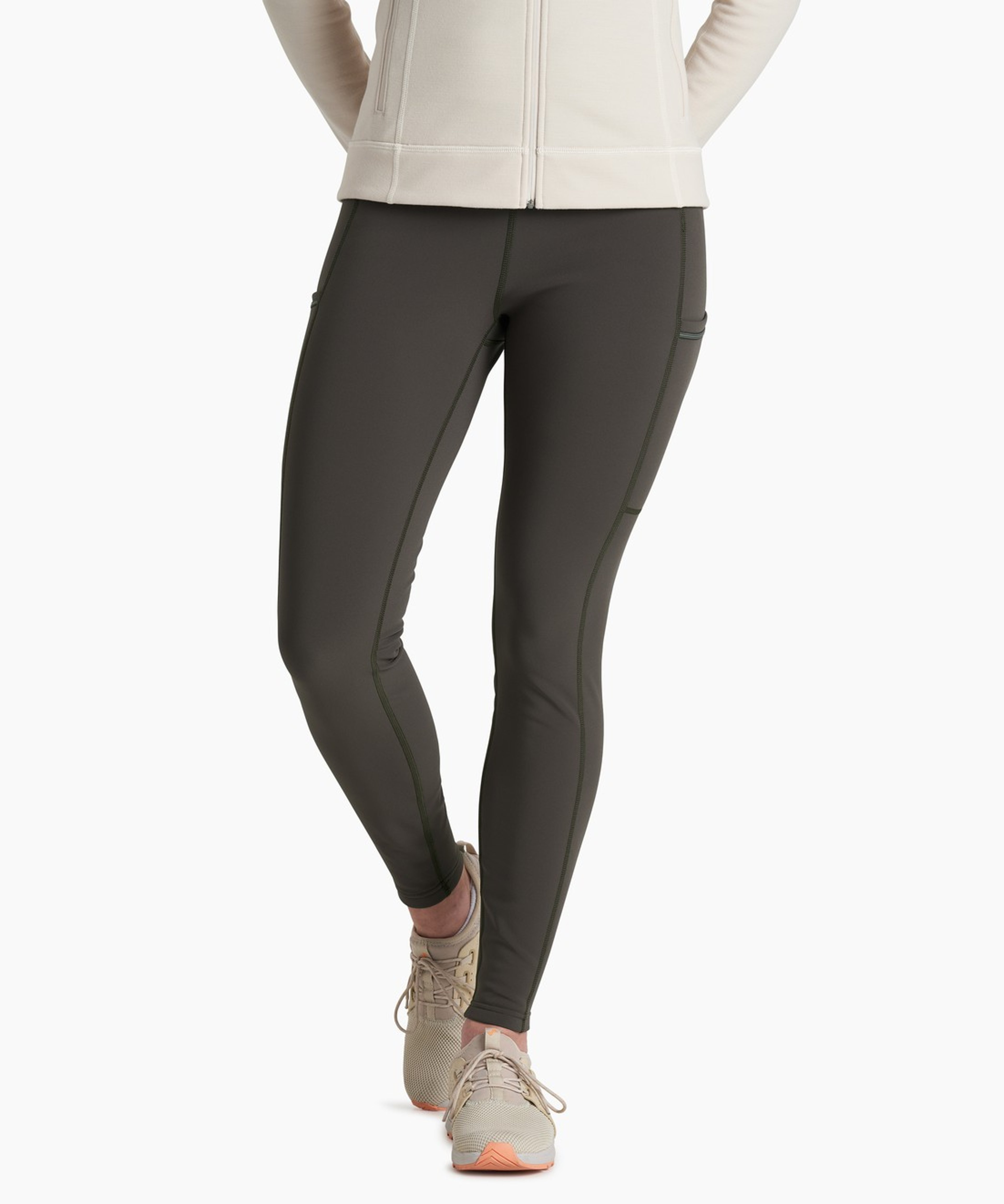
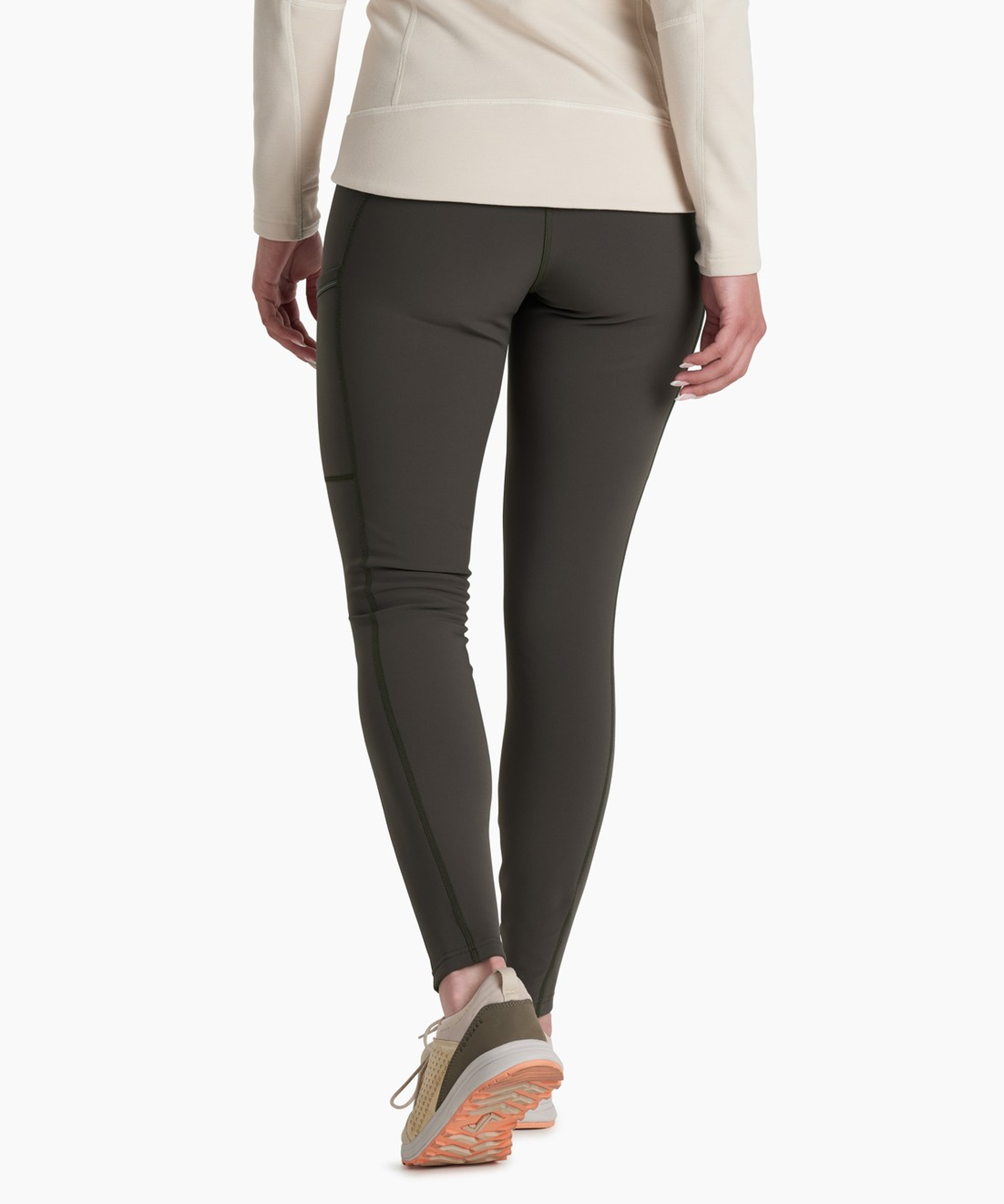
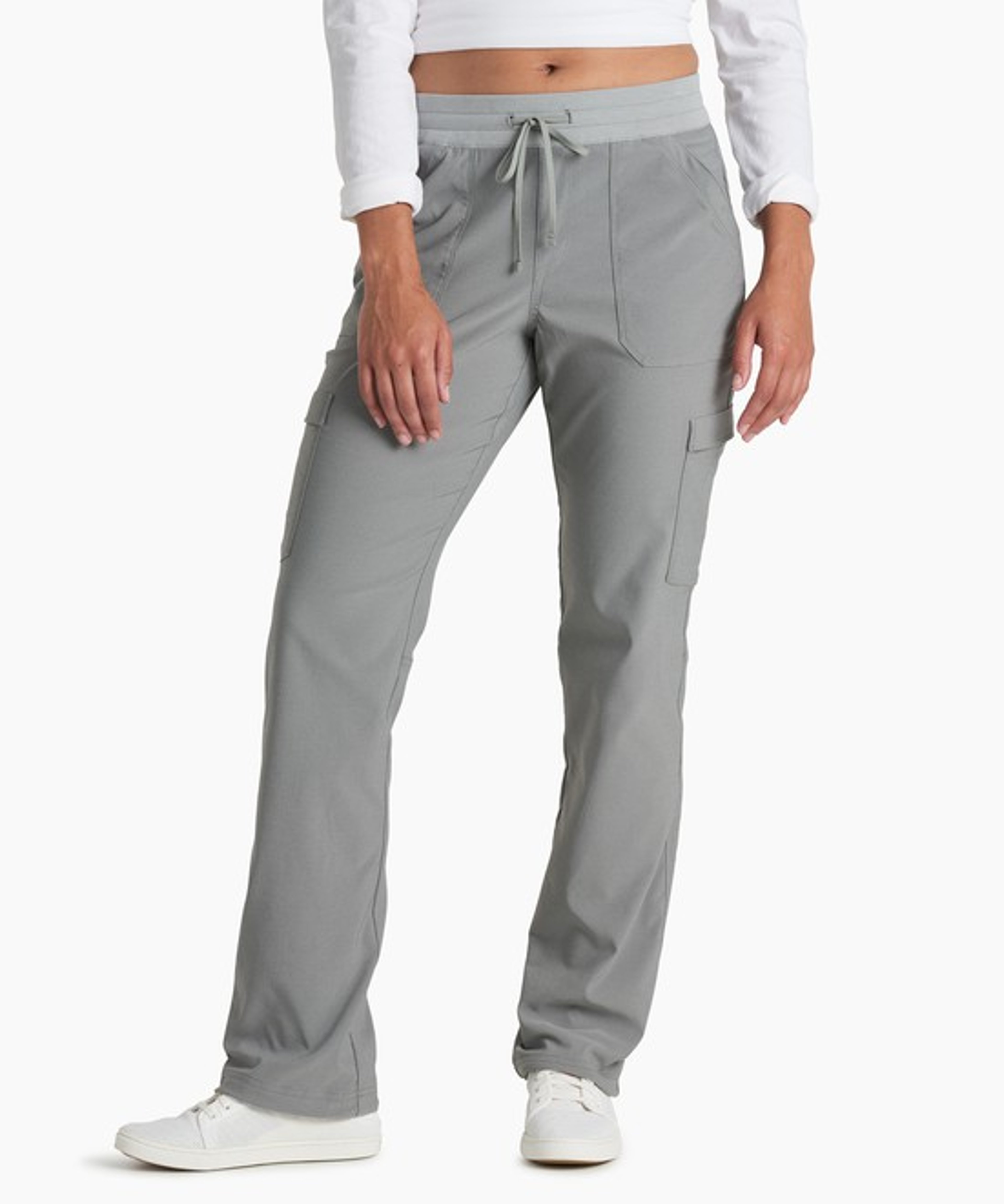
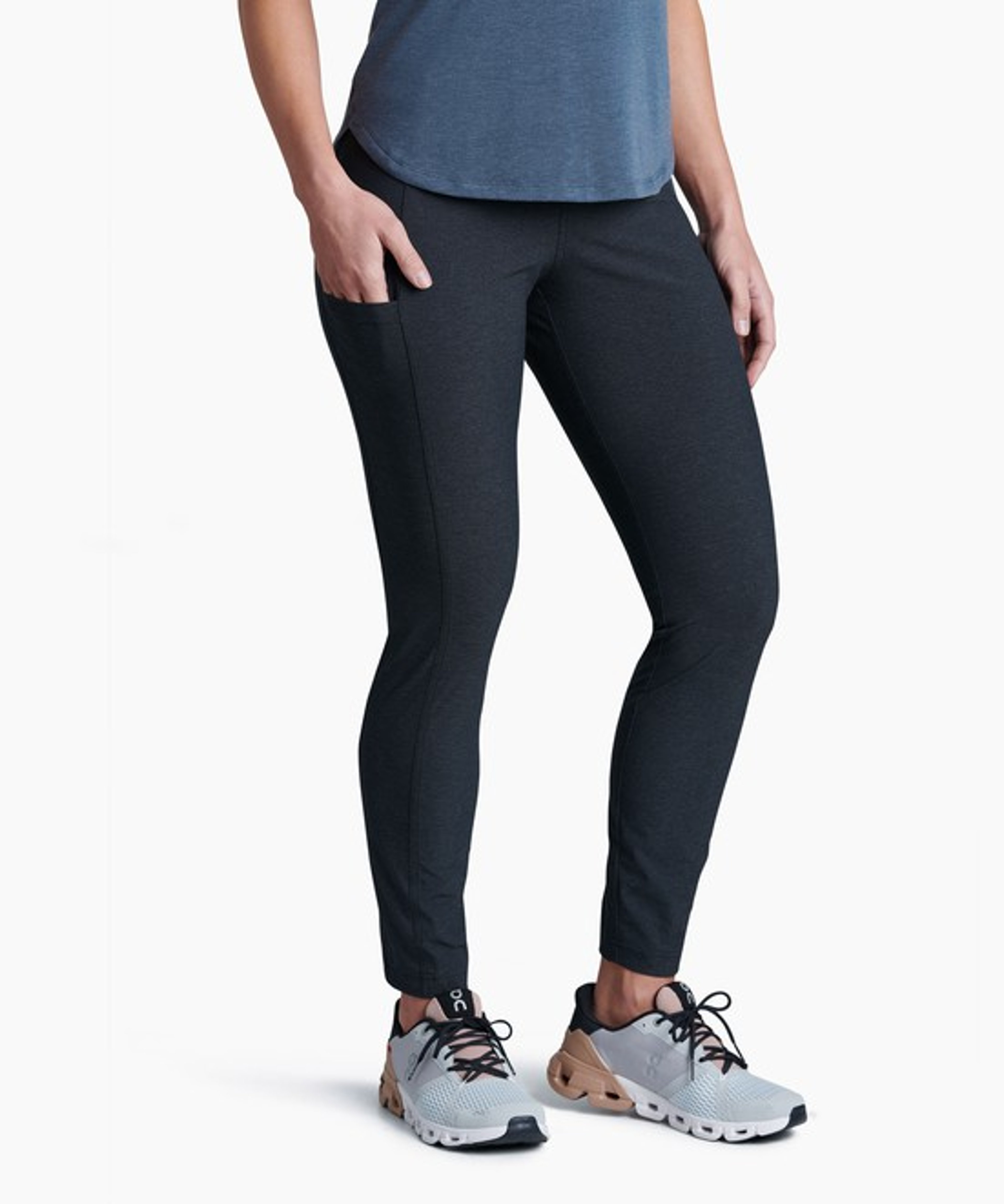
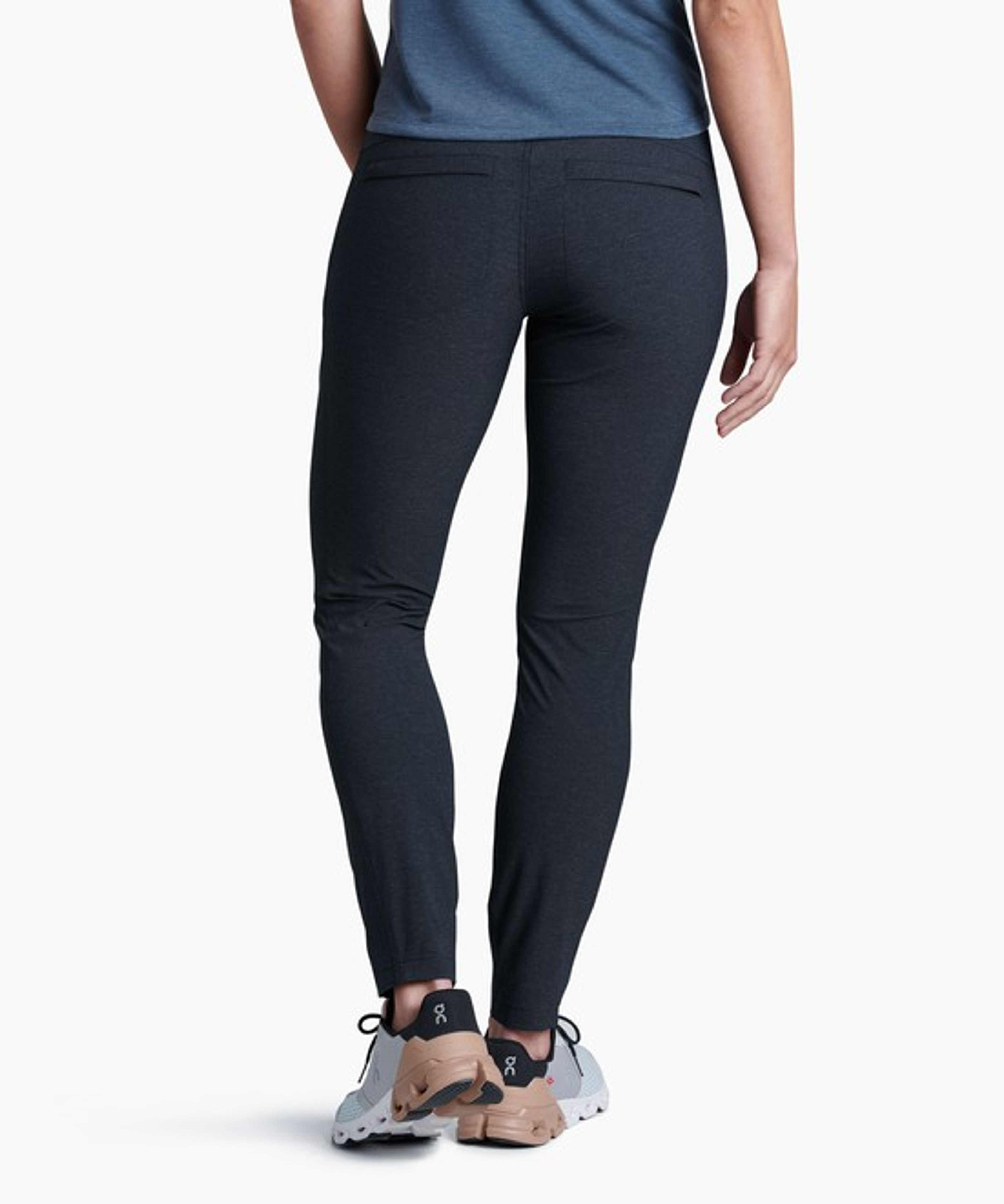
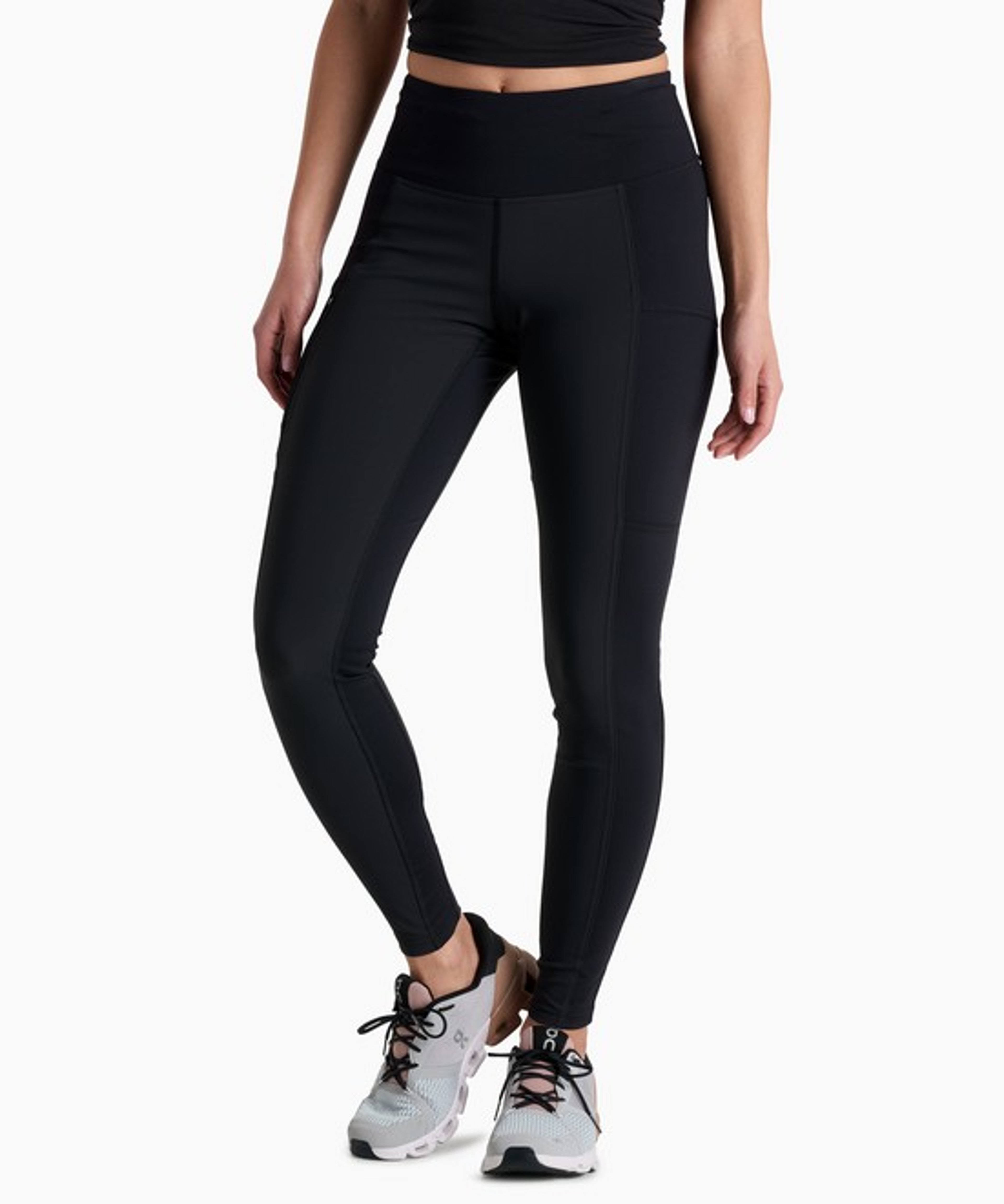
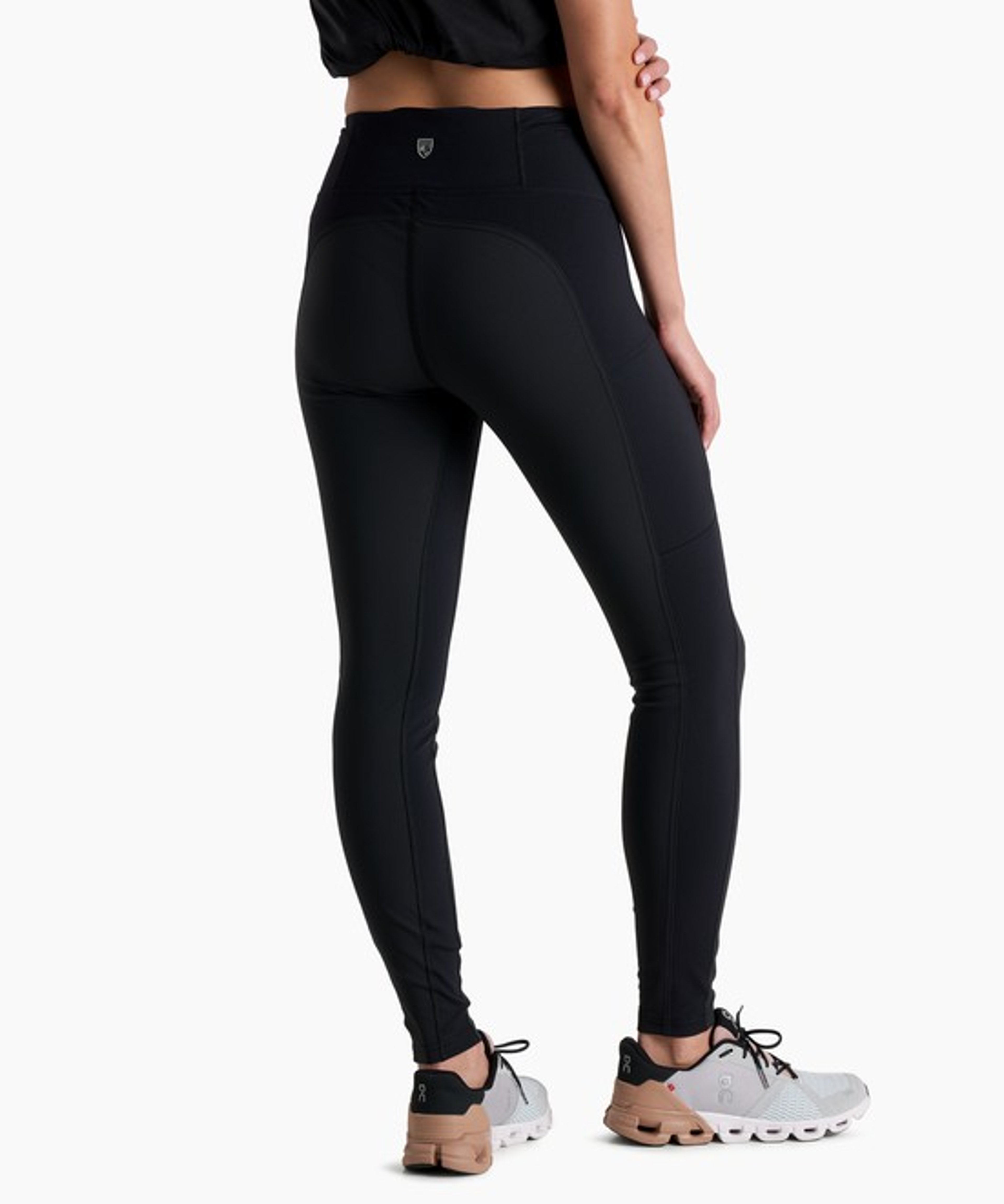
Tights-Inspired Mobility. For trails where you want the feel of women's leggings with the durability of a real pant, look for hiking pants that combine softshell construction with tights-grade flexibility: water-resistant outside, soft inside, with zippered low-profile pockets that don't bounce.
Look for signature touches like articulated knees for unrestricted stride, a gusseted crotch for high-step scrambles, hidden security pockets for IDs and cards, and roll-up snap tabs that let one pant cover summer through shoulder season.
Choose from a variety of fabrics, fits, and features for the women's hiking pants that fit how you actually move on trail:
Stretch Softshell Performance. FREEFLEX™ delivers soft, lightweight stretch that rebounds with every stride so your hiking pants hold their form mile after mile. A FreeRyde™ waistband sits flat under a pack hipbelt, and 4-way stretch paired with a gusseted crotch and articulated knees keeps high steps and scrambles unrestricted.
Lightweight Trail Protection. For long sun-exposed days, look for hiking pants built from a DURALUX™ softshell with a DWR finish and UPF 50+ sun protection. The fabric sheds light rain, dries fast after a creek splash, and stays comfortable against skin without the clamminess of cotton.
Roll-Up Versatility. Convertible hiking pants snap up into a capri when the trail heats up, then drop back down when the wind kicks in or the brush thickens. Quick-dry construction and zippered pockets keep essentials secure through the swap.
Cold-Weather Construction. When the season turns, choose softshell hiking pants with a bonded microfleece interior for warmth without bulk, plus boot-compatible hems that seal out snow. Layered over a women's baselayer, they handle shoulder-season trails without freezing you out.
Tights-Inspired Mobility. For trails where you want the feel of women's leggings with the durability of a real pant, look for hiking pants that combine softshell construction with tights-grade flexibility: water-resistant outside, soft inside, with zippered low-profile pockets that don't bounce.
Look for signature touches like articulated knees for unrestricted stride, a gusseted crotch for high-step scrambles, hidden security pockets for IDs and cards, and roll-up snap tabs that let one pant cover summer through shoulder season.
What to look for in women's hiking pants: the fabrics that move with you, the weather protection that holds up, and the fit details that matter on long trail days.
What should you look for in women's hiking pants?
The best women's hiking pants combine a stretch synthetic fabric, articulated knees, a gusseted crotch, a DWR finish, and UPF 50+ sun protection: features that handle real trail conditions without compromise.
Look for a FREEFLEX™ or DURALUX™ softshell with 4-way stretch that rebounds, so the pant holds its shape on the descent as well as it did at the trailhead. A FreeRyde™ waistband sits flat under a pack hipbelt instead of digging in. Zippered or secured pockets matter more than pocket count. Anything that flaps open empties out on a scramble.
Look for a FREEFLEX™ or DURALUX™ softshell with 4-way stretch that rebounds, so the pant holds its shape on the descent as well as it did at the trailhead. A FreeRyde™ waistband sits flat under a pack hipbelt instead of digging in. Zippered or secured pockets matter more than pocket count. Anything that flaps open empties out on a scramble.
Are jeans or cotton pants OK for hiking, working, or traveling in?
No. Cotton is the fabric to avoid on the trail. It soaks up sweat and rain, takes hours to dry, and chills you fast once the temperature drops.
Synthetic nylon-spandex blends like DURALUX™ and FREEFLEX™ wick moisture, dry in minutes, and keep their stretch wet or dry. Jeans add weight, restrict your stride, and rub raw spots once they're damp. If the only pant in your closet is denim, treat any hike beyond a flat hour as a reason to invest in a proper technical pant.
Synthetic nylon-spandex blends like DURALUX™ and FREEFLEX™ wick moisture, dry in minutes, and keep their stretch wet or dry. Jeans add weight, restrict your stride, and rub raw spots once they're damp. If the only pant in your closet is denim, treat any hike beyond a flat hour as a reason to invest in a proper technical pant.
What's the difference between hiking, work, and travel pants?
Hiking pants prioritize stretch, breathability, UPF 50+, and quick-dry performance for miles of trail movement. Women's work pants lean on heavier, abrasion-resistant fabrics and reinforced knees built for jobsite durability. Women's travel pants sit in the middle, lighter, dressier, packable, with secured pockets for passports and a silhouette that reads at dinner as well as on the plane.
A hiking pant can pull double duty for casual travel, but a true work pant is usually too heavy and too structured for a hot summer ridgeline.
A hiking pant can pull double duty for casual travel, but a true work pant is usually too heavy and too structured for a hot summer ridgeline.
What's the best fit for hiking pants, slim, relaxed, or wide-leg?
Fit is a personal-preference call. Real mobility comes from construction, not silhouette. Articulated knees and a gusseted crotch matter far more than whether the leg is slim, relaxed, or wide.
A slim or tapered cut tucks cleanly into boots and gaiters and keeps fabric off brushy trails. A relaxed cut runs cooler and gives more room over a baselayer in cold weather. Wide-leg cuts read more lifestyle and trade some technical fit for airflow. Across all three, the test is the same: can you take a high step onto a rock without the waistband digging in or the inseam pulling tight?
A slim or tapered cut tucks cleanly into boots and gaiters and keeps fabric off brushy trails. A relaxed cut runs cooler and gives more room over a baselayer in cold weather. Wide-leg cuts read more lifestyle and trade some technical fit for airflow. Across all three, the test is the same: can you take a high step onto a rock without the waistband digging in or the inseam pulling tight?
What should you wear in hot vs cold weather?
In hot weather, choose lightweight hiking pants with UPF 50+, mesh ventilation, and quick-dry construction, or a roll-up style that converts to a capri when the sun hits. The synthetic fabric does more work than bare legs for sun protection and bug defense.
In cold weather, switch to a softshell hiking pant with a brushed interior or a bonded microfleece lining, layered over thermal baselayer bottoms. Boot-compatible hems and a DWR finish keep snow and slush out of the cuff so the warmth you started with stays inside.
In cold weather, switch to a softshell hiking pant with a brushed interior or a bonded microfleece lining, layered over thermal baselayer bottoms. Boot-compatible hems and a DWR finish keep snow and slush out of the cuff so the warmth you started with stays inside.
Are hiking pants waterproof, or just water-resistant?
Most hiking pants are water-resistant, not waterproof. A DWR finish on a DURALUX™ or FREEFLEX™ softshell beads off light rain, snow, and incidental splashes, and the fabric dries quickly after a soaking.
For sustained rain, a hiking pant alone isn't enough. Pair it with a dedicated hardshell rain pant pulled over the top. Treat the DWR coating as a comfort feature for variable weather, not a flotation device. Reproof it once the water stops beading. Modern DWR finishes refresh easily with a wash-in product.
For sustained rain, a hiking pant alone isn't enough. Pair it with a dedicated hardshell rain pant pulled over the top. Treat the DWR coating as a comfort feature for variable weather, not a flotation device. Reproof it once the water stops beading. Modern DWR finishes refresh easily with a wash-in product.