


Men's Technical Pants
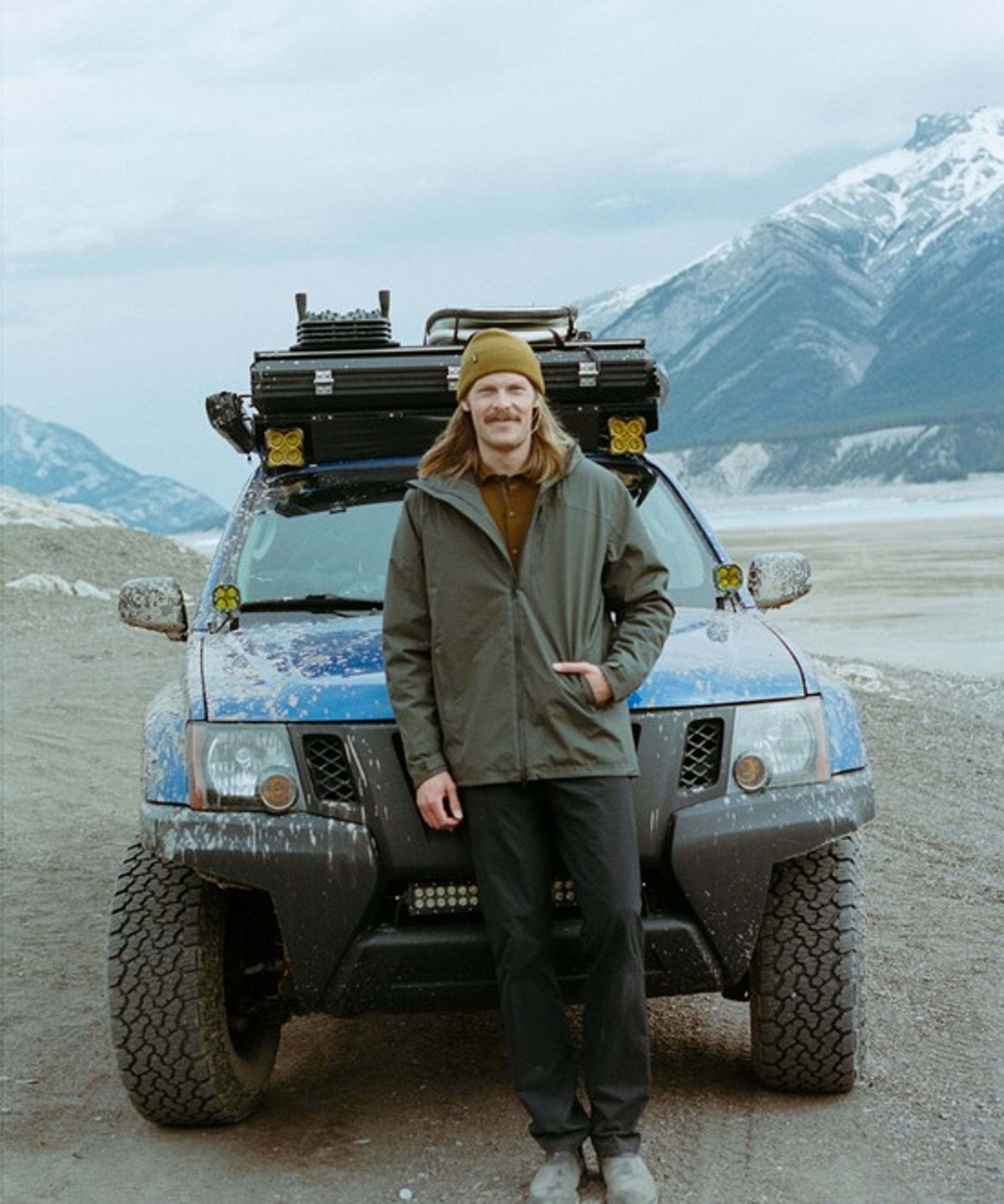
KÜHL Men's Technical Pants Are Built for the Day That Has More Than One Chapter.
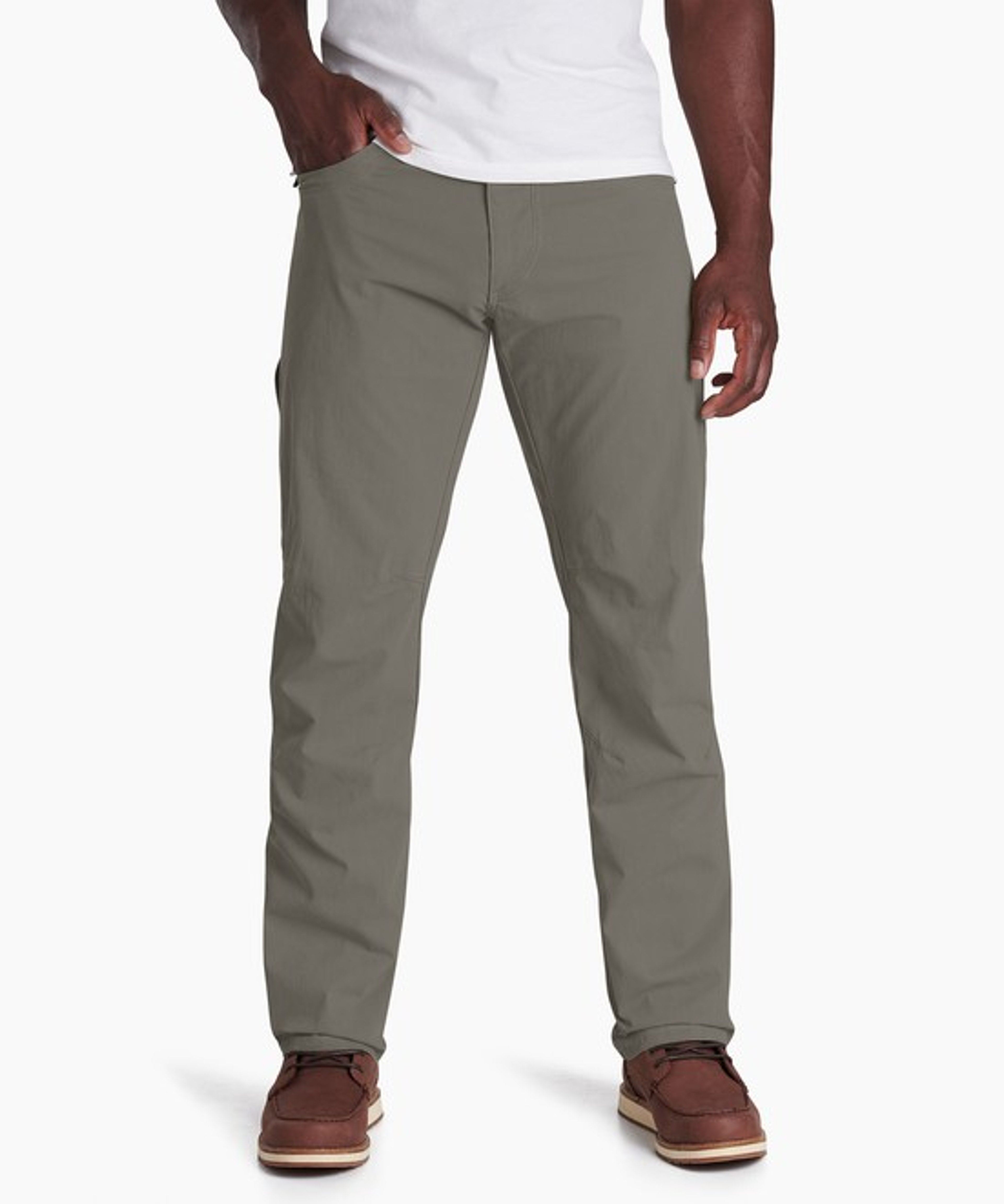
A climb in the morning, a meeting after, dinner somewhere with a view. These are the pants that move with you through all of it. Choose from a variety of fabrics, styles, and features for the men's technical pants that are right for you:
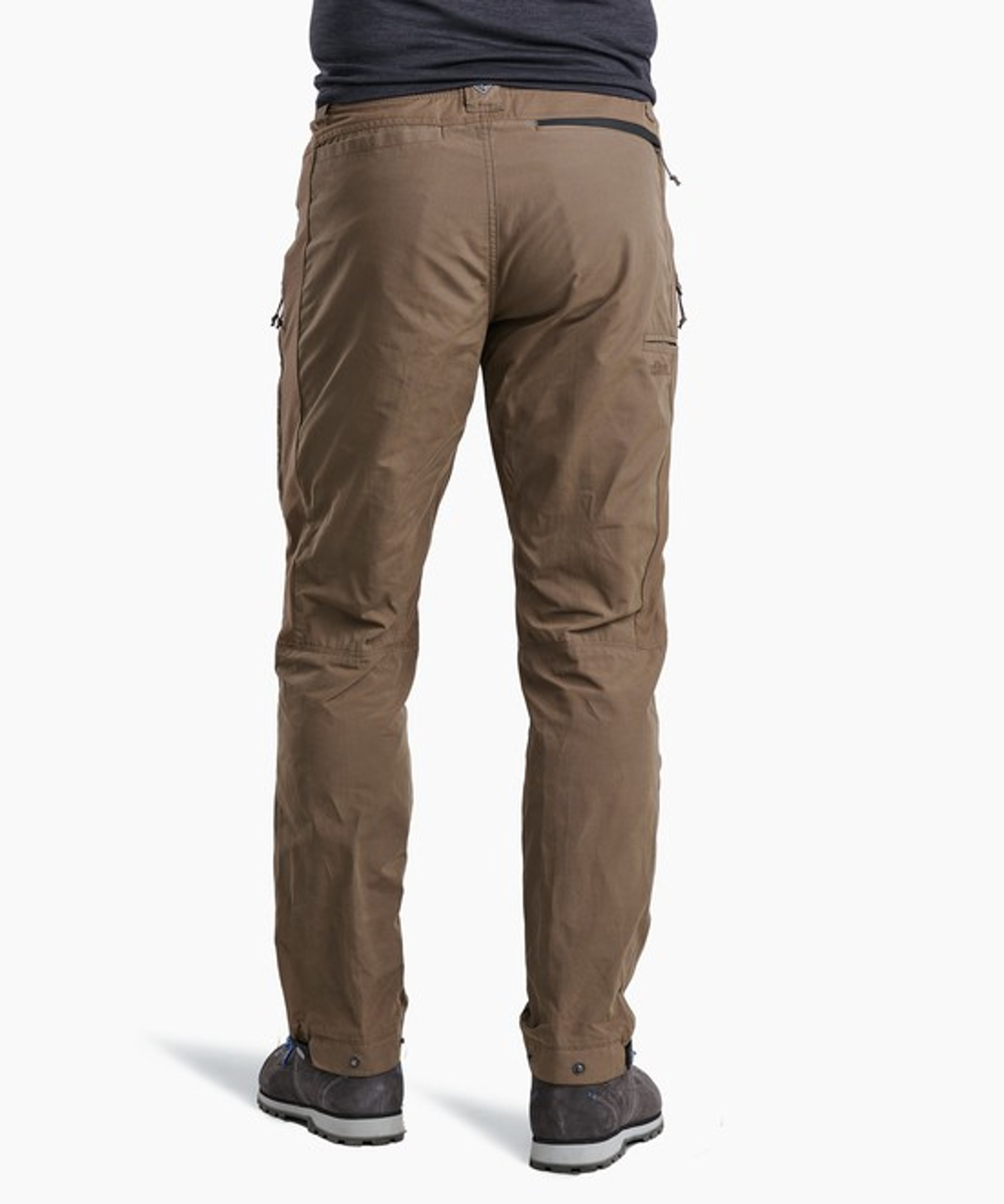
Softshell Performance. DURALUX™ is a nylon-spandex blend with a DWR finish and UPF 50+ sun protection. It's quick-dry, abrasion-resistant, and soft enough to wear straight through a temperature swing without reading as gear.
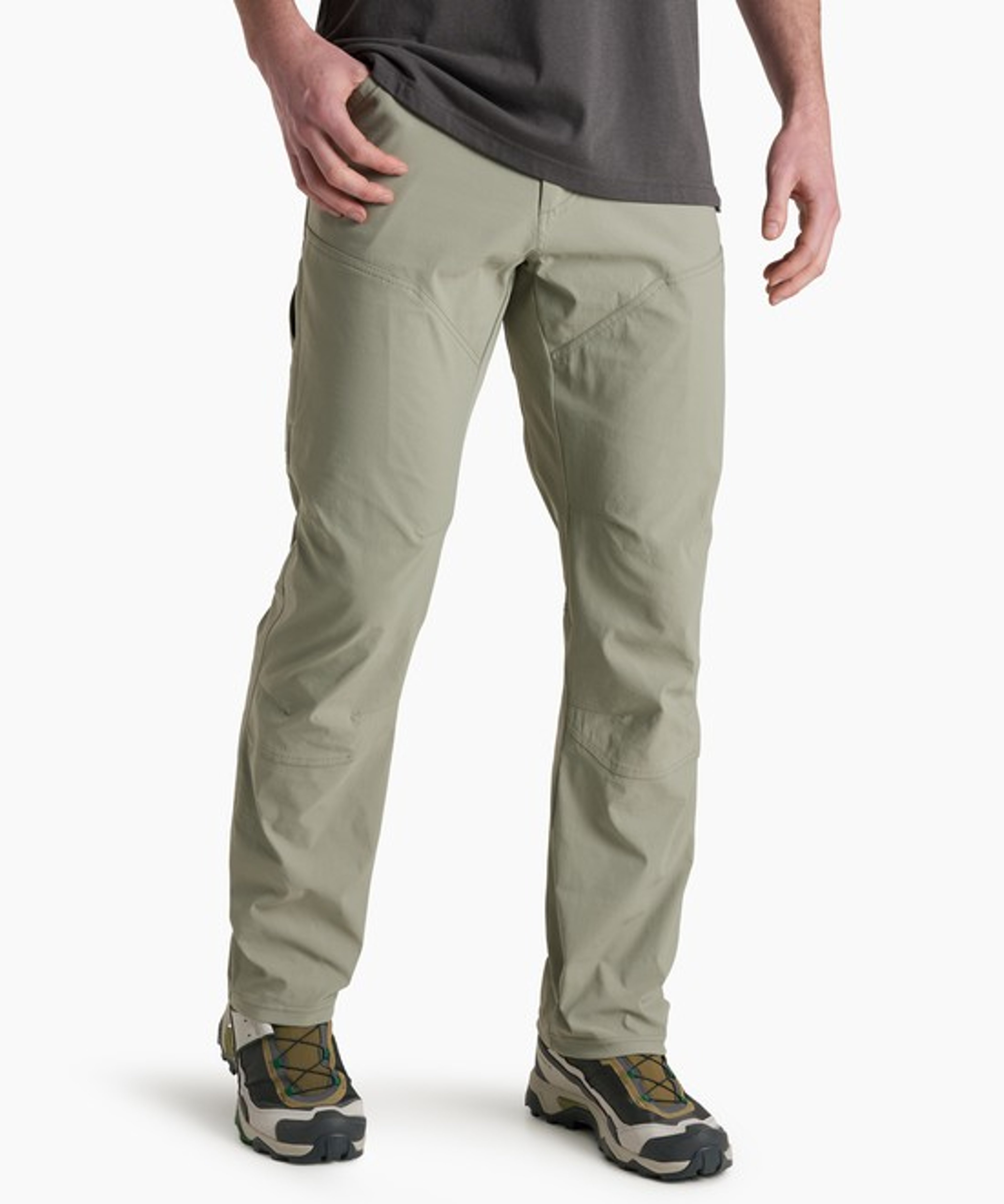
Built-In Stretch. REFLEX™ 4-way stretch fabric moves the way you move. Paired with articulated knees and a gusseted crotch, it delivers full range for scrambling, stepping over, sitting down, getting up, without the bunch and bind that betrays a stiffer pant.
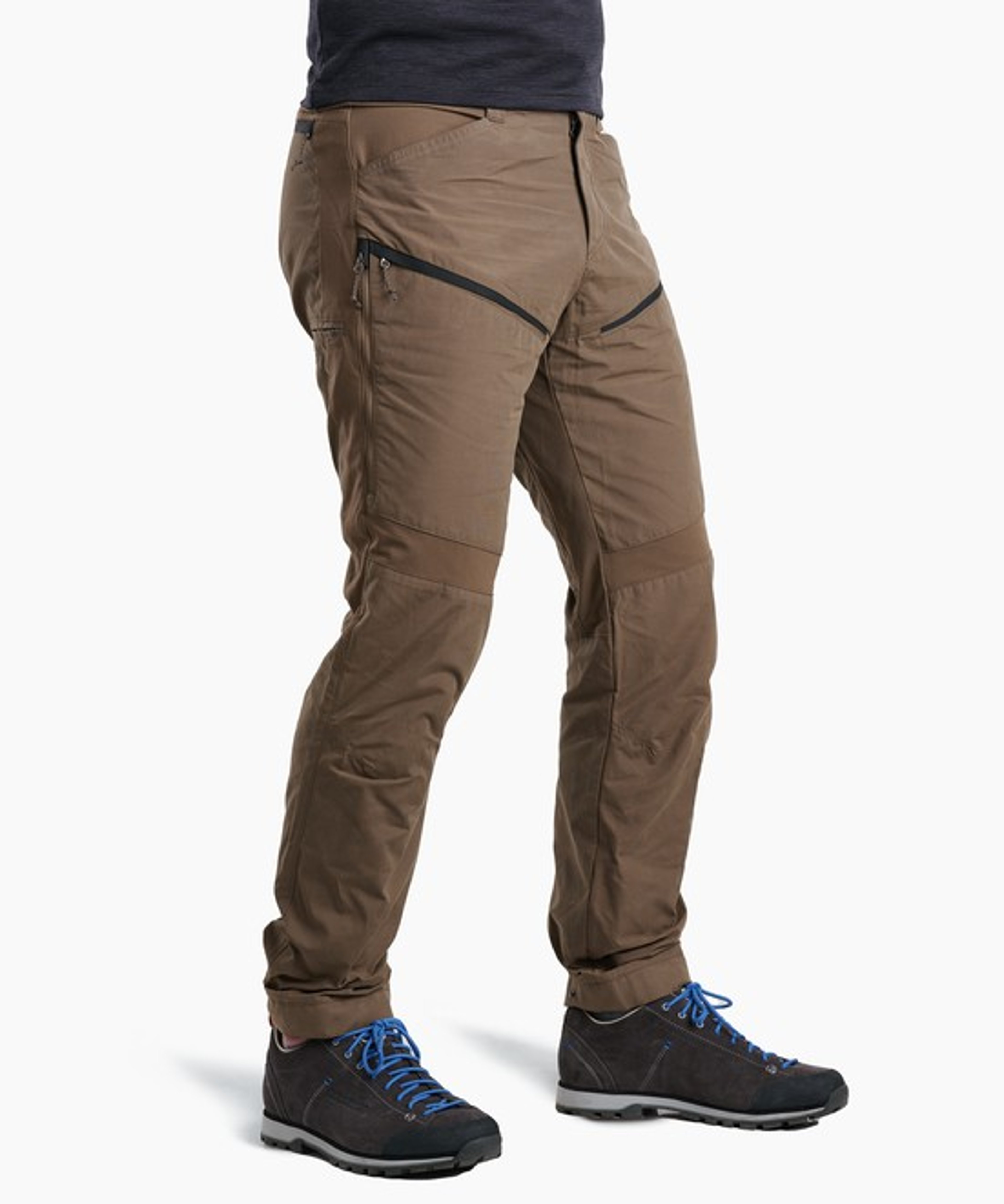
Reinforced Durability. ENDURO™ adds bite where it counts: a tougher weave for brush, granite, and the cargo bay of the truck. It's the fabric you want when the route gets technical and the pant has to take it.
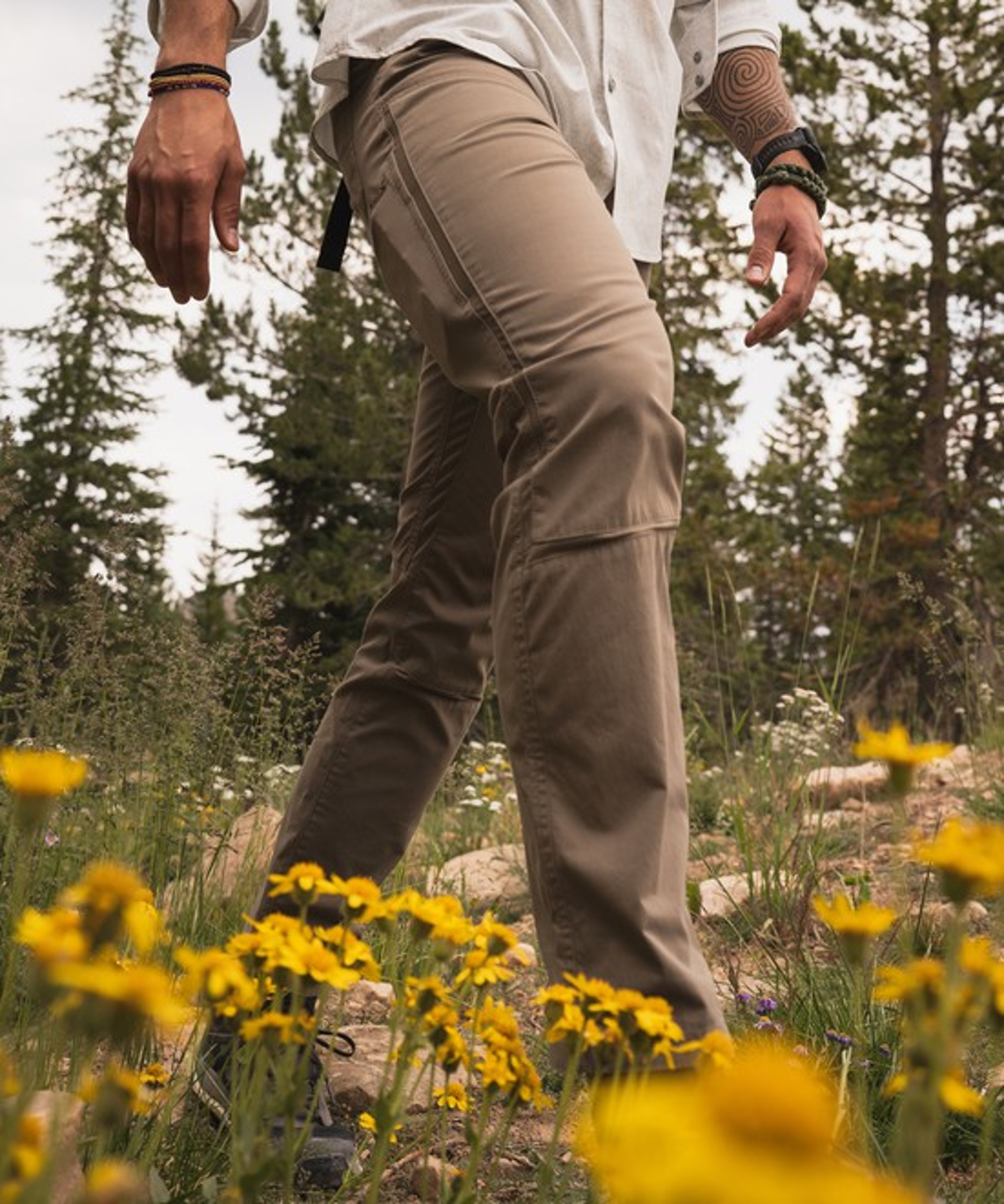
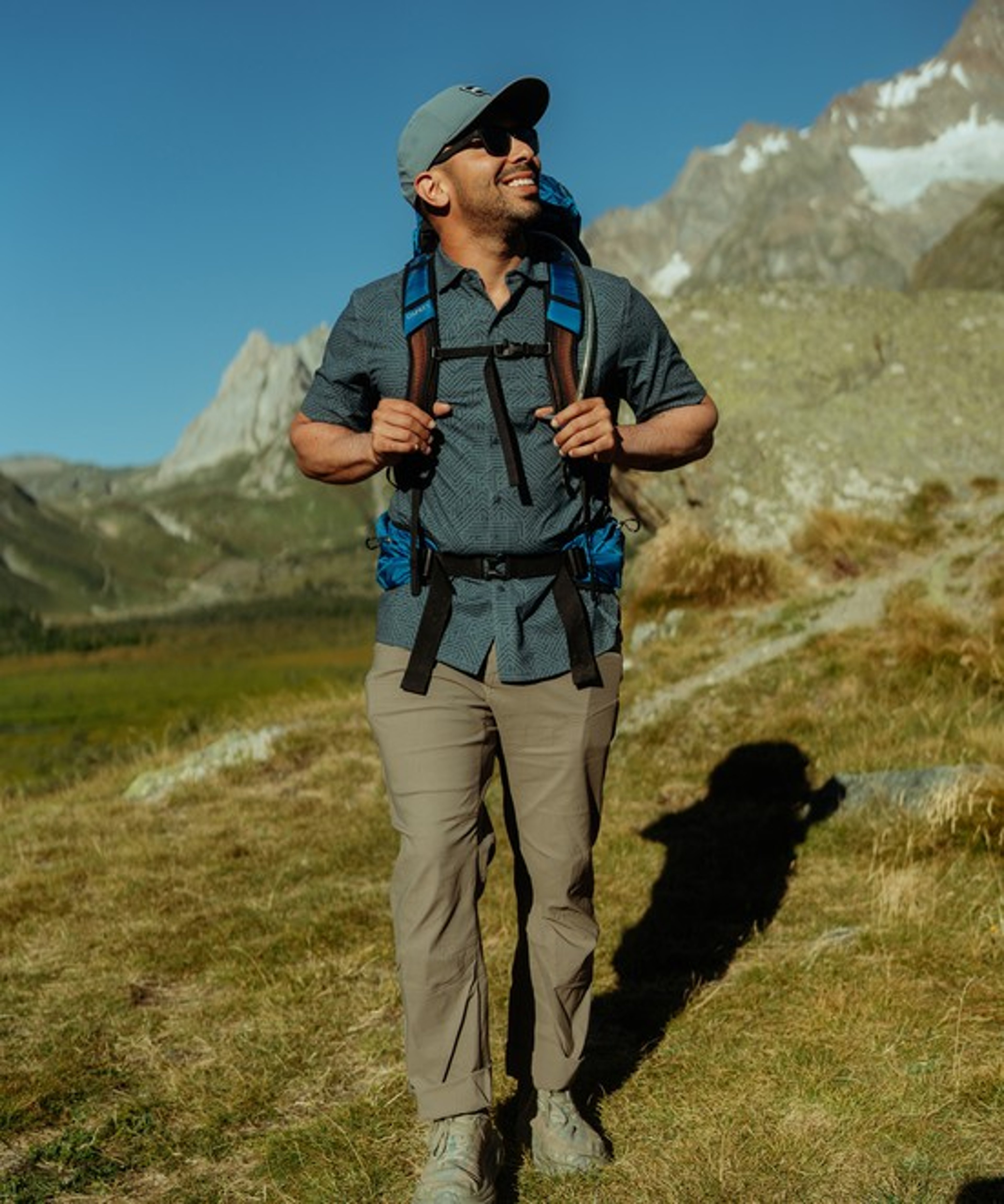
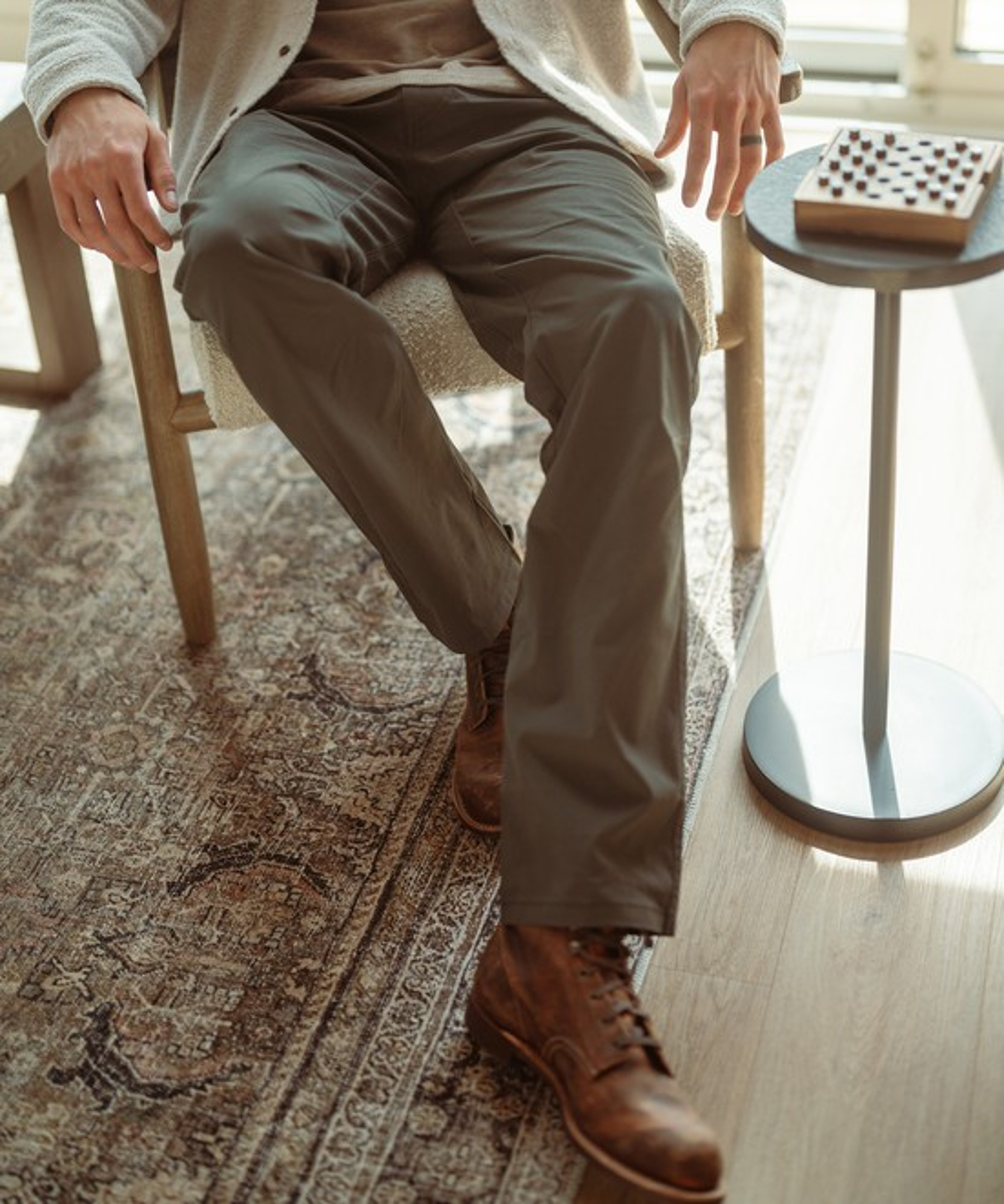
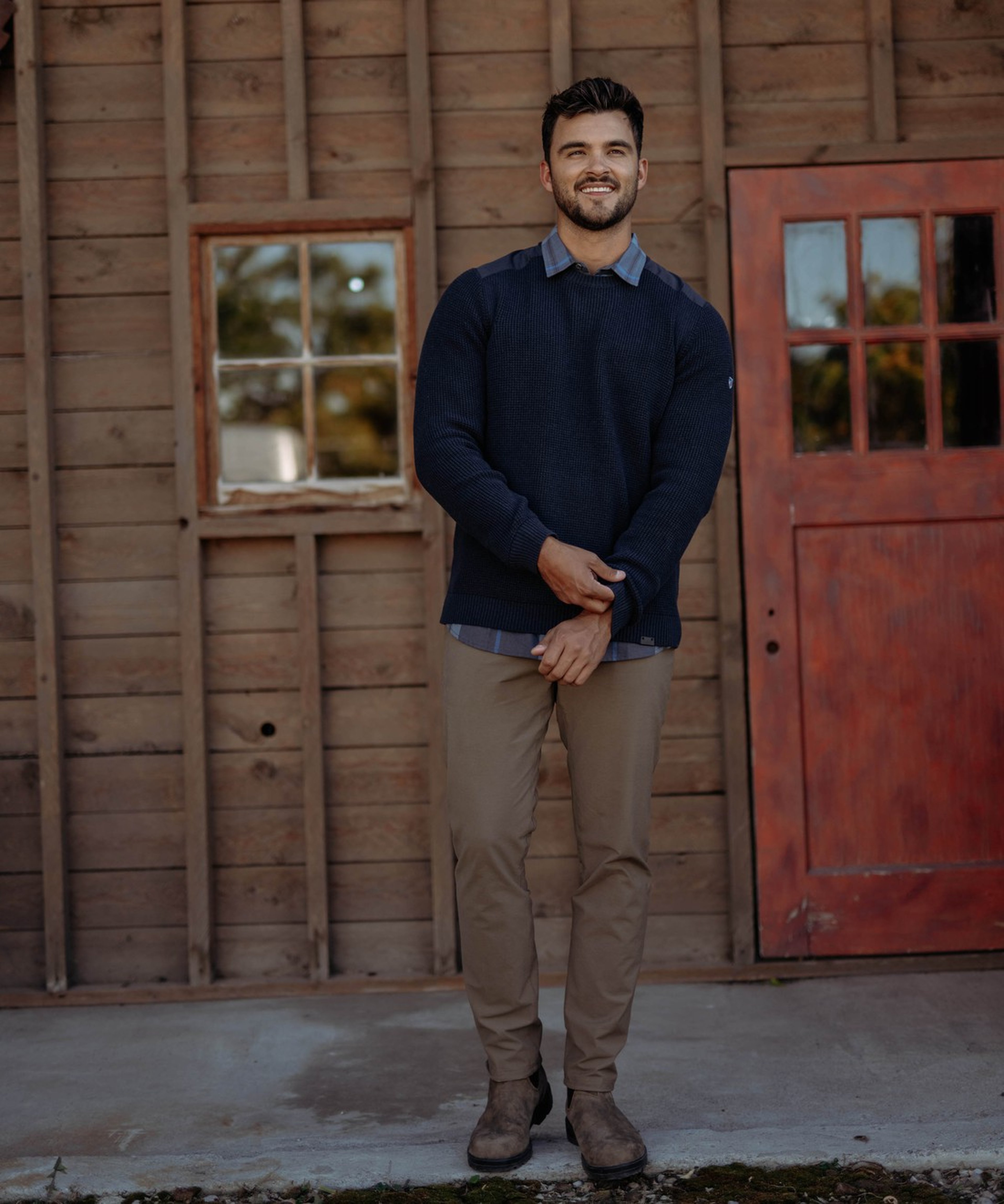
Trail-to-Town Versatility. Lightweight ripstop builds, mid-rise cuts, and clean lines mean these pants don't shout off the trail. Reach for our men's hiking pants when the trip is purpose-built, or step up to men's work pants when the day calls for heavier fabric and more reinforcement at the knee.
Hot-Weather Ventilation. Breathable weaves and mesh-lined pockets let heat out before it builds, while UPF 50+ keeps the sun off without the weight of a heavier pant.
When choosing, look for signature touches like KÜHL's FreeRyde™ waistband for all-day comfort under a pack, a gusseted crotch for unrestricted movement, articulated knees that follow your stride instead of fighting it, and a DWR finish that sheds light moisture so a surprise drizzle doesn't end the day.
A climb in the morning, a meeting after, dinner somewhere with a view. These are the pants that move with you through all of it. Choose from a variety of fabrics, styles, and features for the men's technical pants that are right for you:
Softshell Performance. DURALUX™ is a nylon-spandex blend with a DWR finish and UPF 50+ sun protection. It's quick-dry, abrasion-resistant, and soft enough to wear straight through a temperature swing without reading as gear.
Built-In Stretch. REFLEX™ 4-way stretch fabric moves the way you move. Paired with articulated knees and a gusseted crotch, it delivers full range for scrambling, stepping over, sitting down, getting up, without the bunch and bind that betrays a stiffer pant.
Reinforced Durability. ENDURO™ adds bite where it counts: a tougher weave for brush, granite, and the cargo bay of the truck. It's the fabric you want when the route gets technical and the pant has to take it.
Trail-to-Town Versatility. Lightweight ripstop builds, mid-rise cuts, and clean lines mean these pants don't shout off the trail. Reach for our men's hiking pants when the trip is purpose-built, or step up to men's work pants when the day calls for heavier fabric and more reinforcement at the knee.
Hot-Weather Ventilation. Breathable weaves and mesh-lined pockets let heat out before it builds, while UPF 50+ keeps the sun off without the weight of a heavier pant.
When choosing, look for signature touches like KÜHL's FreeRyde™ waistband for all-day comfort under a pack, a gusseted crotch for unrestricted movement, articulated knees that follow your stride instead of fighting it, and a DWR finish that sheds light moisture so a surprise drizzle doesn't end the day.
Straight answers on fabric, fit, and weather: what makes a men's technical pant worth packing, and how to pick the right one for the day you actually have.
What should you look for in men's technical pants?
Look for stretch fabric, articulated knees, a gusseted crotch, a DWR finish, and UPF 50+ sun protection. Those features together cover mobility, weather, and skin protection in one pant.
The fabric is the foundation. A nylon-spandex blend like DURALUX™ gives you abrasion resistance, quick-dry performance, and enough softness to wear off the trail. REFLEX™ 4-way stretch adds the give you need for scrambling and long days in the saddle.
Construction is the second half of the equation. A FreeRyde™ waistband stays comfortable under a pack, articulated knees track with your stride, and reinforced seams hold up under load.
The fabric is the foundation. A nylon-spandex blend like DURALUX™ gives you abrasion resistance, quick-dry performance, and enough softness to wear off the trail. REFLEX™ 4-way stretch adds the give you need for scrambling and long days in the saddle.
Construction is the second half of the equation. A FreeRyde™ waistband stays comfortable under a pack, articulated knees track with your stride, and reinforced seams hold up under load.
Are jeans or cotton pants OK for hiking, working, or traveling in?
No: cotton is the wrong tool for any of those jobs. Cotton soaks up sweat and rain, takes hours to dry, and pulls heat from your body once it's wet. That's an inconvenience on a city block and a real problem on a ridge.
Synthetic-blend technical pants do the opposite. DURALUX™ and similar nylon-spandex fabrics shed moisture, dry in minutes, and stay warm against the skin when damp. They also stretch. A hike or a workday in stiff denim ends with you fighting your pants instead of the terrain. Save the jeans for the bar. For everything in between, see our men's travel pants when packability matters.
Synthetic-blend technical pants do the opposite. DURALUX™ and similar nylon-spandex fabrics shed moisture, dry in minutes, and stay warm against the skin when damp. They also stretch. A hike or a workday in stiff denim ends with you fighting your pants instead of the terrain. Save the jeans for the bar. For everything in between, see our men's travel pants when packability matters.
What's the difference between hiking, work, and travel pants?
Each is tuned to a different load and climate. Hiking pants prioritize stretch, breathability, and UPF 50+ for miles of trail movement. Work pants lean on heavier, abrasion-resistant fabric and reinforced knees for jobsite durability. Travel pants split the difference with lighter, more packable construction and a cleaner silhouette that reads well off the plane.
Technical pants are the overlap zone, built with stretch softshells like DURALUX™ and REFLEX™ that work across all three jobs without being optimized for any single one. If your day genuinely fits one bucket, go specific. If it doesn't, this is the page.
Technical pants are the overlap zone, built with stretch softshells like DURALUX™ and REFLEX™ that work across all three jobs without being optimized for any single one. If your day genuinely fits one bucket, go specific. If it doesn't, this is the page.
What's the best fit for technical pants, slim, relaxed, or wide-leg?
Fit comes second to construction. A gusseted crotch and articulated knees matter more than the silhouette label. Those two features decide whether the pant moves with you or fights you, regardless of leg width.
That said, slim cuts read more polished for travel and dinner. Relaxed and full fits give you more air in the heat and easier layering over a baselayer in the cold. Try a slim or straight leg if you want a pant that crosses into business-casual contexts. Choose relaxed or wide if you spend long days bent at the knee or wear your pants over boots.
That said, slim cuts read more polished for travel and dinner. Relaxed and full fits give you more air in the heat and easier layering over a baselayer in the cold. Try a slim or straight leg if you want a pant that crosses into business-casual contexts. Choose relaxed or wide if you spend long days bent at the knee or wear your pants over boots.
What should you wear in hot vs cold weather?
In hot weather, go lightweight ripstop with UPF 50+ and breathable weaves that vent as you move. Quick-dry fabric matters more than insulation. You're managing sweat, not cold.
In cold weather, switch to a heavier softshell with a DWR finish and layer a men's baselayer underneath. A softshell traps a thin film of warm air against the leg and blocks wind without the bulk of a hardshell. Add rain outerwear over the top when the forecast turns serious.
In cold weather, switch to a heavier softshell with a DWR finish and layer a men's baselayer underneath. A softshell traps a thin film of warm air against the leg and blocks wind without the bulk of a hardshell. Add rain outerwear over the top when the forecast turns serious.
Are technical pants waterproof, or just water-resistant?
Water-resistant, not waterproof. The DWR finish on most technical pants sheds light rain, splashes, and brief showers, but it isn't a seal against sustained wet weather.
For an hour of drizzle or a stream crossing where you stay mostly dry, DWR-treated softshells like DURALUX™ are fine. They bead water off and dry fast once you're moving again. For real rain, layer a waterproof hardshell over the top. Ask a softshell to do a softshell's job and a hardshell to do the rest.
For an hour of drizzle or a stream crossing where you stay mostly dry, DWR-treated softshells like DURALUX™ are fine. They bead water off and dry fast once you're moving again. For real rain, layer a waterproof hardshell over the top. Ask a softshell to do a softshell's job and a hardshell to do the rest.