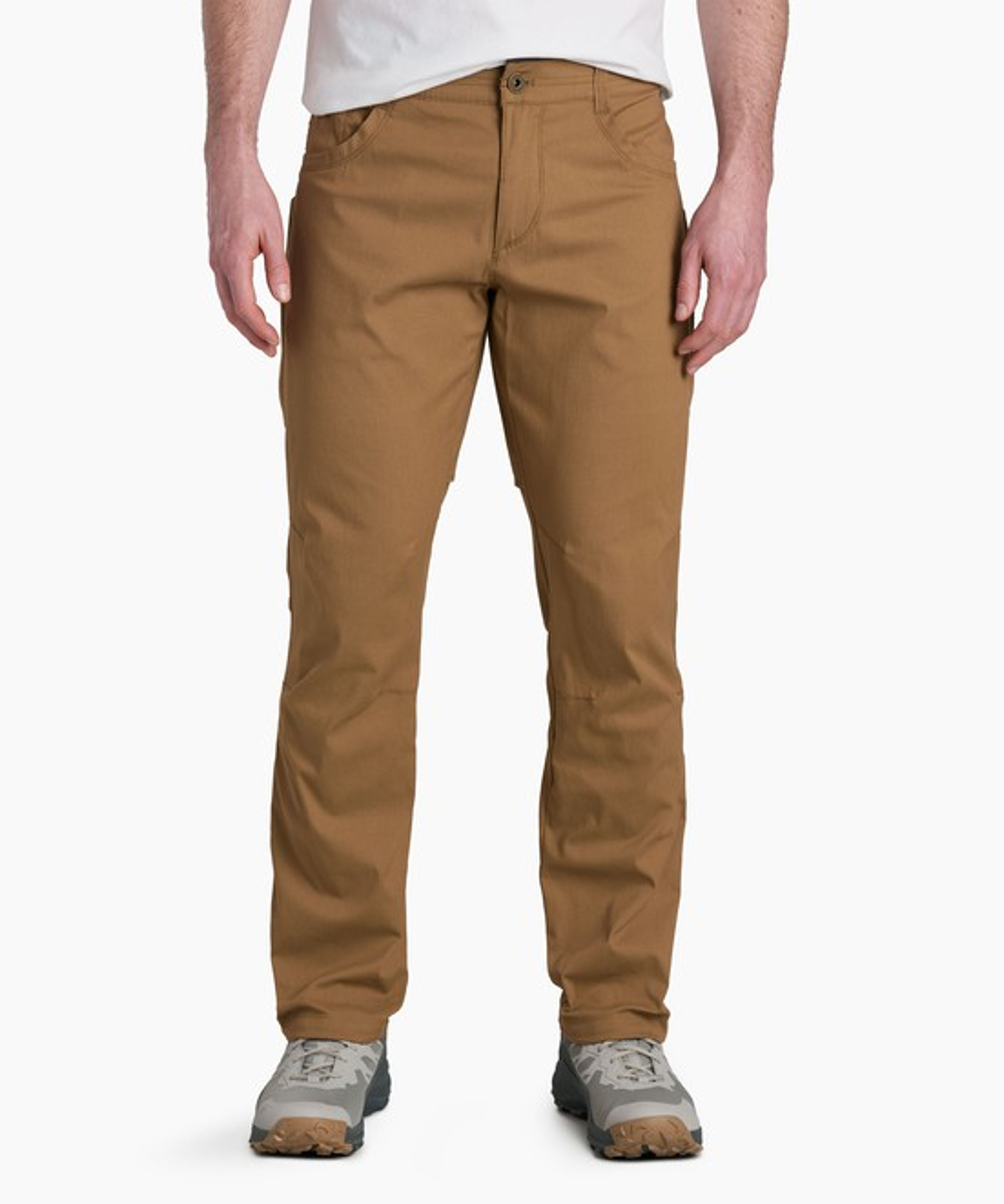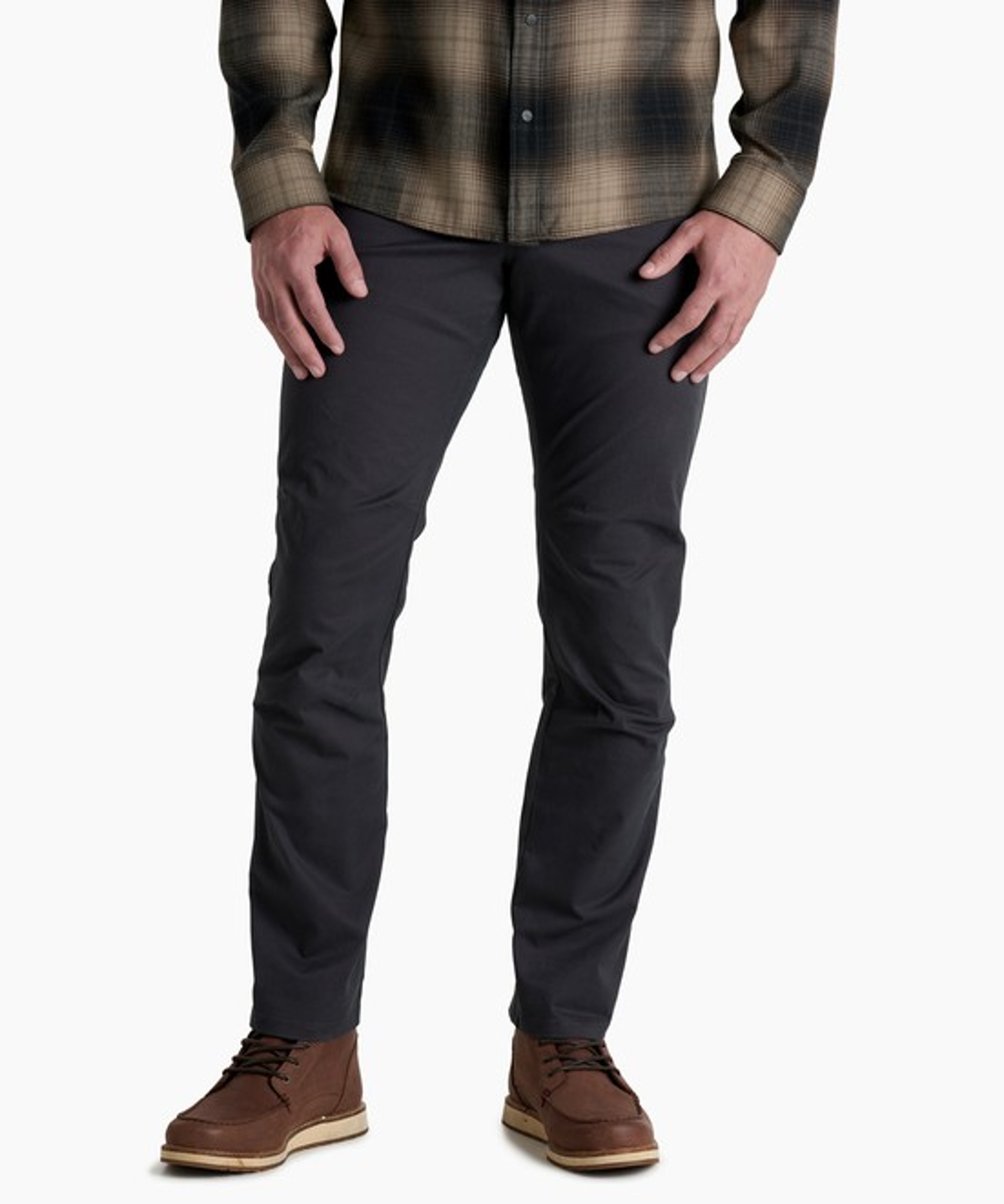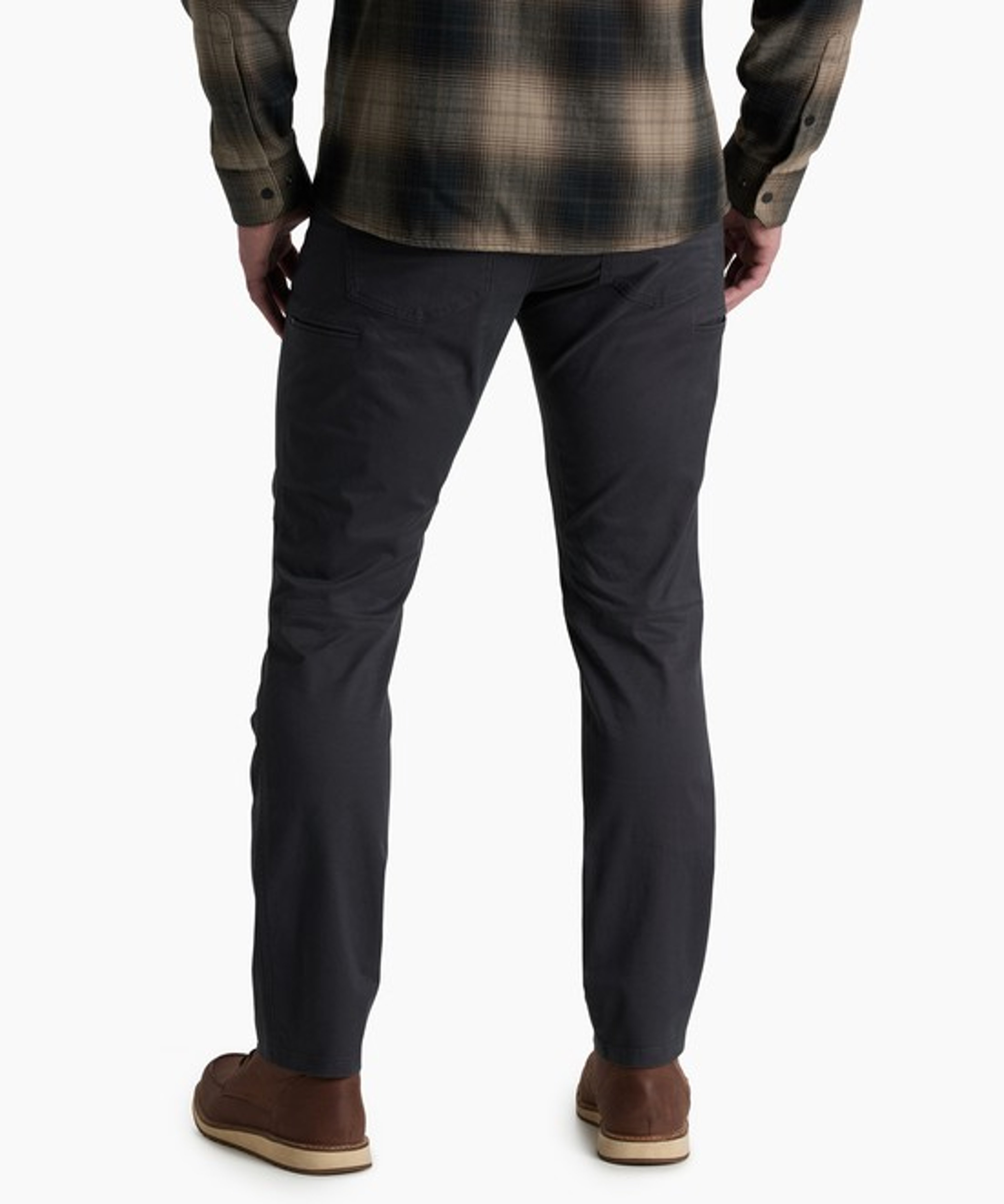



Men's Hiking Pants
Take on the Trail in KÜHL Men's Hiking Pants
Choose from a variety of fabrics, styles, and features for the men's hiking pants that are right for you:
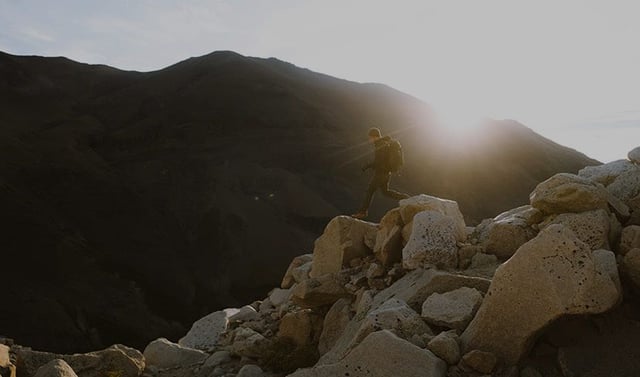
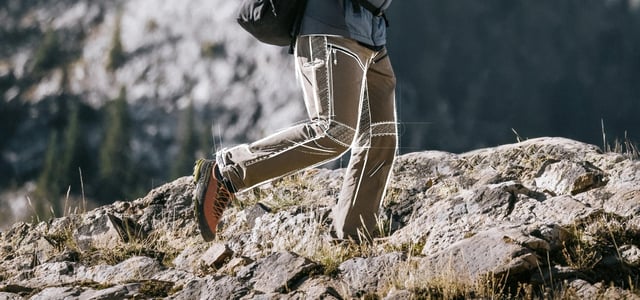
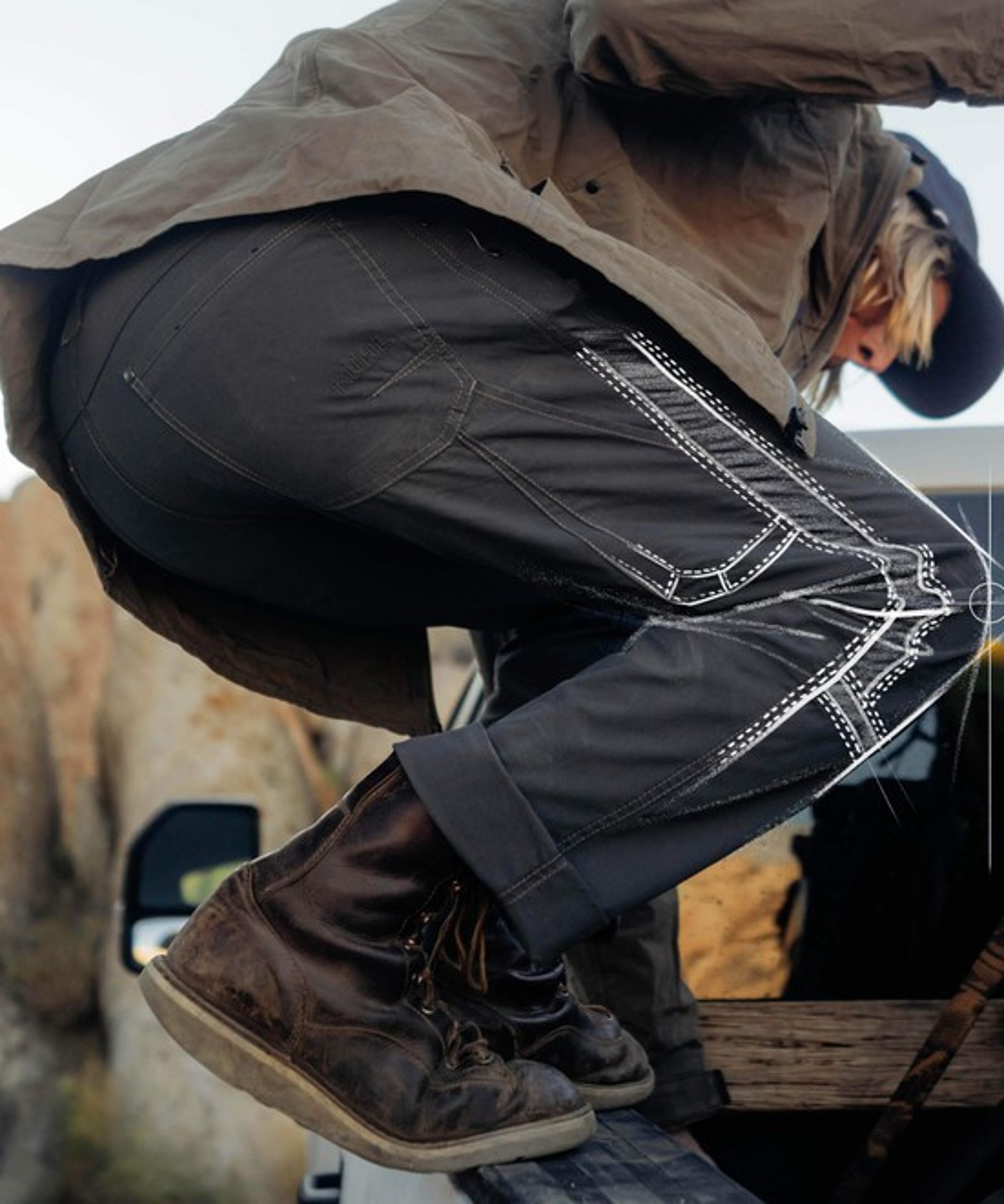
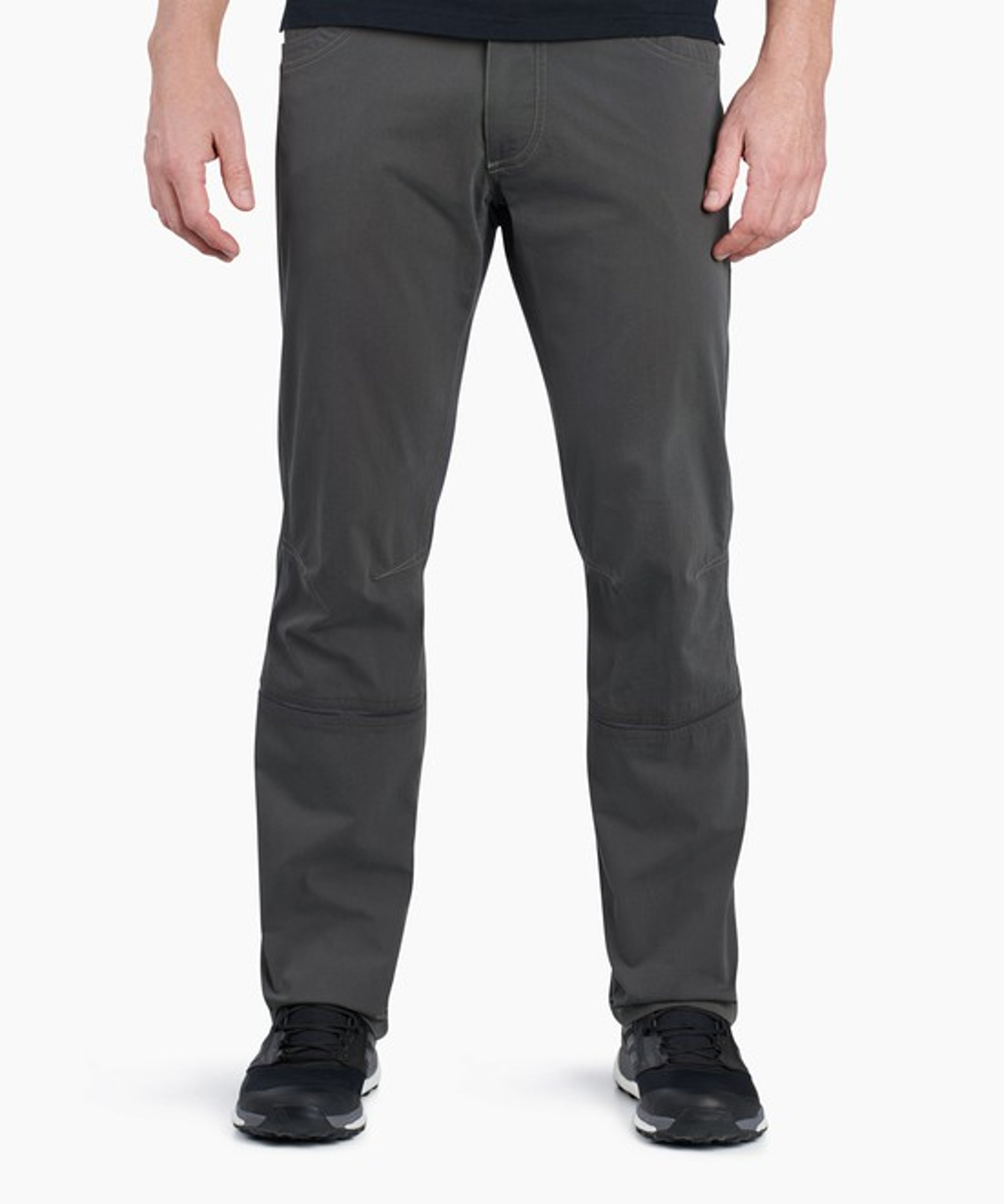
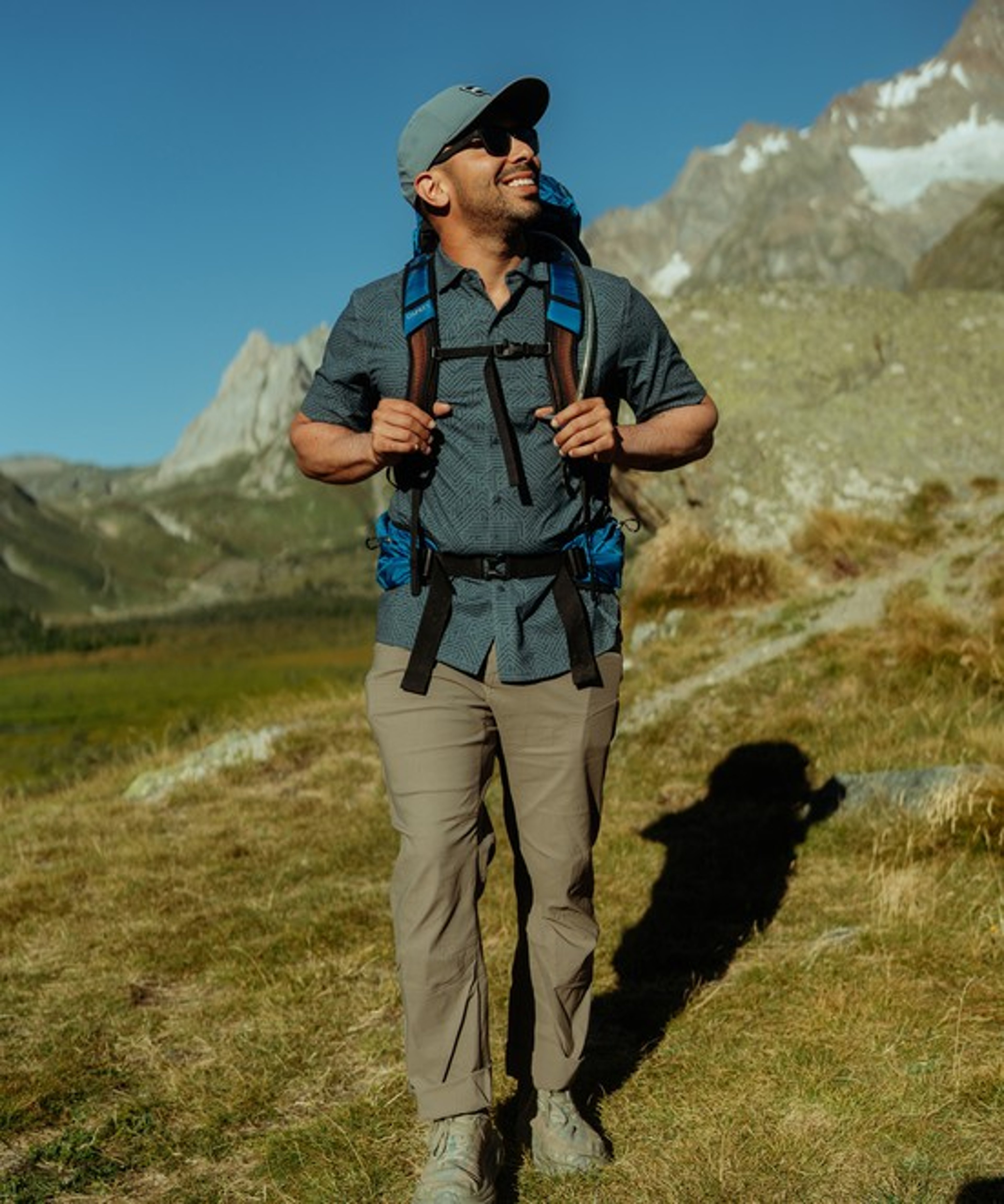
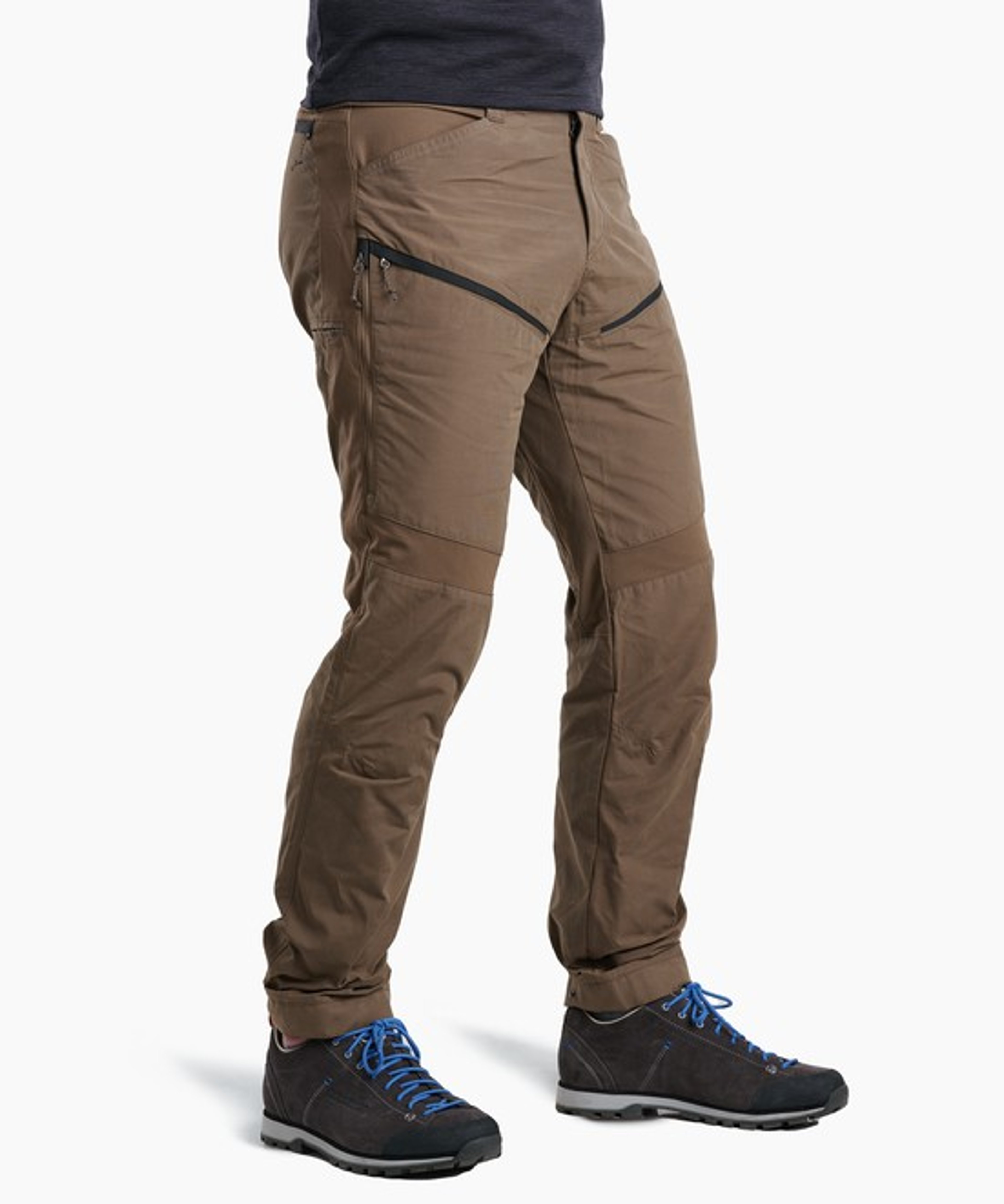
On-Trail Performance. Designed to deliver real performance over the long miles between trailhead and summit, men's hiking pants give you freedom of movement where you need it and abrasion resistance where the rocks find you. Articulated knees and a gusseted crotch keep the silhouette out of the way on big step-ups and scrambles, while a FreeRyde™ waistband disappears under a pack hipbelt.
REFLEX™ Softshell. Our exclusive softshell anchors much of the hiking lineup with true 4-way stretch, a quick-drying hand, and a DWR finish that sheds light precipitation. It's the recipe behind the pants you reach for on three-season days when the forecast is a guess.
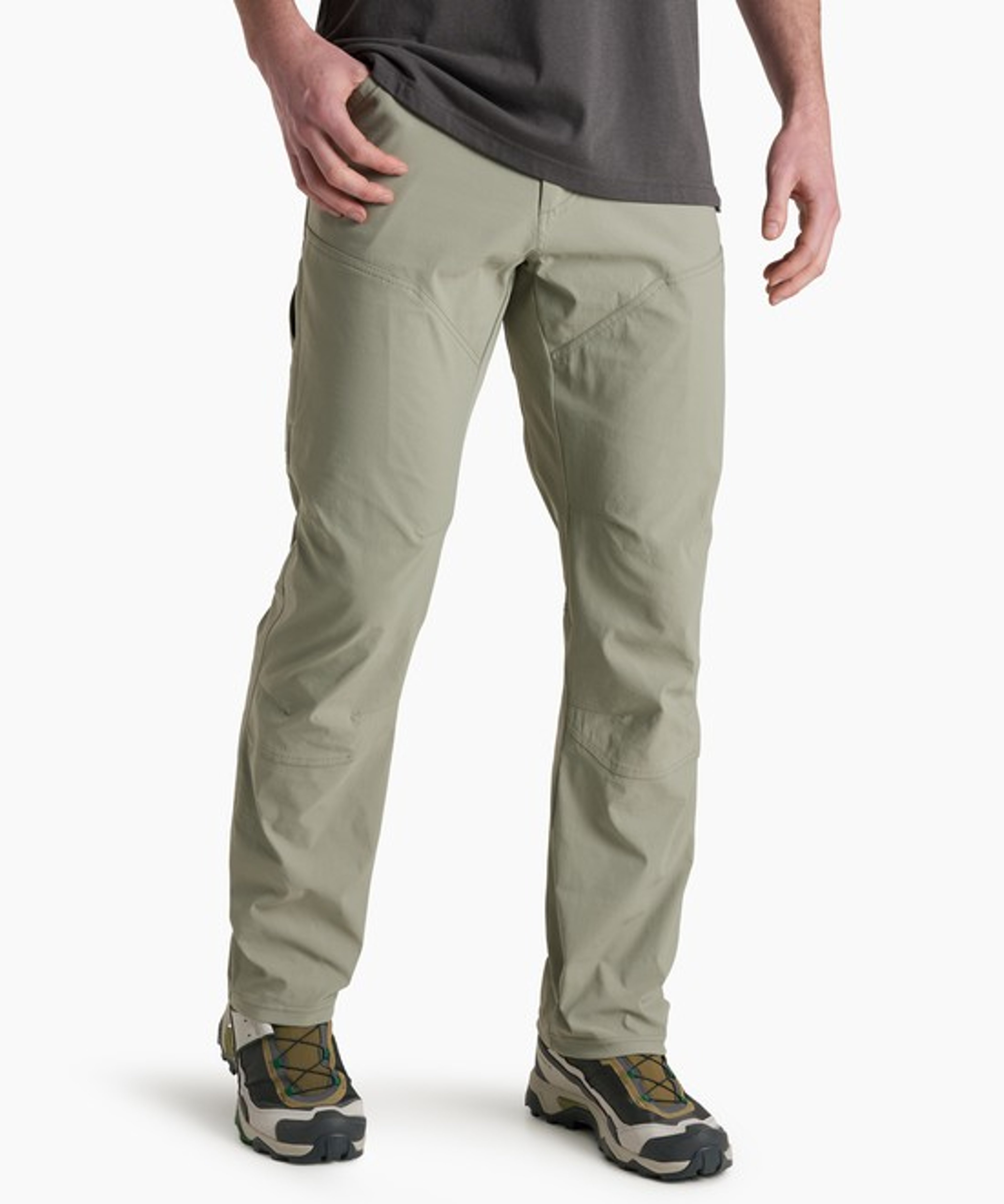
DURALUX™ Lightweight Construction. When every ounce matters, DURALUX™ pairs a soft nylon-spandex blend with UPF 50+ sun protection and a DWR finish. The fabric runs cool in summer heat without giving up the durability a hiking pant needs.
ENDURO™ Ripstop. For trips where the trail turns into talus, ENDURO™ adds tear resistance without the stiffness of heavier work fabrics. It's the layer between you and the brush, the rope bag, the pack waist belt: abrasion-tested, not abrasive to wear.
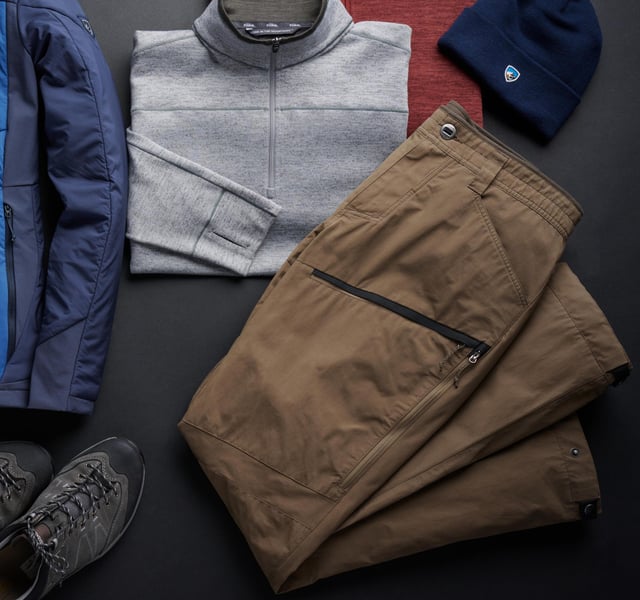
Layering for the Shoulder Seasons. Worn over a men's baselayer bottom on cold mornings, the same hiking pant carries into late-season backpacking without a wardrobe change. Mesh-lined ventilation panels on hot-weather styles dump heat on the climb. The FreeRyde waistband contours through the descent.
Hiking pants prioritize stretch, breathability, and UPF protection, where our men's work pants lean on heavier, abrasion-first fabrics built for jobsite durability. Different problems, different builds.
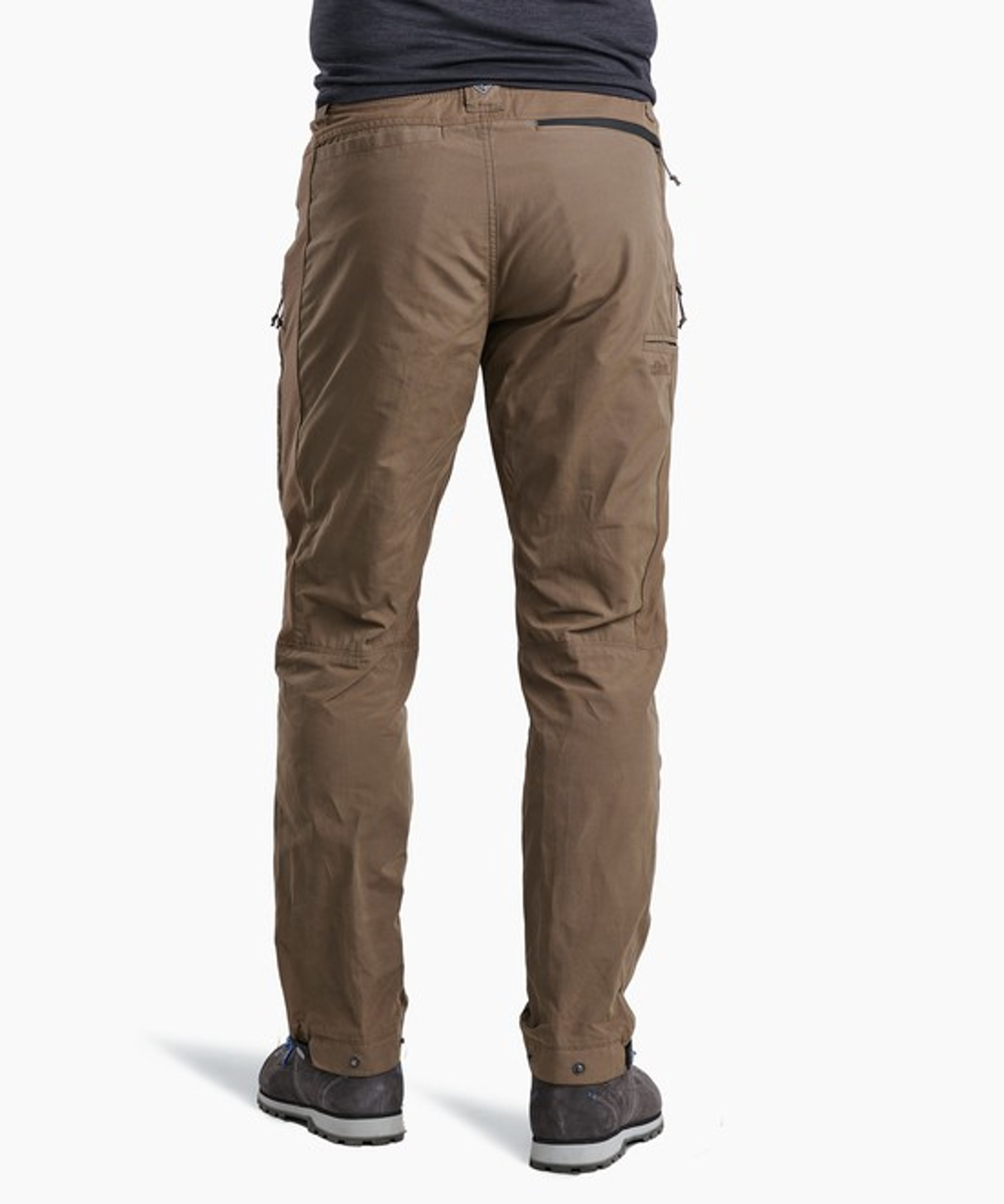
Look for signature touches like articulated knees, a gusseted crotch, secure cargo and zip pockets, and the FreeRyde waistband, small details that prove themselves on the third hour of a climb.
Choose from a variety of fabrics, styles, and features for the men's hiking pants that are right for you:
On-Trail Performance. Designed to deliver real performance over the long miles between trailhead and summit, men's hiking pants give you freedom of movement where you need it and abrasion resistance where the rocks find you. Articulated knees and a gusseted crotch keep the silhouette out of the way on big step-ups and scrambles, while a FreeRyde™ waistband disappears under a pack hipbelt.
REFLEX™ Softshell. Our exclusive softshell anchors much of the hiking lineup with true 4-way stretch, a quick-drying hand, and a DWR finish that sheds light precipitation. It's the recipe behind the pants you reach for on three-season days when the forecast is a guess.
DURALUX™ Lightweight Construction. When every ounce matters, DURALUX™ pairs a soft nylon-spandex blend with UPF 50+ sun protection and a DWR finish. The fabric runs cool in summer heat without giving up the durability a hiking pant needs.
ENDURO™ Ripstop. For trips where the trail turns into talus, ENDURO™ adds tear resistance without the stiffness of heavier work fabrics. It's the layer between you and the brush, the rope bag, the pack waist belt: abrasion-tested, not abrasive to wear.
Layering for the Shoulder Seasons. Worn over a men's baselayer bottom on cold mornings, the same hiking pant carries into late-season backpacking without a wardrobe change. Mesh-lined ventilation panels on hot-weather styles dump heat on the climb. The FreeRyde waistband contours through the descent.
Hiking pants prioritize stretch, breathability, and UPF protection, where our men's work pants lean on heavier, abrasion-first fabrics built for jobsite durability. Different problems, different builds.
Look for signature touches like articulated knees, a gusseted crotch, secure cargo and zip pockets, and the FreeRyde waistband, small details that prove themselves on the third hour of a climb.
From summer day hikes to shoulder-season backpacking, men's hiking pants live and die by the right fabric, the right fit, and the right details. Here's how to pick yours.
What should you look for in men's hiking pants?
The best men's hiking pants combine a stretch synthetic fabric, articulated knees, a gusseted crotch, a DWR finish, and UPF 50+ sun protection in a single build.
Each of those pieces solves a real trail problem. Stretch fabric, usually a nylon-spandex softshell like REFLEX™ or DURALUX™, lets you high-step over a downed log without the pant binding. Articulated knees pre-shape the fabric so you're not fighting the seam on every stride. A gusseted crotch eliminates the wedge point on long climbs. A DWR finish sheds light rain and morning dew. UPF 50+ means the pant itself is your sunscreen on exposed ridgelines.
Storage matters too: deep hand pockets, a secure zip pocket for a phone or car key, and cargo pockets sized for a paper map or a snack.
Each of those pieces solves a real trail problem. Stretch fabric, usually a nylon-spandex softshell like REFLEX™ or DURALUX™, lets you high-step over a downed log without the pant binding. Articulated knees pre-shape the fabric so you're not fighting the seam on every stride. A gusseted crotch eliminates the wedge point on long climbs. A DWR finish sheds light rain and morning dew. UPF 50+ means the pant itself is your sunscreen on exposed ridgelines.
Storage matters too: deep hand pockets, a secure zip pocket for a phone or car key, and cargo pockets sized for a paper map or a snack.
Are jeans or cotton pants OK for hiking, working, or traveling in?
No. Cotton is the one fabric to actively avoid on the trail. It absorbs moisture, holds it against your skin, and dries painfully slowly, which turns a sweaty climb or a creek crossing into a cold-weather problem fast.
Synthetic blends (nylon, polyester, spandex) wick moisture, dry in minutes, and stretch with you. Our hiking pants are built on softshells like REFLEX™ and DURALUX™ for exactly this reason: they handle sweat, splash, and surprise rain the way denim never can.
Jeans add a second problem: no stretch, no articulation, and a heavy fabric that chafes once it's wet. Save them for the parking lot.
Synthetic blends (nylon, polyester, spandex) wick moisture, dry in minutes, and stretch with you. Our hiking pants are built on softshells like REFLEX™ and DURALUX™ for exactly this reason: they handle sweat, splash, and surprise rain the way denim never can.
Jeans add a second problem: no stretch, no articulation, and a heavy fabric that chafes once it's wet. Save them for the parking lot.
What's the difference between hiking, work, and travel pants?
Hiking pants prioritize stretch, breathability, and UPF. Work pants prioritize abrasion resistance and tool storage. travel pants prioritize a dressier silhouette and packability.
Hiking pants are built around a stretch softshell with a DWR finish and a UPF 50+ rating. REFLEX™ and DURALUX™ are typical anchors. Articulated knees and a gusseted crotch matter because trails involve uneven ground and big step-ups.
Work pants lean heavier. ENDURO™ ripstop and reinforced panels handle ladder rungs, rough lumber, and welding spatter, durability you'd never need on a day hike.
Travel pants split the difference: lighter and dressier than a hiking pant, with a fabric that packs without wrinkling and a cut you'd wear to dinner in town.
Hiking pants are built around a stretch softshell with a DWR finish and a UPF 50+ rating. REFLEX™ and DURALUX™ are typical anchors. Articulated knees and a gusseted crotch matter because trails involve uneven ground and big step-ups.
Work pants lean heavier. ENDURO™ ripstop and reinforced panels handle ladder rungs, rough lumber, and welding spatter, durability you'd never need on a day hike.
Travel pants split the difference: lighter and dressier than a hiking pant, with a fabric that packs without wrinkling and a cut you'd wear to dinner in town.
What's the best fit for hiking pants: slim, relaxed, or wide-leg?
Fit is personal, but mobility features matter more than the silhouette label.
A slim pant with articulated knees and a gusseted crotch will move better than a relaxed pant without those construction details. A wide-leg pant looks more casual but, if it lacks articulation, will catch on its own fabric every time you take a high step.
Choose the cut you'll actually wear off-trail too. Most hikers want a single pant that works for the climb and the post-hike taco truck. Look for the FreeRyde™ waistband on whichever silhouette you choose: it sits flat under a pack hipbelt and doesn't dig in on long days.
A slim pant with articulated knees and a gusseted crotch will move better than a relaxed pant without those construction details. A wide-leg pant looks more casual but, if it lacks articulation, will catch on its own fabric every time you take a high step.
Choose the cut you'll actually wear off-trail too. Most hikers want a single pant that works for the climb and the post-hike taco truck. Look for the FreeRyde™ waistband on whichever silhouette you choose: it sits flat under a pack hipbelt and doesn't dig in on long days.
What should you wear in hot vs cold weather?
In heat, go lightweight: a DURALUX™ pant with UPF 50+, mesh ventilation, and a FreeRyde™ waistband moves air and blocks sun without trapping heat.
In cold, lean on softshell. A REFLEX™ pant with a brushed interior layers cleanly over a baselayer bottom and blocks wind on exposed ridges. Pair it with a baselayer for sub-freezing starts and you've got a three-season system on one pair of pants.
The honest middle ground, 45 to 65°F, is where a good hiking pant earns its keep. A softshell with a DWR finish, articulated knees, and 4-way stretch is the whole answer in that window.
In cold, lean on softshell. A REFLEX™ pant with a brushed interior layers cleanly over a baselayer bottom and blocks wind on exposed ridges. Pair it with a baselayer for sub-freezing starts and you've got a three-season system on one pair of pants.
The honest middle ground, 45 to 65°F, is where a good hiking pant earns its keep. A softshell with a DWR finish, articulated knees, and 4-way stretch is the whole answer in that window.
Are hiking pants waterproof, or just water-resistant?
Hiking pants are water-resistant, not waterproof. A DWR finish makes the fabric bead and shed light rain, splash, and dew. But in sustained downpour, water will eventually find its way through.
That's by design. A truly waterproof pant traps sweat and kills breathability, which is fine for ten minutes in a storm and miserable for an eight-hour hike.
The pairing that works: a DWR-treated hiking pant for everyday trail use, and a dedicated water-resistant pant or rain shell when the forecast turns. Two-pant system, no compromises in either direction.
That's by design. A truly waterproof pant traps sweat and kills breathability, which is fine for ten minutes in a storm and miserable for an eight-hour hike.
The pairing that works: a DWR-treated hiking pant for everyday trail use, and a dedicated water-resistant pant or rain shell when the forecast turns. Two-pant system, no compromises in either direction.


_category_section_item.jpg)