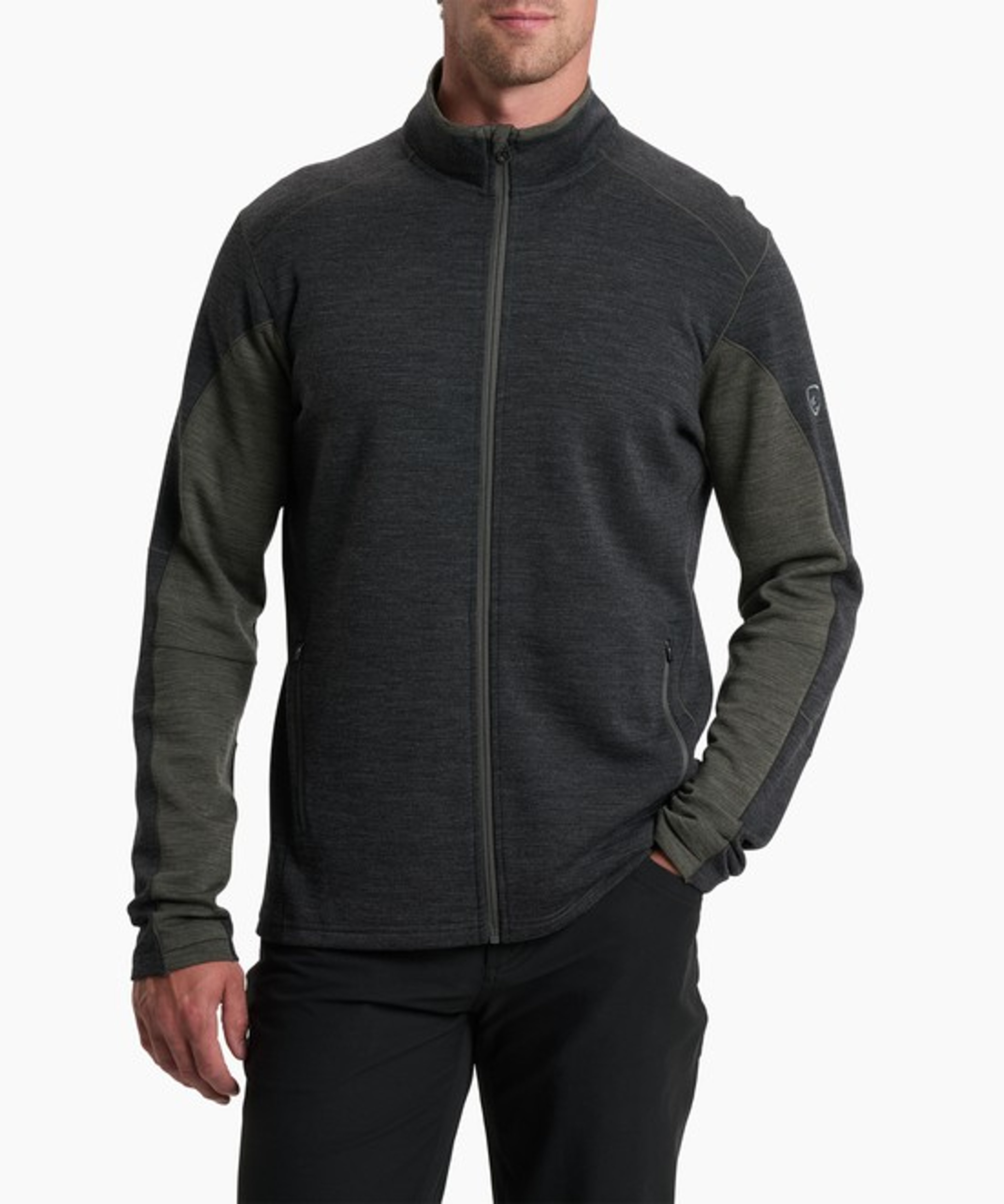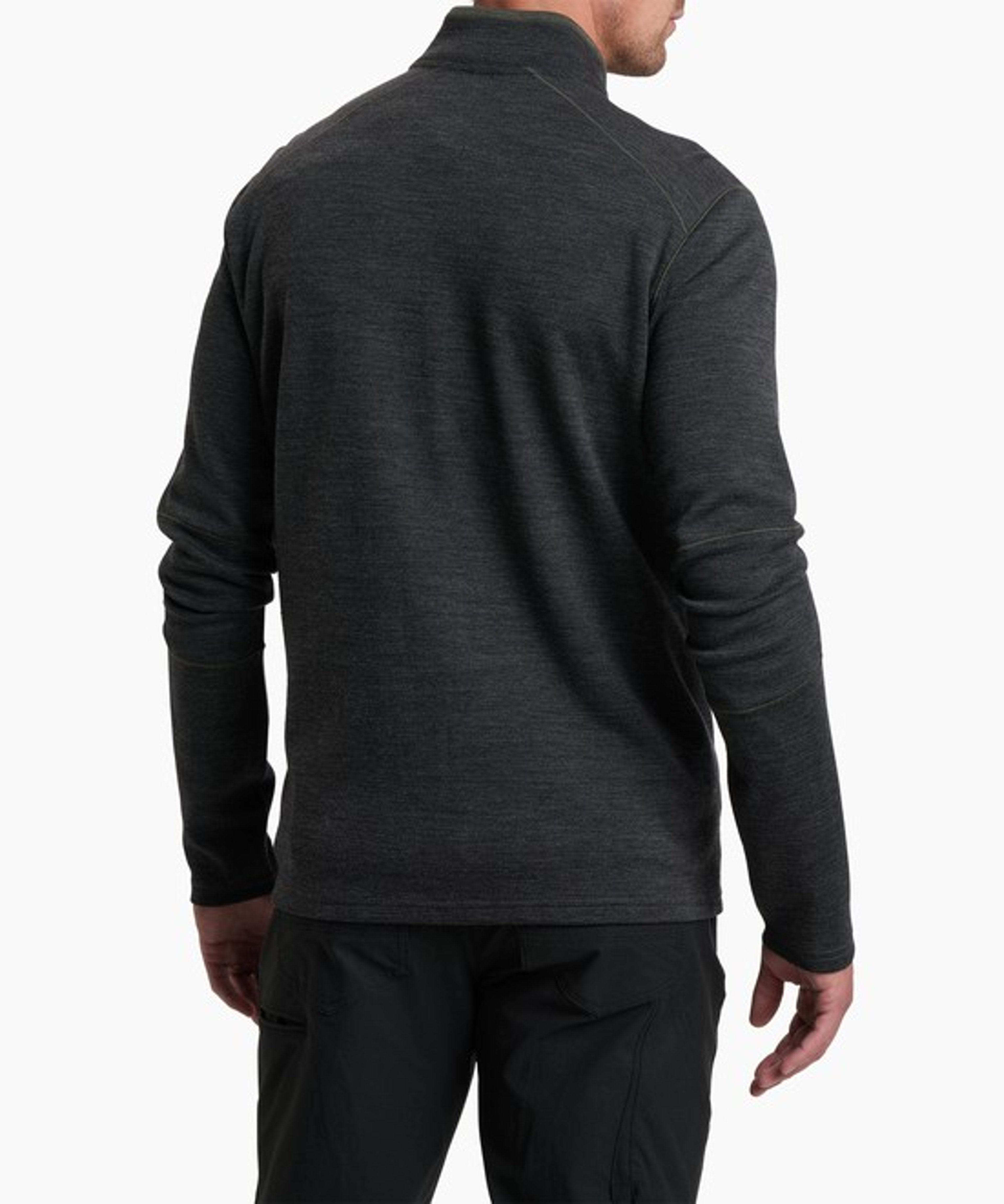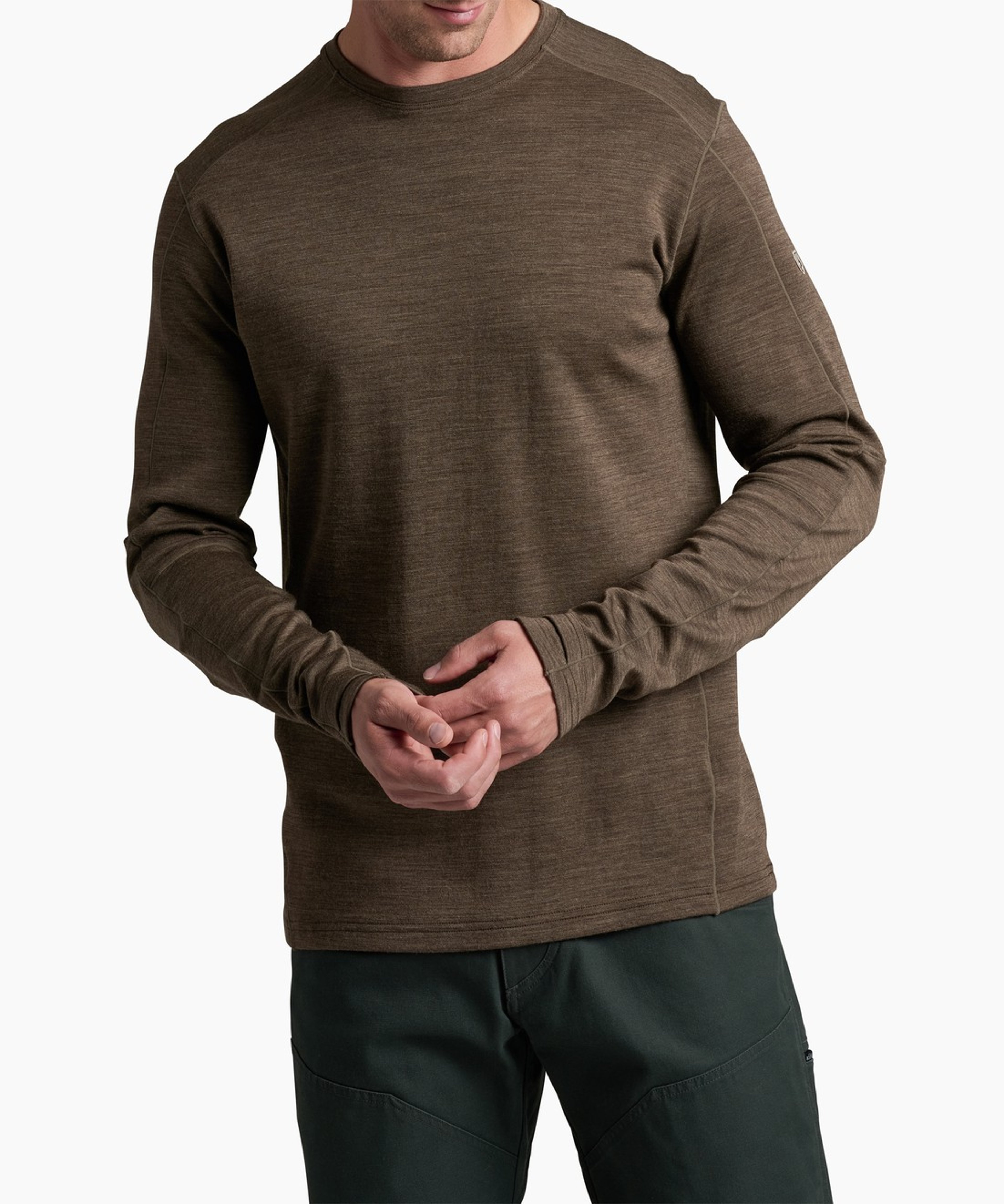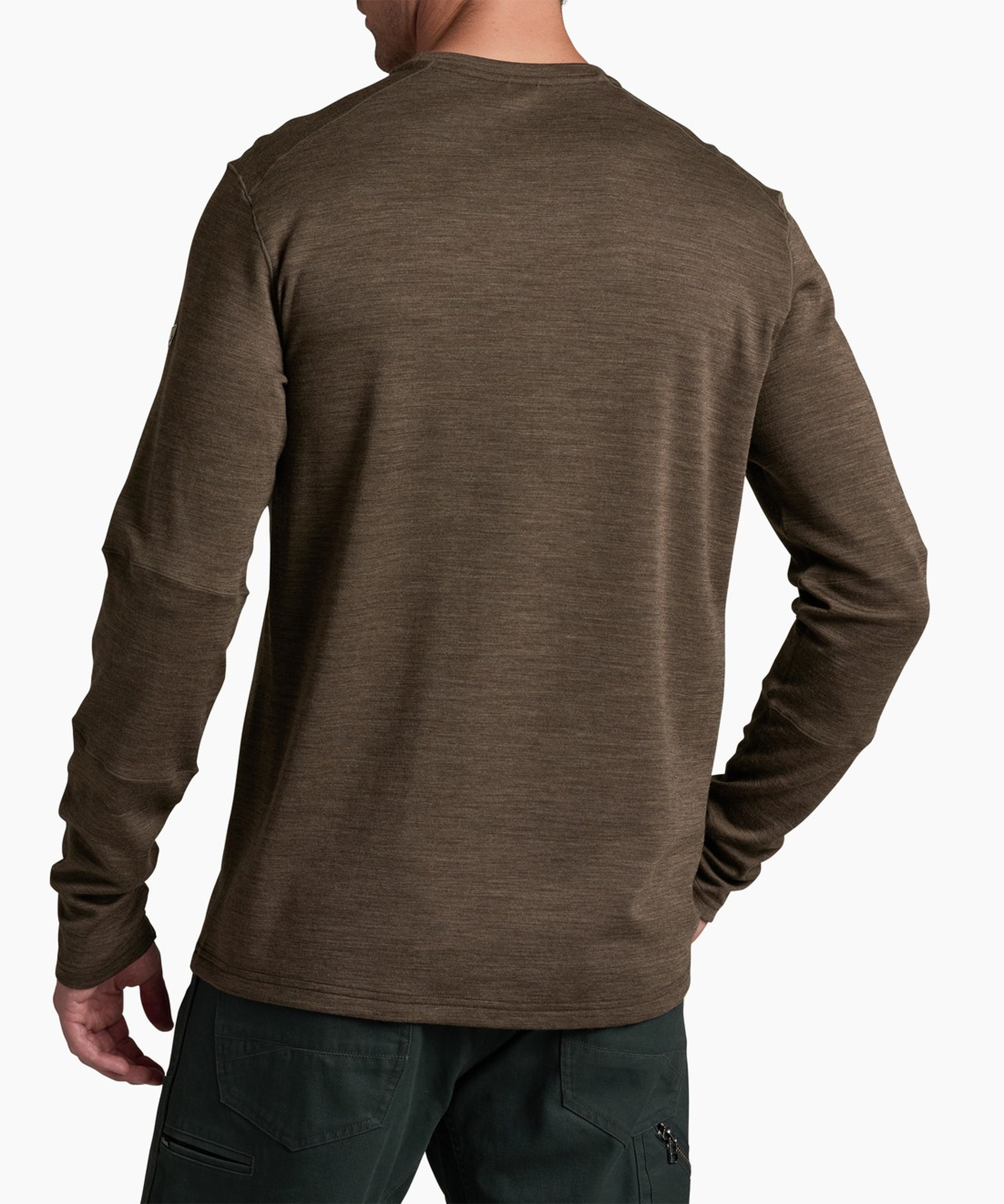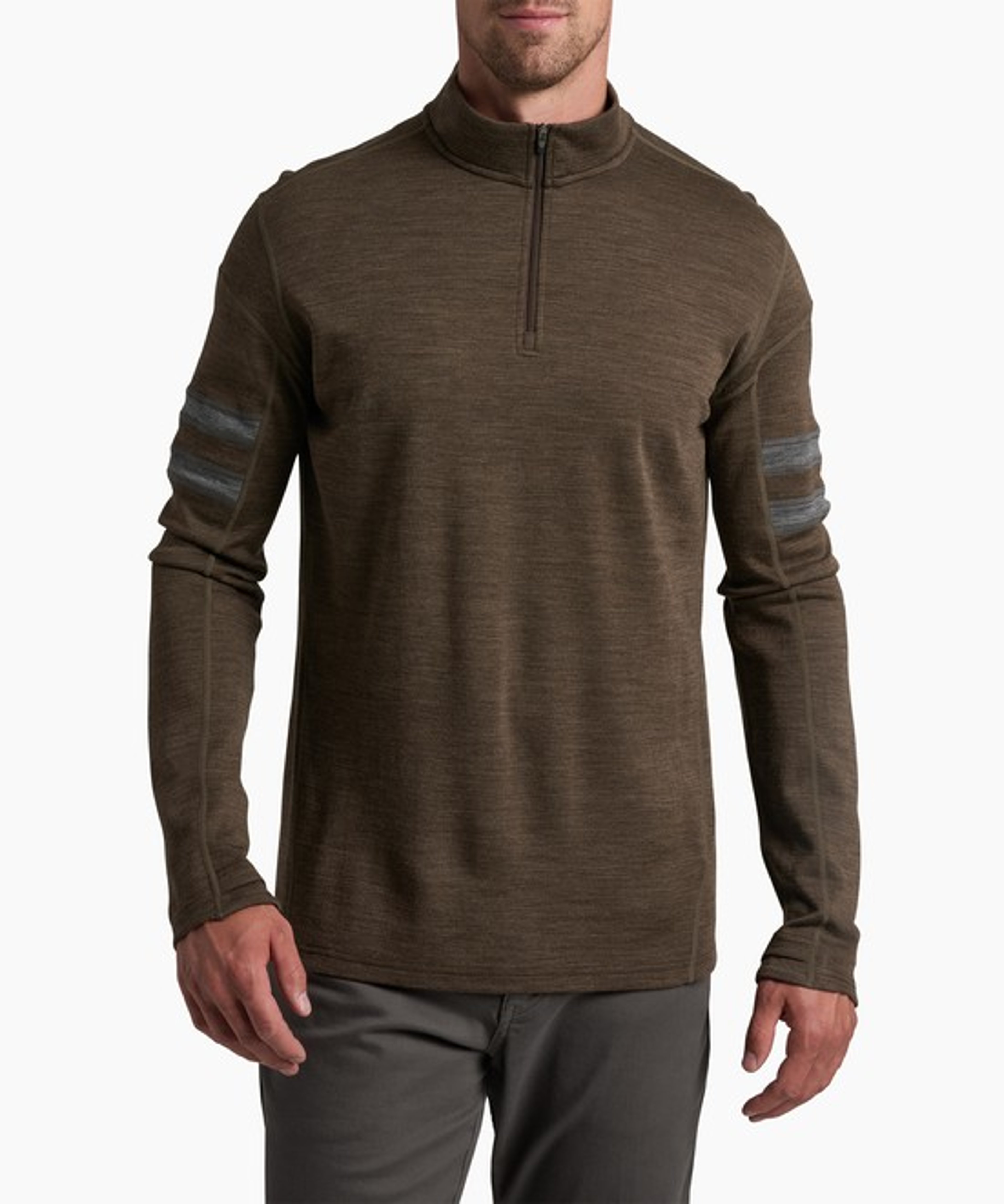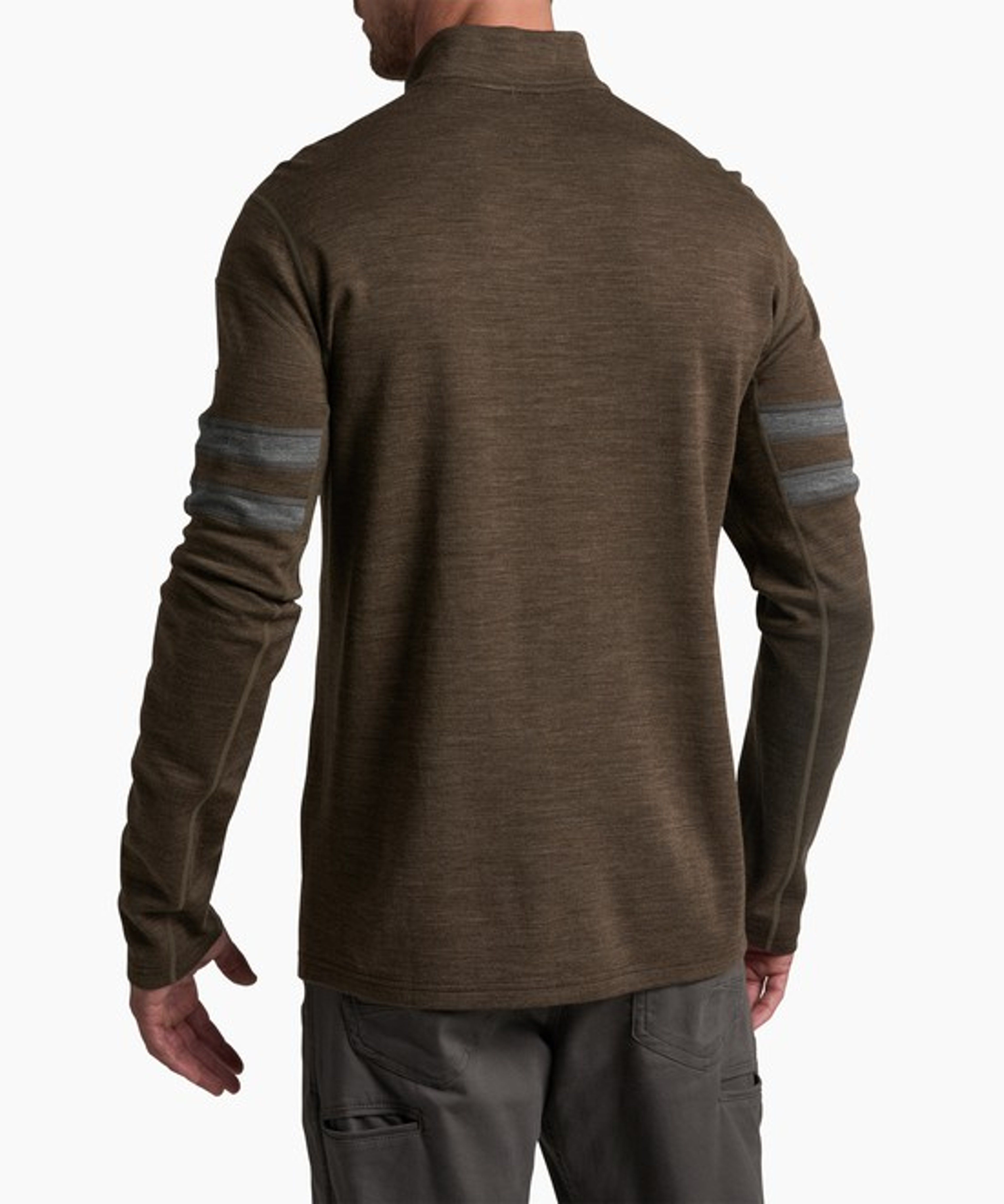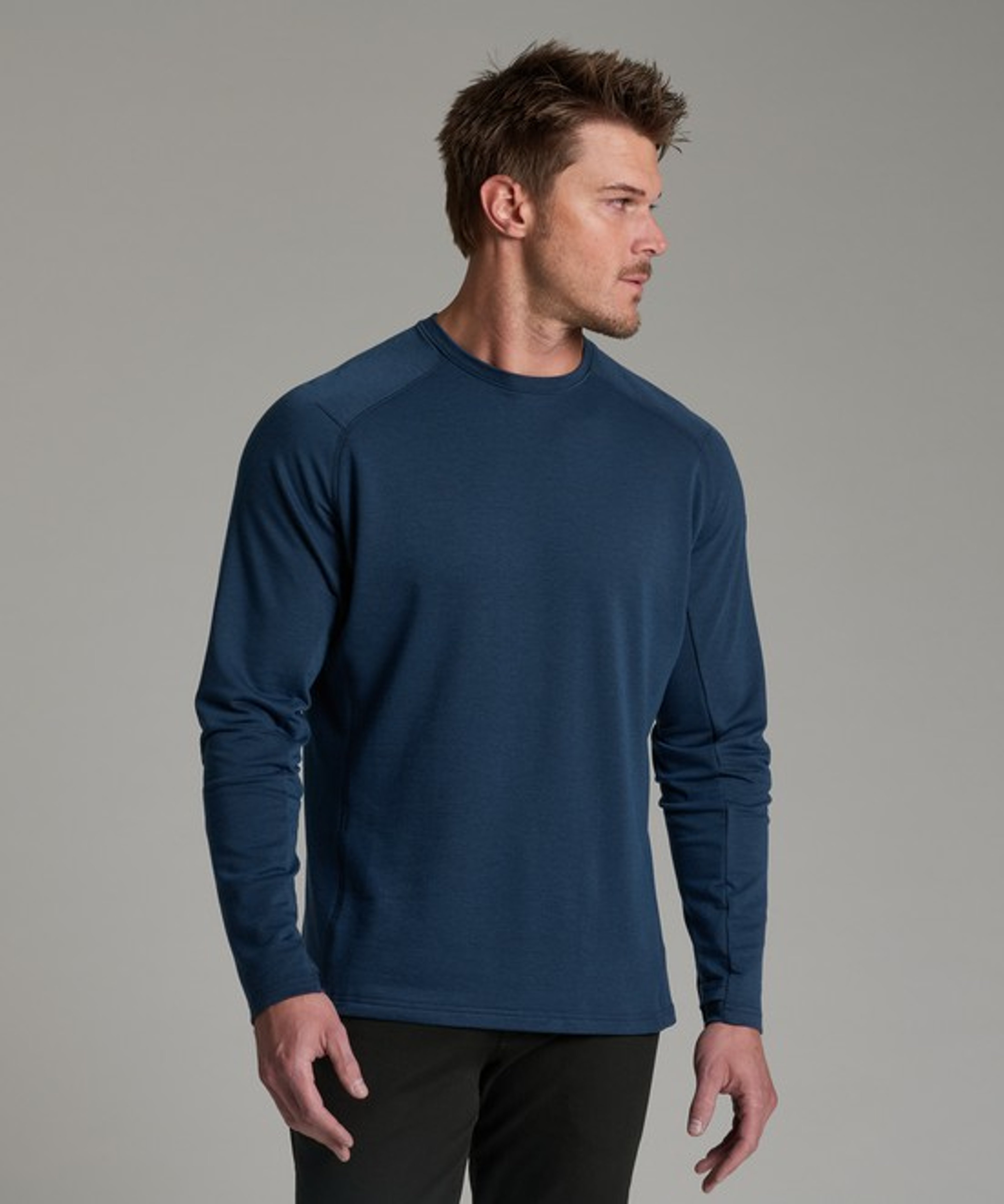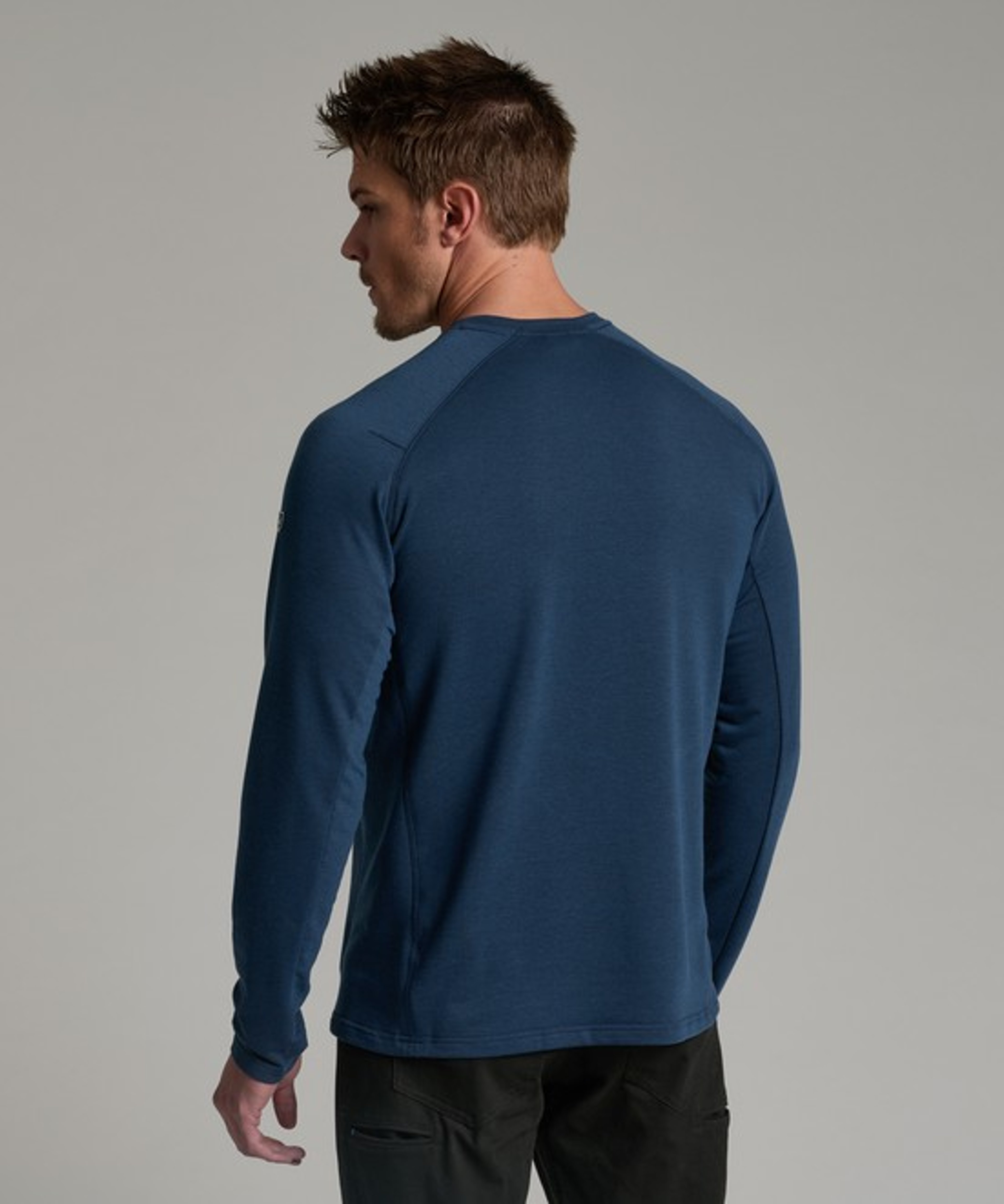




Men's Baselayer Tops and Bottoms
Start Every Layer System from the Skin Out with KÜHL Men's Baselayer
Whether you're skinning up a ridge, layering for a cold jobsite, or dialing in your kit before a shoulder-season trip, the baselayer is the piece that decides whether the rest of the system works. KÜHL men's baselayer tops and bottoms are built to wick moisture, regulate temperature, and stay quiet under everything else you wear.
Choose from a variety of fabrics, weights, and fits for the men's baselayer that's right for you:
Merino Wool Comfort. Merino baselayer delivers natural temperature regulation, odor resistance, and a soft, no-itch hand against the skin. A lightweight merino blend works across three seasons. A heavier merino top or bottom holds heat through hard winter days without feeling bulky under a softshell.
Synthetic Performance. Technical synthetic baselayer wicks sweat fast, dries quickly, and stays light when you're working at pace. Look for 4-way stretch construction and a smooth, flatlock-seamed finish that disappears under shells and men's hiking pants on long high-output days.
Lightweight Tops for Warm-Weather Layering. A short-sleeve or long-sleeve crew in a breathable, moisture-wicking knit handles summer alpine starts, shoulder-season runs, and the cool end of a desert day. Many styles add UPF 50+ sun protection so one shirt covers exposed ridges and tree-line traverses.
Cold-Weather Insulation. For winter, choose a midweight or heavyweight top with a brushed interior and articulated construction. Shaped 3D patterning keeps the fabric close to the skin where it can trap warmth, while gusseted underarms and an articulated cut preserve full range of motion.
Bottoms to Complete the System. Pair your top with men's baselayer bottoms for full-body coverage on lift days, backcountry tours, and cold-weather travel. A merino-blend bottom adds insulation under travel pants without changing how the outer layer fits.
Look for signature touches like flatlock and low-bulk seams for friction-free layering, thumb loops to anchor sleeves under a jacket, and an articulated design that moves with the body instead of fighting it.
Whether you're skinning up a ridge, layering for a cold jobsite, or dialing in your kit before a shoulder-season trip, the baselayer is the piece that decides whether the rest of the system works. KÜHL men's baselayer tops and bottoms are built to wick moisture, regulate temperature, and stay quiet under everything else you wear.
Choose from a variety of fabrics, weights, and fits for the men's baselayer that's right for you:
Merino Wool Comfort. Merino baselayer delivers natural temperature regulation, odor resistance, and a soft, no-itch hand against the skin. A lightweight merino blend works across three seasons. A heavier merino top or bottom holds heat through hard winter days without feeling bulky under a softshell.
Synthetic Performance. Technical synthetic baselayer wicks sweat fast, dries quickly, and stays light when you're working at pace. Look for 4-way stretch construction and a smooth, flatlock-seamed finish that disappears under shells and men's hiking pants on long high-output days.
Lightweight Tops for Warm-Weather Layering. A short-sleeve or long-sleeve crew in a breathable, moisture-wicking knit handles summer alpine starts, shoulder-season runs, and the cool end of a desert day. Many styles add UPF 50+ sun protection so one shirt covers exposed ridges and tree-line traverses.
Cold-Weather Insulation. For winter, choose a midweight or heavyweight top with a brushed interior and articulated construction. Shaped 3D patterning keeps the fabric close to the skin where it can trap warmth, while gusseted underarms and an articulated cut preserve full range of motion.
Bottoms to Complete the System. Pair your top with men's baselayer bottoms for full-body coverage on lift days, backcountry tours, and cold-weather travel. A merino-blend bottom adds insulation under travel pants without changing how the outer layer fits.
Look for signature touches like flatlock and low-bulk seams for friction-free layering, thumb loops to anchor sleeves under a jacket, and an articulated design that moves with the body instead of fighting it.
From merino tops to lightweight synthetic crews, here's how to choose the men's baselayer that anchors the rest of your layering system.
What should you look for in men's baselayer?
The best men's baselayer wicks moisture, dries fast, and disappears under the rest of your kit.
Look for a few specifics: a merino wool blend or a technical synthetic. Both move sweat off the skin, where cotton does not. An articulated cut with shaped construction so the fabric tracks with you. Flatlock or low-bulk seams that stay invisible under a softshell. Thumb loops on tops to lock the sleeves under gloves.
A good baselayer is the layer you stop thinking about, quiet under load, dry against the skin, and the same fit on hour eight as hour one.
Look for a few specifics: a merino wool blend or a technical synthetic. Both move sweat off the skin, where cotton does not. An articulated cut with shaped construction so the fabric tracks with you. Flatlock or low-bulk seams that stay invisible under a softshell. Thumb loops on tops to lock the sleeves under gloves.
A good baselayer is the layer you stop thinking about, quiet under load, dry against the skin, and the same fit on hour eight as hour one.
Is cotton okay as a baselayer, or should you choose merino or synthetic?
Cotton is the wrong choice for any baselayer worn during exertion. It soaks up sweat, holds it against the skin, and dries slowly, a recipe for chills in cold weather and clammy skin in warm.
Merino wool blends regulate temperature naturally, resist odor across multi-day trips, and stay comfortable even when damp. Technical synthetics wick faster and dry quicker, which makes them strong for high-output efforts. Either works under men's hiking pants or lightweight pants. Cotton does not.
Merino wool blends regulate temperature naturally, resist odor across multi-day trips, and stay comfortable even when damp. Technical synthetics wick faster and dry quicker, which makes them strong for high-output efforts. Either works under men's hiking pants or lightweight pants. Cotton does not.
What's the difference between lightweight, midweight, and heavyweight baselayer?
Weight describes how much insulation the baselayer adds, not how technical the fabric is.
Lightweight baselayer is built for warm-weather output and three-season layering: thin, breathable, quick to dry. Midweight is the all-around choice for cold-weather hikes, ski tours, and shoulder-season travel: enough warmth to stand alone in mild cold, enough breathability to vent under a shell. Heavyweight is reserved for static cold: lift days, belay sessions, cold jobsites. Pick the weight that matches the effort level, not just the air temperature.
Lightweight baselayer is built for warm-weather output and three-season layering: thin, breathable, quick to dry. Midweight is the all-around choice for cold-weather hikes, ski tours, and shoulder-season travel: enough warmth to stand alone in mild cold, enough breathability to vent under a shell. Heavyweight is reserved for static cold: lift days, belay sessions, cold jobsites. Pick the weight that matches the effort level, not just the air temperature.
What's the best fit for baselayer, slim, relaxed, or layering-friendly?
A baselayer should fit close to the skin without restricting movement.
Trapped air between fabric and skin is what wicks and insulates, so a loose, drapey baselayer underperforms a fitted one. That said, close doesn't mean compression. An articulated cut and a shaped, gusseted construction matter more than the silhouette label on the tag. If the fabric stays in contact with the skin through a full overhead reach and a deep squat, the fit is right.
Trapped air between fabric and skin is what wicks and insulates, so a loose, drapey baselayer underperforms a fitted one. That said, close doesn't mean compression. An articulated cut and a shaped, gusseted construction matter more than the silhouette label on the tag. If the fabric stays in contact with the skin through a full overhead reach and a deep squat, the fit is right.
What baselayer should you wear in hot vs cold weather?
In heat, choose a lightweight short-sleeve or long-sleeve top in a breathable, moisture-wicking knit, often with UPF 50+ sun protection so it doubles as a standalone shirt on exposed ridges.
In cold, layer a midweight or heavyweight merino-blend top and bottom under a fleece or softshell. Heavyweights with brushed interiors and articulated construction trap warmth without bulk. Pair them with travel pants or insulated outerwear to round out the system. The rule of thumb: match the weight to your output, not the forecast.
In cold, layer a midweight or heavyweight merino-blend top and bottom under a fleece or softshell. Heavyweights with brushed interiors and articulated construction trap warmth without bulk. Pair them with travel pants or insulated outerwear to round out the system. The rule of thumb: match the weight to your output, not the forecast.
Is baselayer waterproof, or just moisture-wicking?
Baselayer is moisture-wicking, not waterproof, and that's by design.
The baselayer's job is to move sweat off the skin and pass it outward to the next layer. A waterproof inner layer would trap that moisture against the body, which is the opposite of what you want. For external water (rain, wet snow, spray), pair your baselayer with a softshell or a hardshell outer. The system handles the weather. The baselayer handles you.
The baselayer's job is to move sweat off the skin and pass it outward to the next layer. A waterproof inner layer would trap that moisture against the body, which is the opposite of what you want. For external water (rain, wet snow, spray), pair your baselayer with a softshell or a hardshell outer. The system handles the weather. The baselayer handles you.