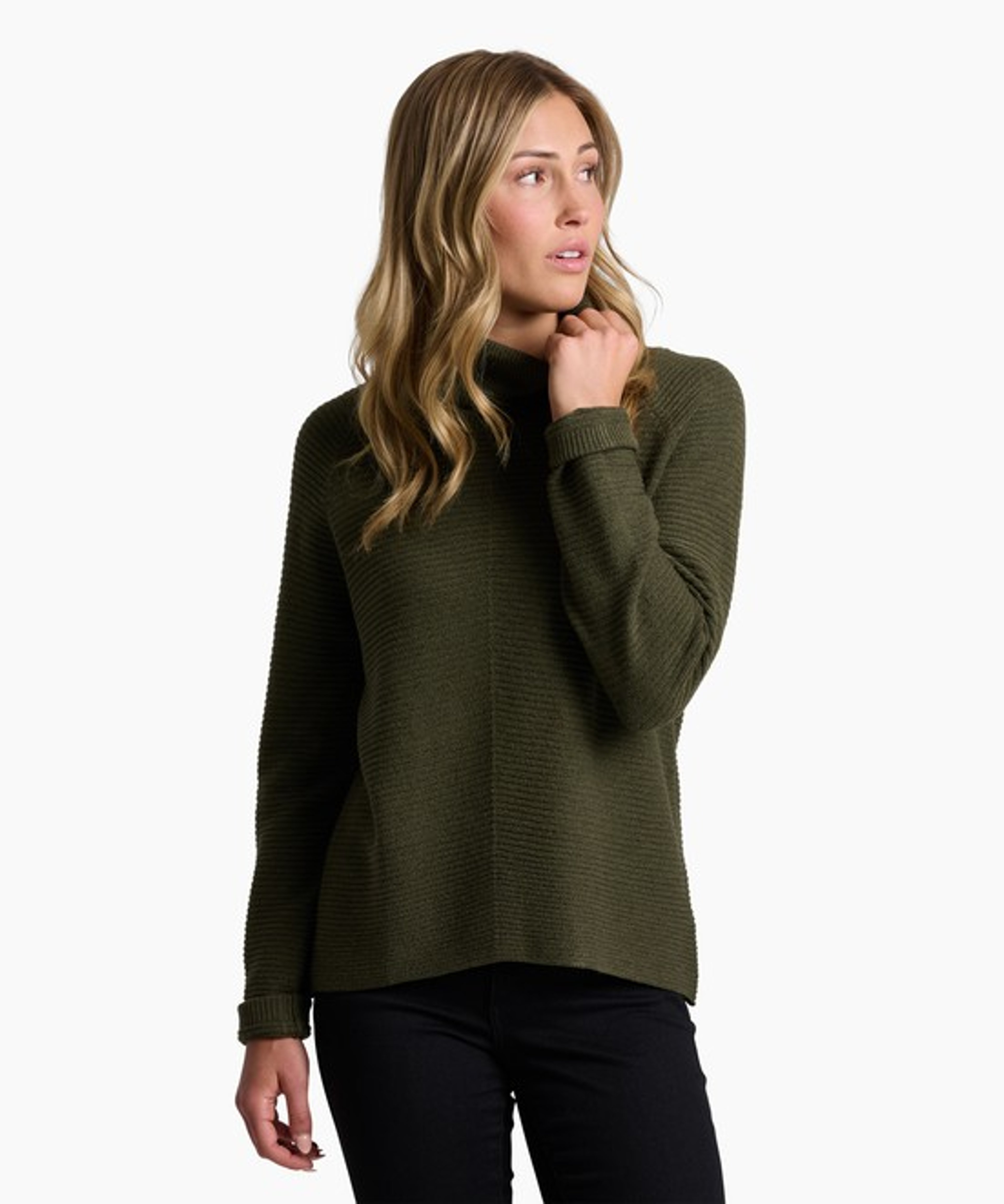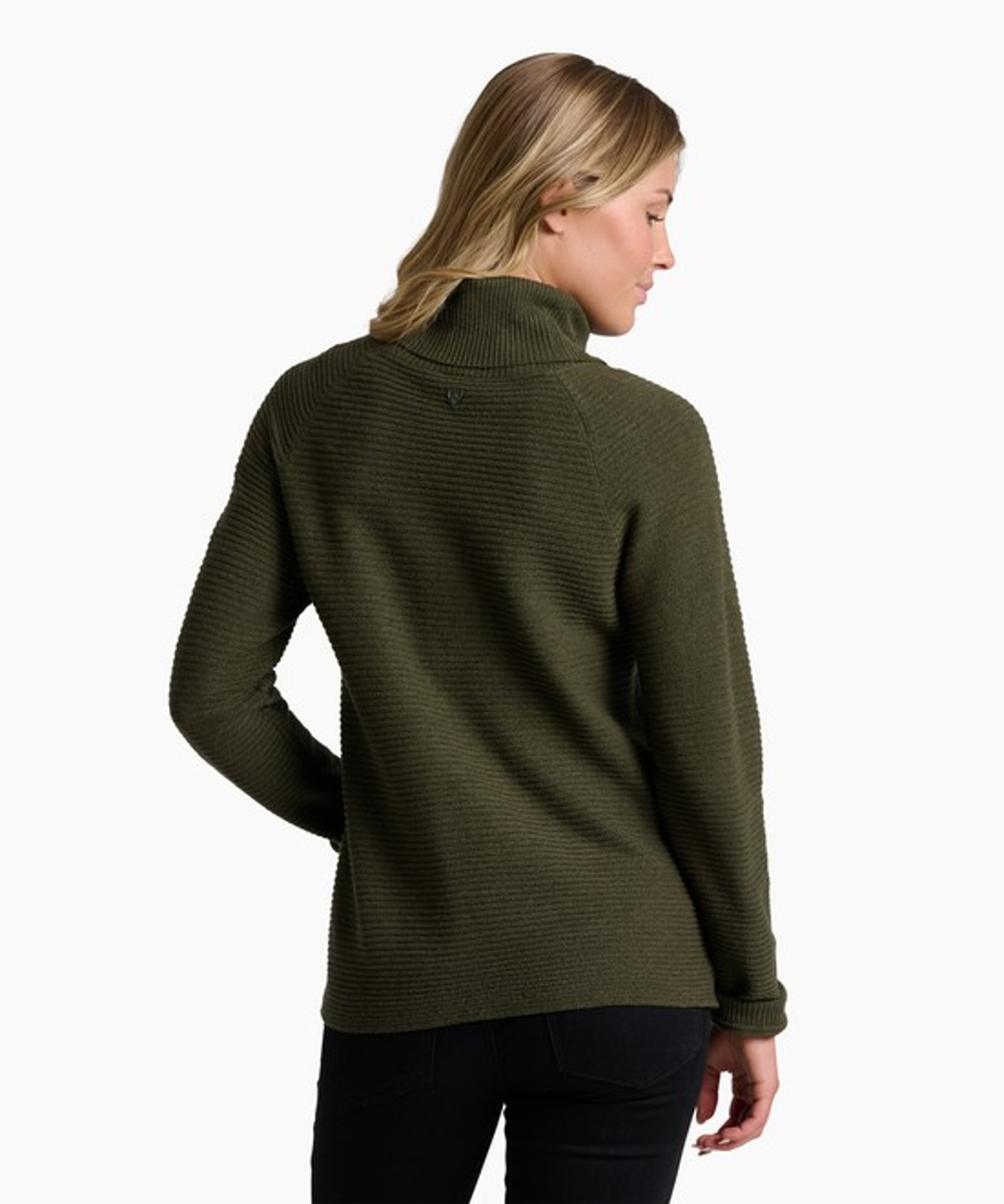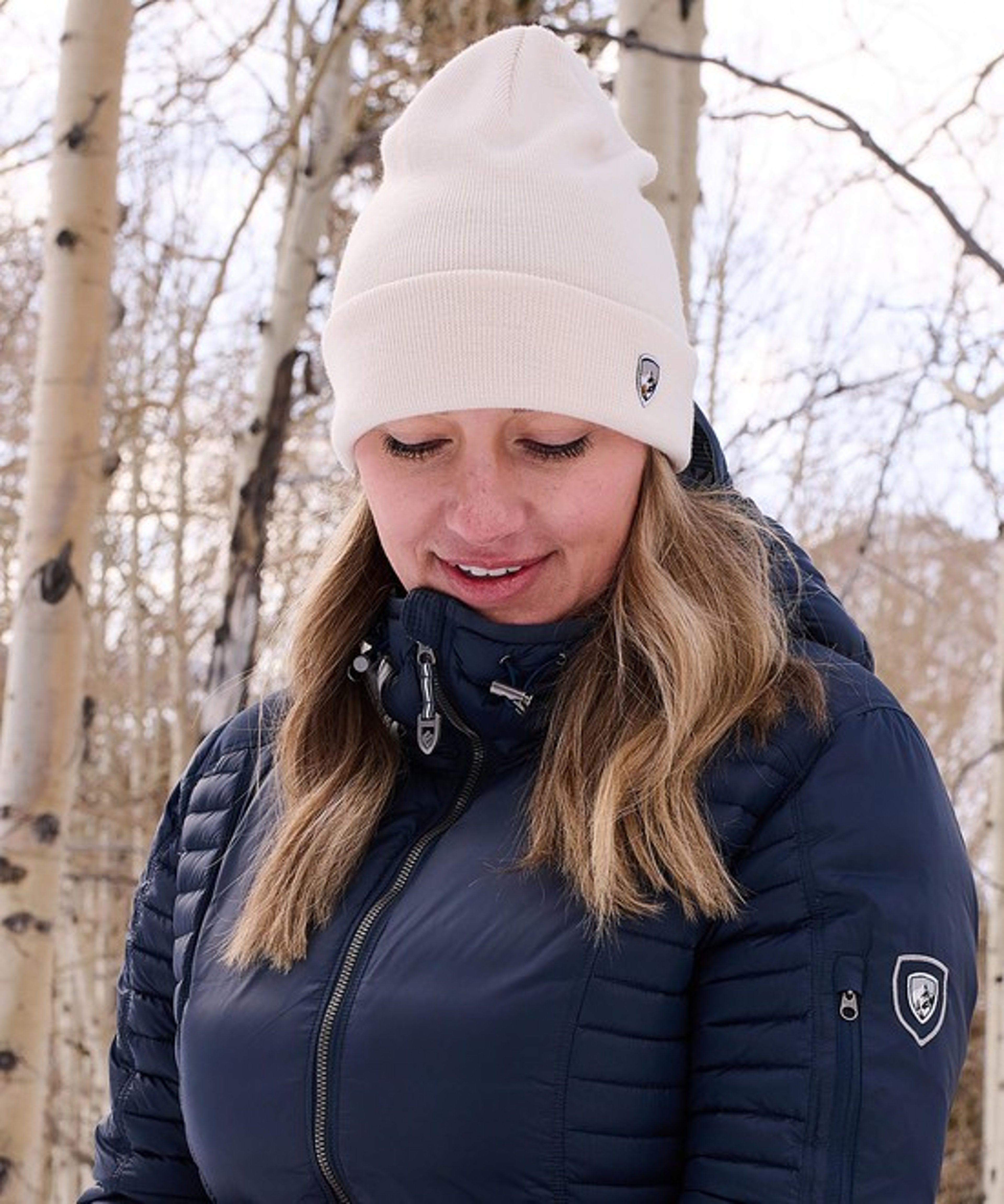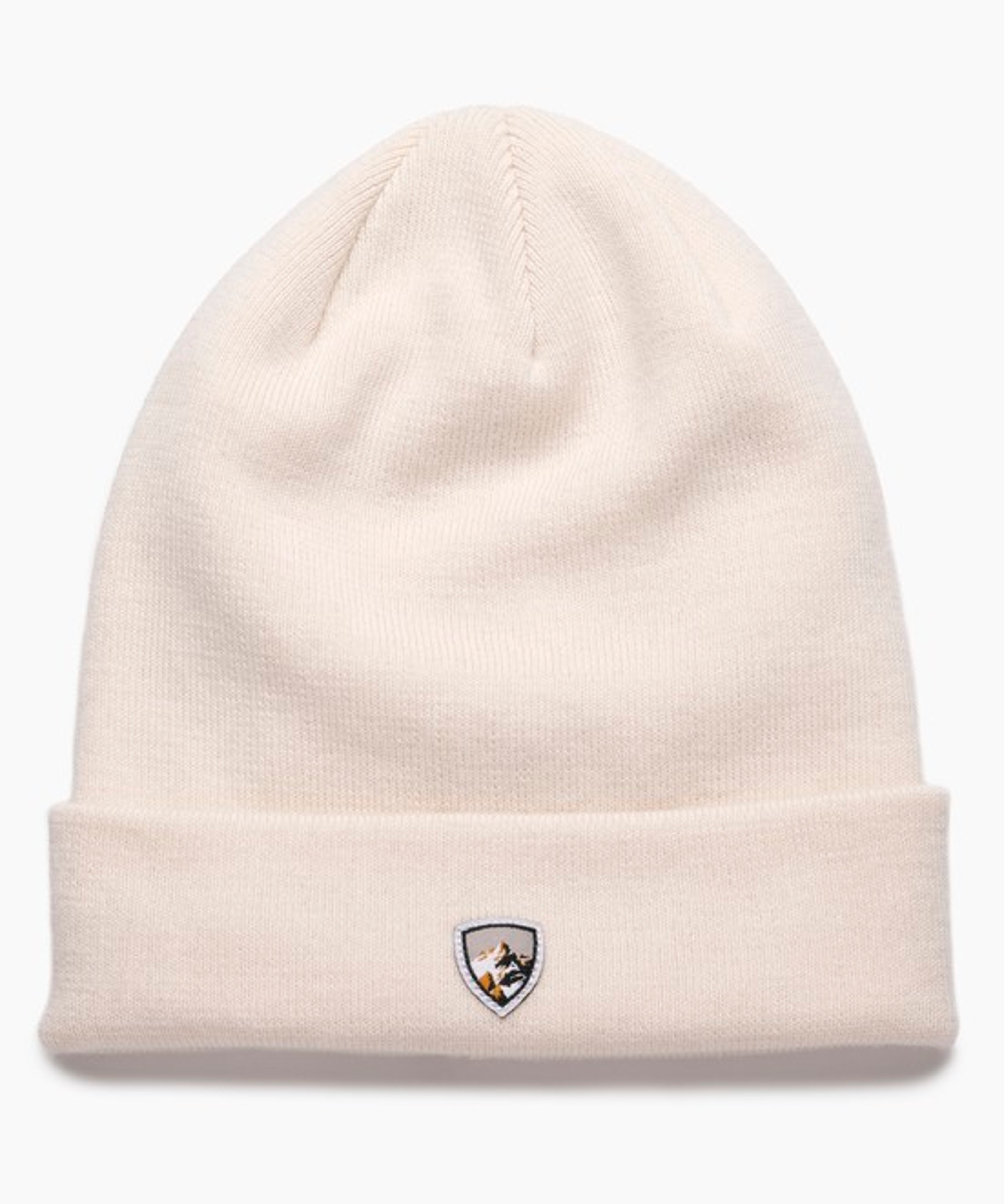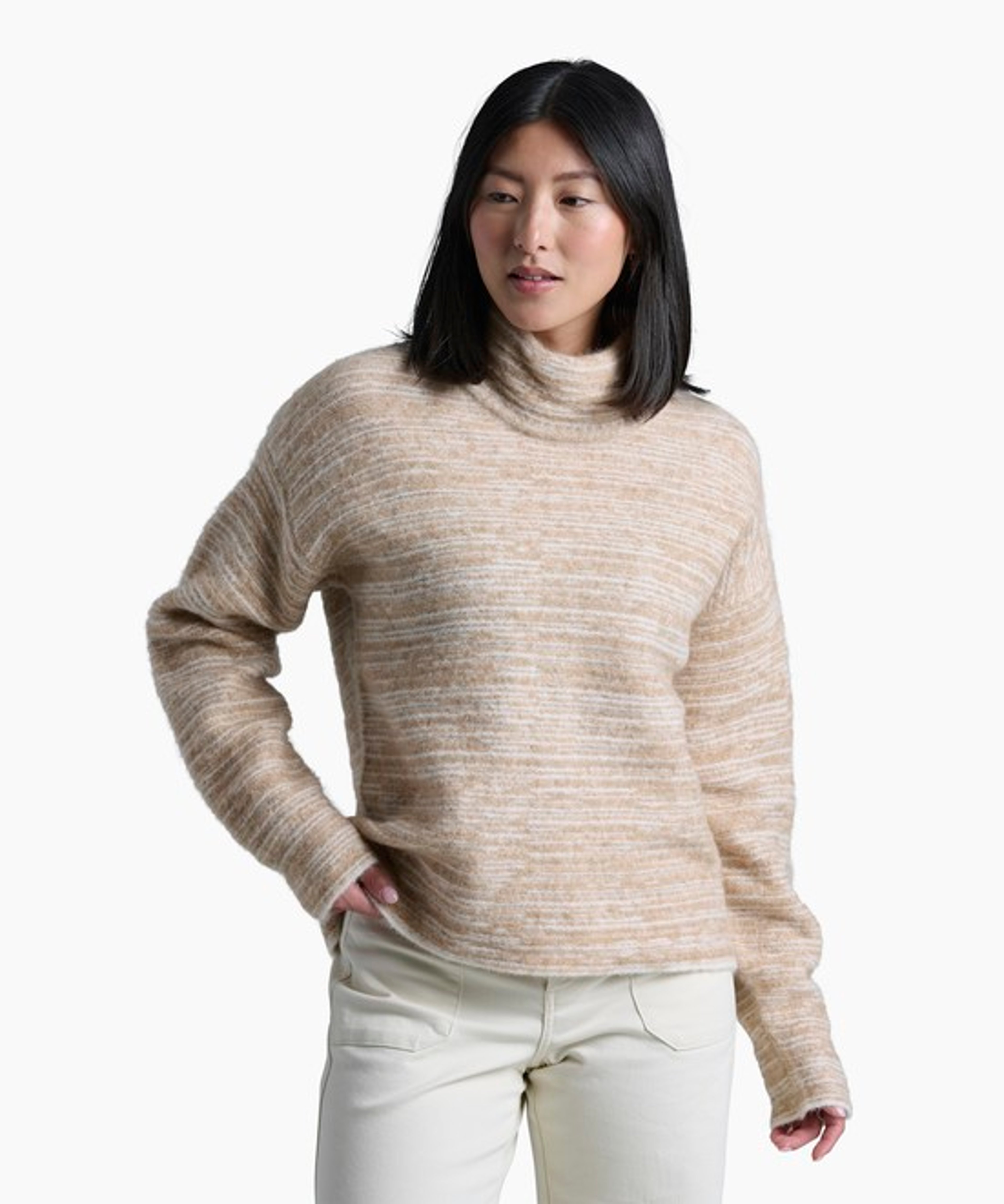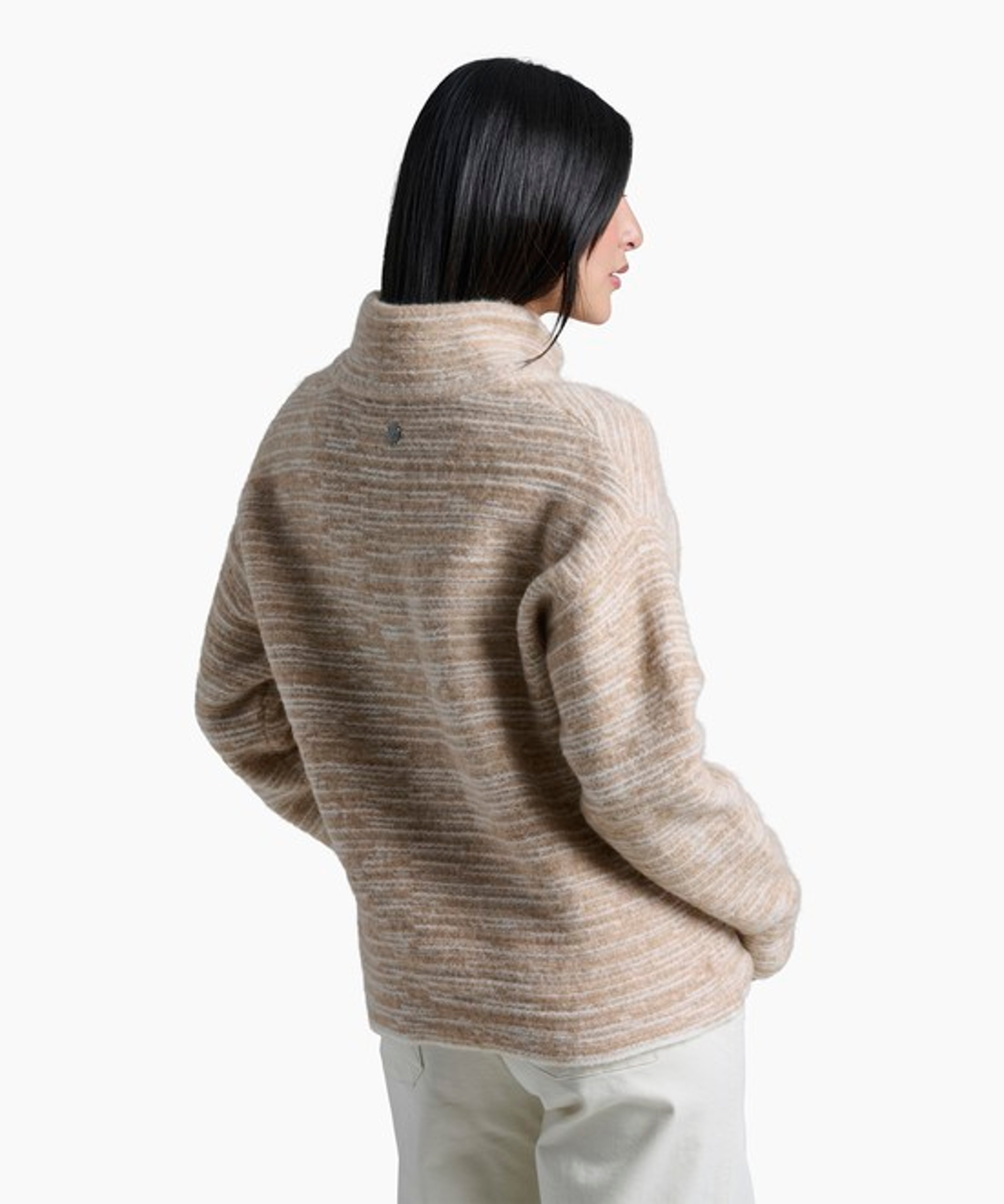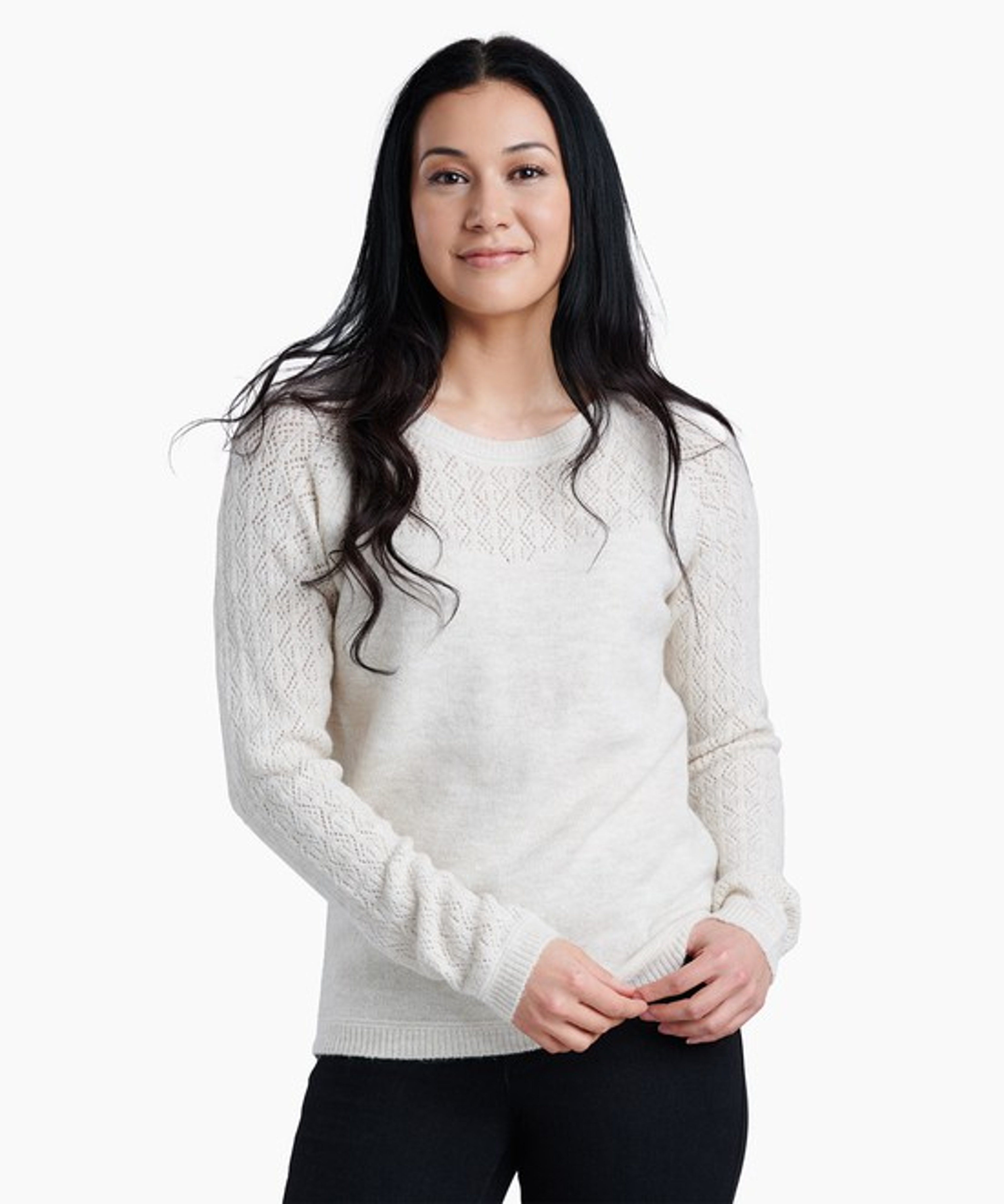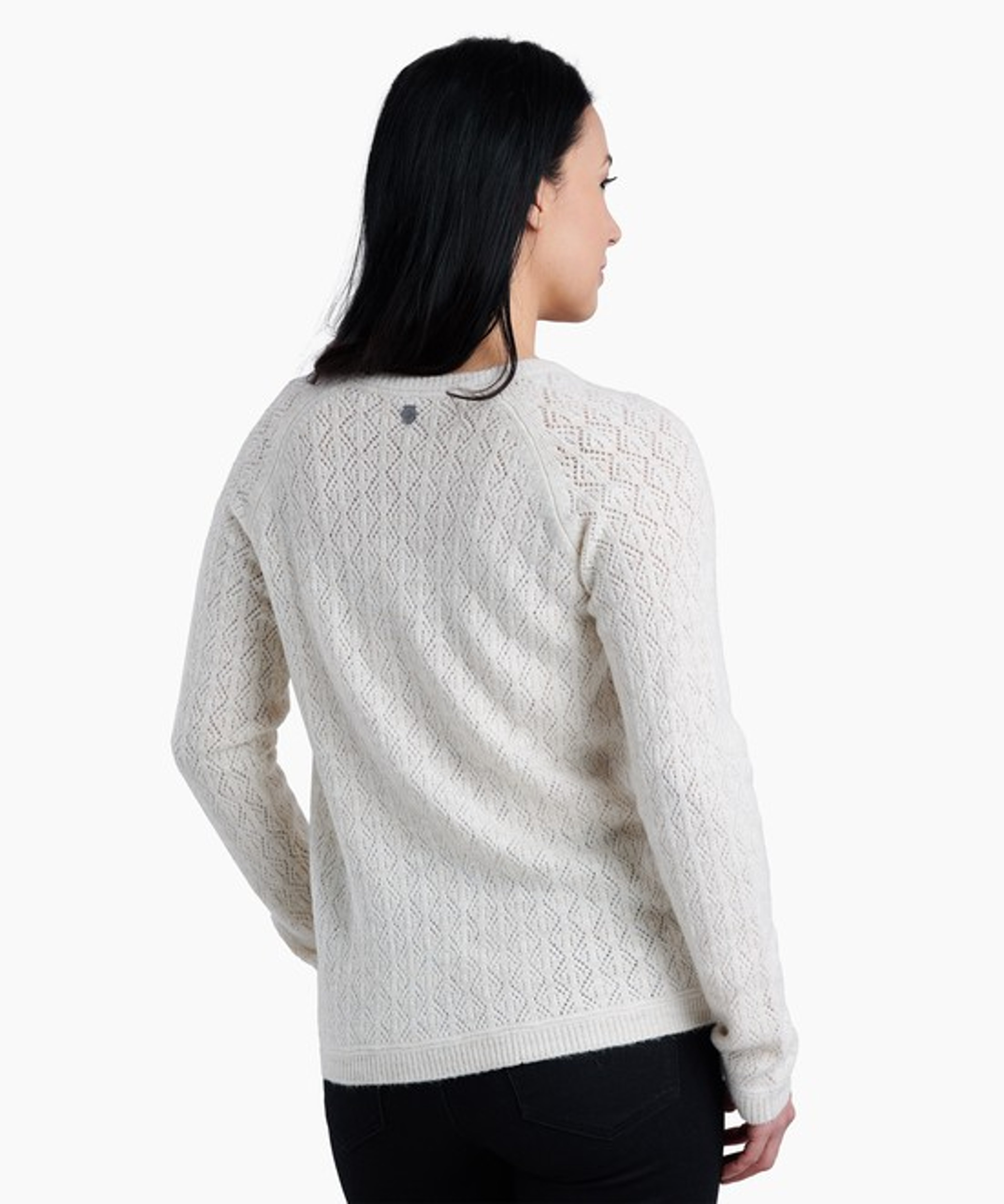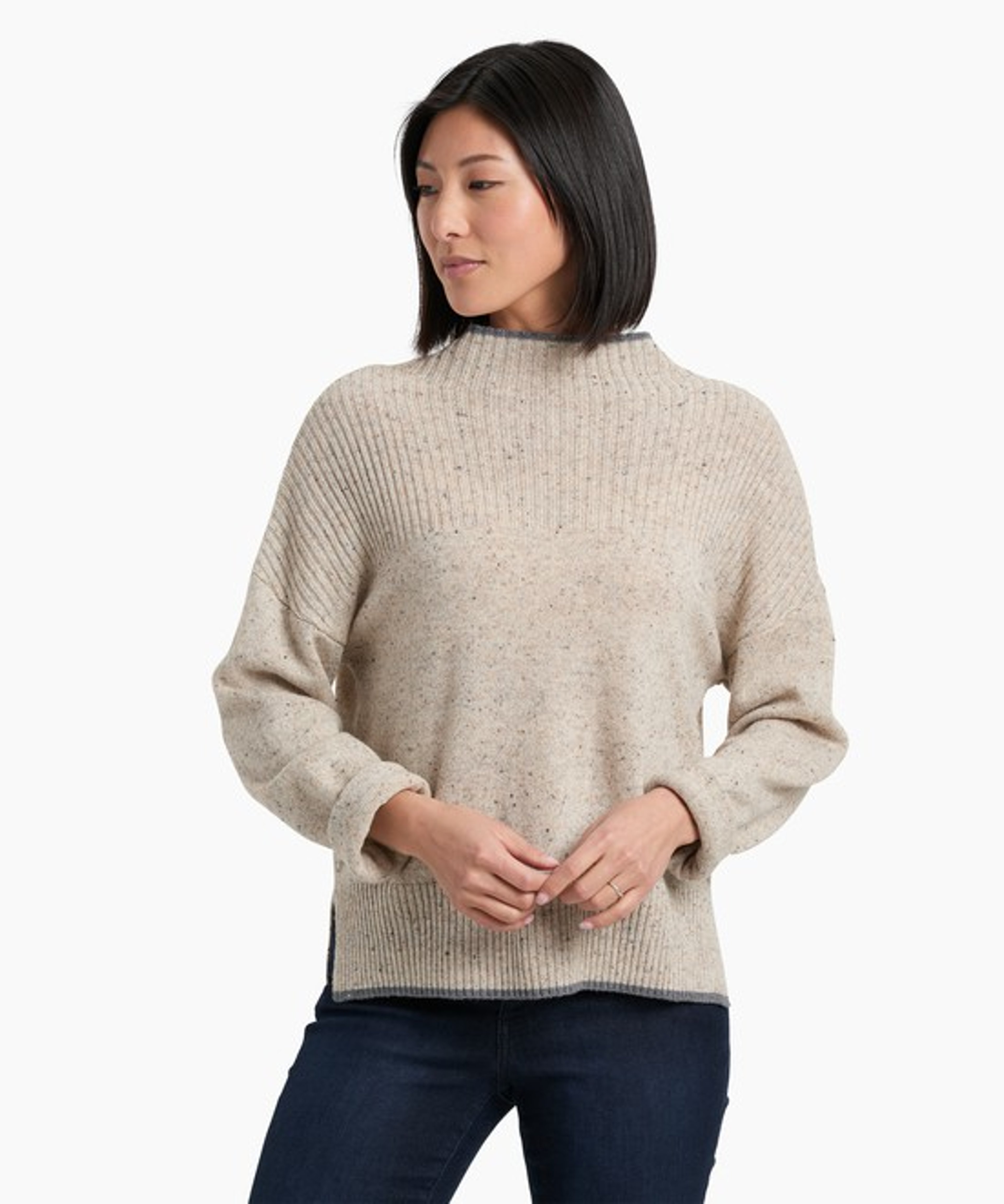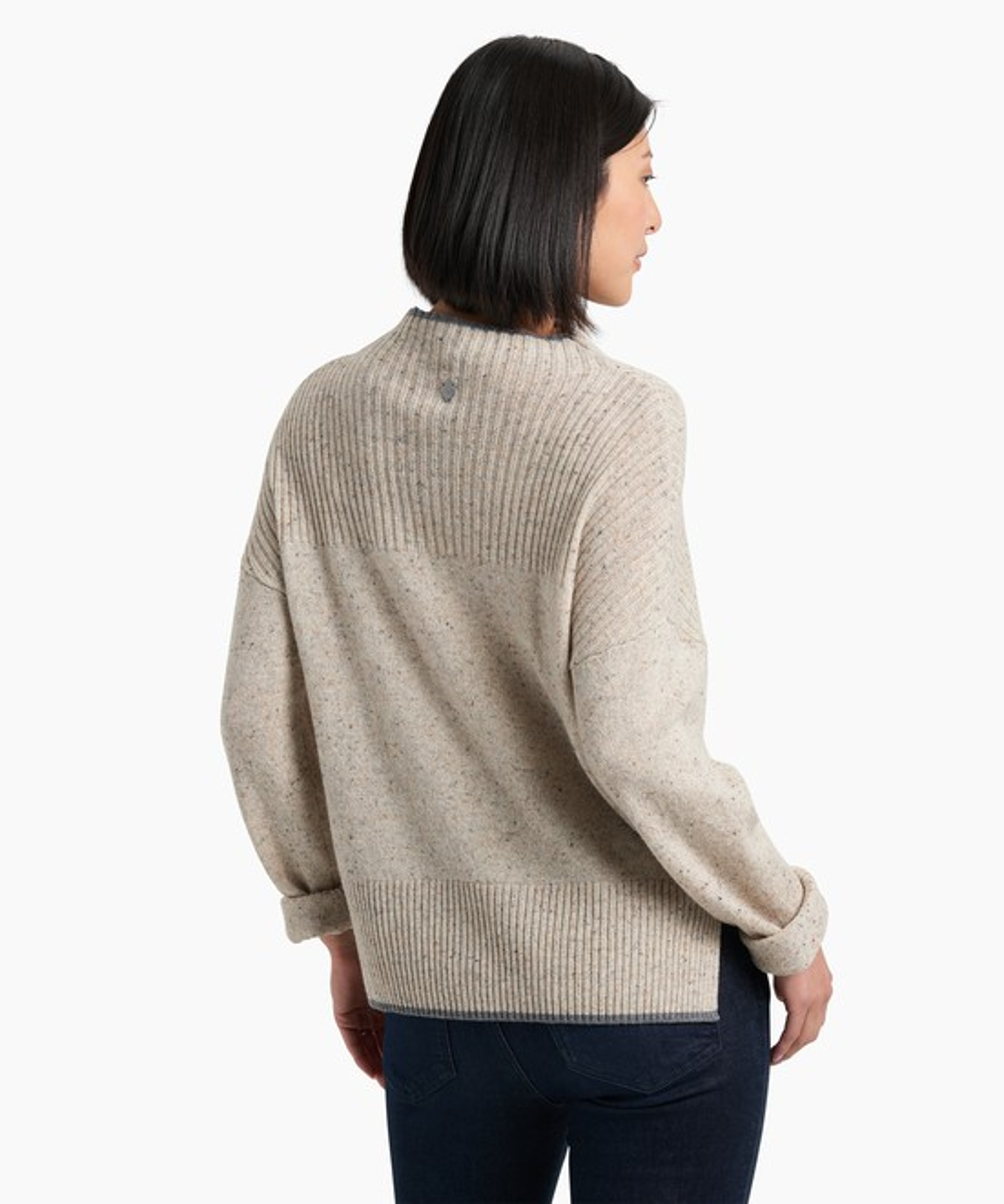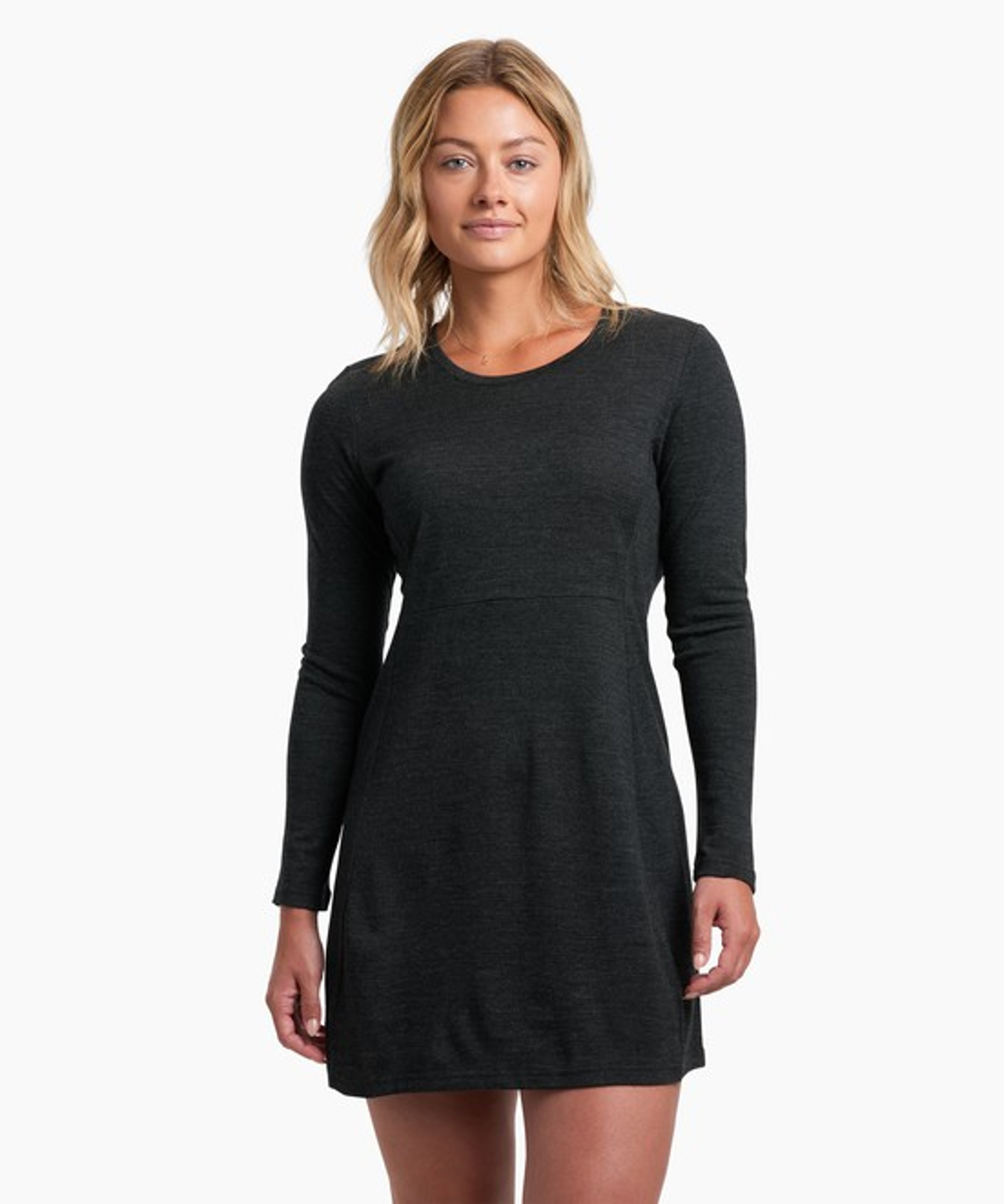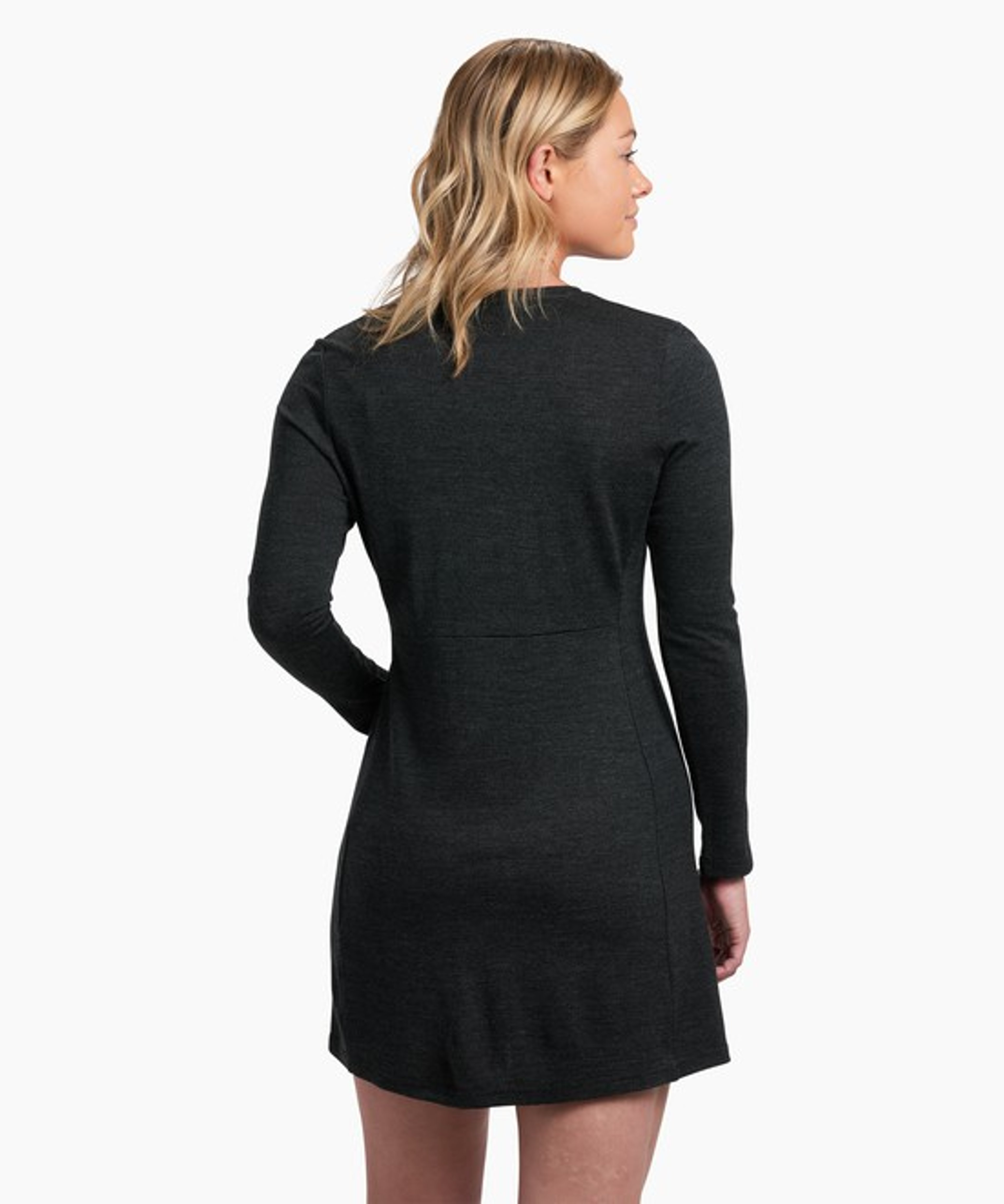






Women's Merino Wool
Warm Up Without the Bulk in KÜHL Women's Merino Wool
Choose from a variety of fabrics, styles, and features for the women's merino wool that's right for you:
Performance Merino Baselayers. Merino regulates body temperature across a wide swing: warm when the air drops, breathable when you push hard. Naturally odor-resistant fibers stay fresh through back-to-back days on the trail, and the fine-gauge knit sits soft against skin without the itch older wool earned a reputation for.
Stretch-Blend Tops. Modern merino tops blend wool with a touch of synthetic for shape retention, faster dry times, and a hint of 4-way stretch where it counts. FREEFLEX™ panels show up on technical pieces to extend range of motion at the shoulders and through the side seams without compromising the merino's temperature-regulating job.
UPF Long Sleeves. Long-sleeve merino shirts deliver UPF 50+ sun coverage across the arms and back, useful on exposed alpine ridges and high-desert traverses where short sleeves leave you burning. Flatlock seams keep pack straps from chafing, and a trim-but-not-tight cut layers cleanly under an outer shell.
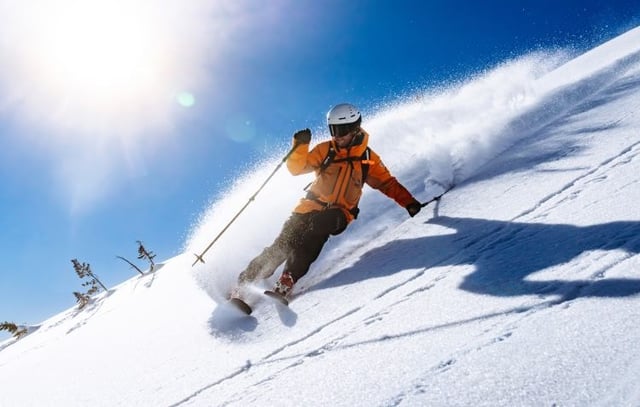
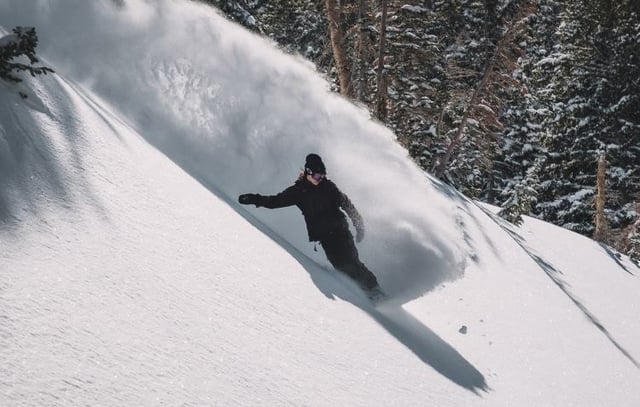
Cold-Weather Layering. In winter, a midweight merino top anchors a three-piece system: baselayer, insulation, shell. Pair with our women's long-sleeve shirts for variable conditions, or swap to our women's short-sleeve shirts when temperatures climb and the sun gets aggressive.
Look for signature touches like thumb loops to seal warmth at the wrists, articulated sleeve construction for unrestricted reach, and low-bulk seams that disappear under outer layers.
Choose from a variety of fabrics, styles, and features for the women's merino wool that's right for you:
Performance Merino Baselayers. Merino regulates body temperature across a wide swing: warm when the air drops, breathable when you push hard. Naturally odor-resistant fibers stay fresh through back-to-back days on the trail, and the fine-gauge knit sits soft against skin without the itch older wool earned a reputation for.
Stretch-Blend Tops. Modern merino tops blend wool with a touch of synthetic for shape retention, faster dry times, and a hint of 4-way stretch where it counts. FREEFLEX™ panels show up on technical pieces to extend range of motion at the shoulders and through the side seams without compromising the merino's temperature-regulating job.
UPF Long Sleeves. Long-sleeve merino shirts deliver UPF 50+ sun coverage across the arms and back, useful on exposed alpine ridges and high-desert traverses where short sleeves leave you burning. Flatlock seams keep pack straps from chafing, and a trim-but-not-tight cut layers cleanly under an outer shell.
Cold-Weather Layering. In winter, a midweight merino top anchors a three-piece system: baselayer, insulation, shell. Pair with our women's long-sleeve shirts for variable conditions, or swap to our women's short-sleeve shirts when temperatures climb and the sun gets aggressive.
Look for signature touches like thumb loops to seal warmth at the wrists, articulated sleeve construction for unrestricted reach, and low-bulk seams that disappear under outer layers.
Merino wool questions, answered: how to pick a top, fabric trade-offs versus synthetics, fit for layering, and what works in summer heat.
What makes the best merino wool for you?
The best women's merino wool tops check four boxes: temperature regulation across a wide range, odor resistance for multi-day wear, soft next-to-skin comfort, and construction that moves with you instead of binding.
Look for fine-gauge merino, or a merino blend with a touch of nylon or spandex, that holds shape and dries faster than pure heavyweight wool. Flatlock seams at the shoulders prevent chafe under pack straps, and a trim but not tight fit layers cleanly under a midweight or shell.
Seasoned hikers know the difference a well-built baselayer makes.
Look for fine-gauge merino, or a merino blend with a touch of nylon or spandex, that holds shape and dries faster than pure heavyweight wool. Flatlock seams at the shoulders prevent chafe under pack straps, and a trim but not tight fit layers cleanly under a midweight or shell.
Seasoned hikers know the difference a well-built baselayer makes.
What fabric is best for performance shirts, synthetic, merino, or blend?
Merino wins for multi-day odor resistance and temperature regulation. Synthetic wins for fastest drying and abrasion resistance. Blends split the difference and tend to be the most versatile day-to-day choice.
Pure merino regulates body temp across a wide range and stays fresh through repeated wear without washing, ideal for backpacking and travel. Polyester and nylon dry faster and stand up to pack-strap abrasion, but they pick up odor quickly. A merino-synthetic blend keeps most of the odor resistance, dries quicker than pure wool, and holds shape over years of use.
For shorter, sweat-heavy efforts, see our women's athletic shirts.
Pure merino regulates body temp across a wide range and stays fresh through repeated wear without washing, ideal for backpacking and travel. Polyester and nylon dry faster and stand up to pack-strap abrasion, but they pick up odor quickly. A merino-synthetic blend keeps most of the odor resistance, dries quicker than pure wool, and holds shape over years of use.
For shorter, sweat-heavy efforts, see our women's athletic shirts.
Do you really need a technical shirt, or will a cotton tee do?
For active days outside, a technical shirt beats cotton every time: cotton absorbs sweat, stays wet, and pulls heat from your body as it dries.
A merino or synthetic-blend top wicks moisture off the skin, dries in a fraction of the time, and keeps insulating even when damp. That difference is the line between a comfortable summit push and a clammy, chilled descent. For casual wear around town, a soft women's t-shirt is still hard to beat, but on the trail, leave it at home.
A merino or synthetic-blend top wicks moisture off the skin, dries in a fraction of the time, and keeps insulating even when damp. That difference is the line between a comfortable summit push and a clammy, chilled descent. For casual wear around town, a soft women's t-shirt is still hard to beat, but on the trail, leave it at home.
Can you wear long-sleeve shirts in summer?
Yes, and on exposed routes, a light long-sleeve merino top often outperforms a short-sleeve tee.
UPF 50+ coverage across the arms means no reapplying sunscreen and no leathery sunburn after an eight-hour ridge walk. Merino's natural temperature regulation keeps you from overheating in direct sun, and the fabric breathes hard enough to vent the heat your body generates. Bug bites and trail scrapes get a quiet pass too.
UPF 50+ coverage across the arms means no reapplying sunscreen and no leathery sunburn after an eight-hour ridge walk. Merino's natural temperature regulation keeps you from overheating in direct sun, and the fabric breathes hard enough to vent the heat your body generates. Bug bites and trail scrapes get a quiet pass too.
How should a merino wool fit for layering?
A merino baselayer should fit close but never tight: trim through the torso so it sits flush against the skin, with enough room at the shoulders and underarms to layer without binding.
Sleeves should reach the wrist with the arm extended overhead. Short sleeves expose your forearms the moment you reach. Look for articulated sleeve patterning and a slightly dropped hem at the back for coverage when you bend or sit. Sizing up for standalone wear is fine, but accept it won't layer as cleanly under a fitted shell.
Sleeves should reach the wrist with the arm extended overhead. Short sleeves expose your forearms the moment you reach. Look for articulated sleeve patterning and a slightly dropped hem at the back for coverage when you bend or sit. Sizing up for standalone wear is fine, but accept it won't layer as cleanly under a fitted shell.
What's the best merino wool for hot weather hikes?
The best hot-weather merino tops are lightweight (around 150 gsm or below), UPF-rated for sun protection, and built with mesh ventilation or strategic stretch panels for airflow.
Look for a thin merino crew or hoody with FREEFLEX™ stretch panels where the fabric needs to move (under the arms, across the back) and quick-dry properties that handle sweat without holding it. Stay protected and on the move.
Look for a thin merino crew or hoody with FREEFLEX™ stretch panels where the fabric needs to move (under the arms, across the back) and quick-dry properties that handle sweat without holding it. Stay protected and on the move.
New Colors
New Colors