


Men's Hats
KÜHL Men's Hats Deliver All-Day Sun Cover and Breathability
Choose from a variety of fabrics, brim shapes, and features for the men's hats that are right for you:
Wide-Brim Sun Cover. When the exposure is long and the shade is sparse, a wide-brim hat with UPF 50+ does the heavy lifting. Look for a flexible, deep-curve brim that holds its shape in wind, foam-cored construction that won't flap on a fast descent, and a water-repellent finish that sheds sweat and light rain alike.
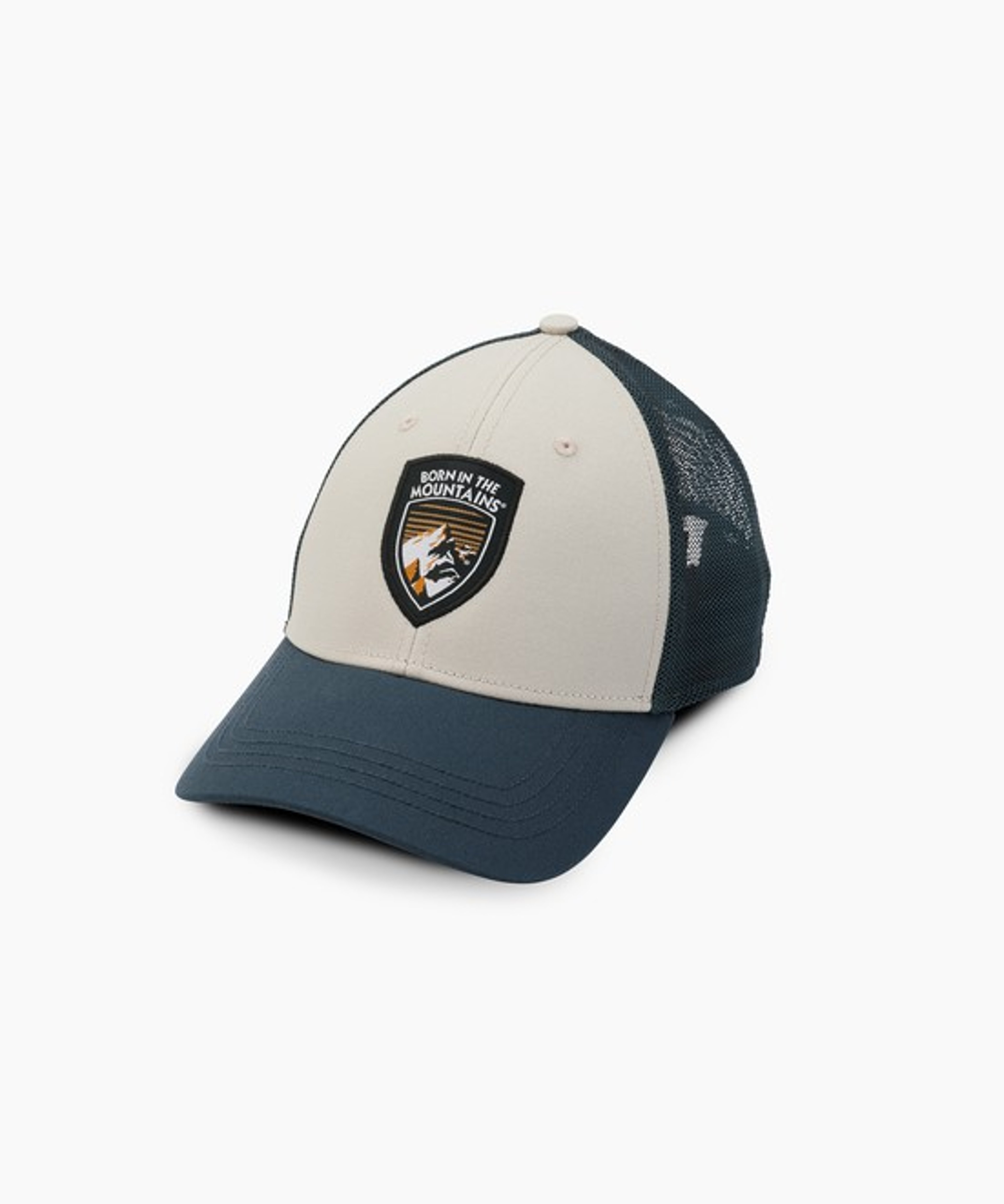
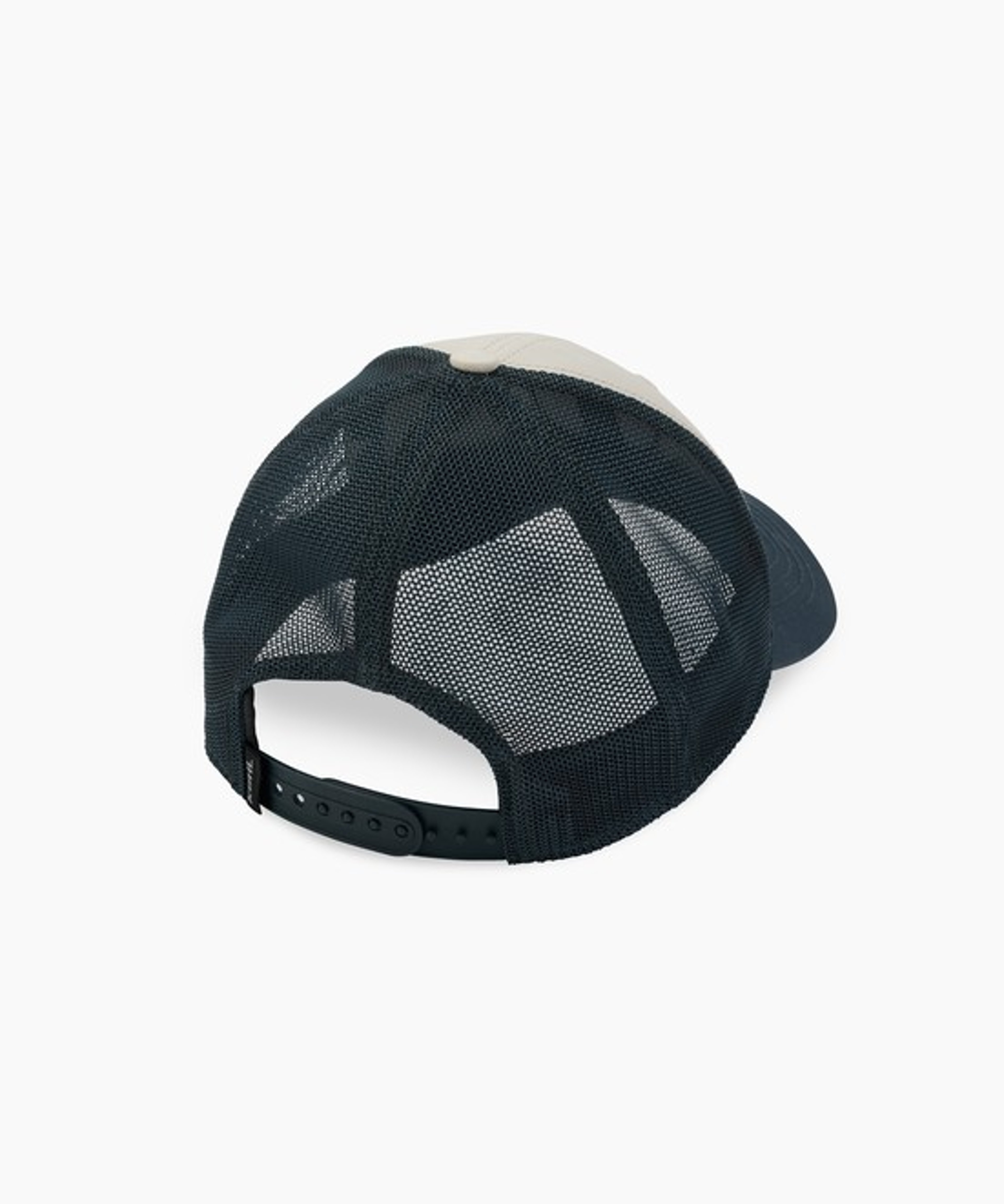
Trucker Profile. A snapback trucker with stretch mesh back panels stays cool on the climb and keeps its shape on the rack. Custom embroidery and woven patches sit on a structured front panel, while a one-size-fits-all snap closure tunes the fit on the fly.
Five-Panel Aktiv Construction. For high-output days, a low-profile five-panel hat with laser-cut mesh ventilation runs cooler than a standard cap. A soft foam crown holds shape without bulk, water-repellent treatment beads off sweat and rain, and UV protection keeps the brow shaded mile after mile.
Cooling Visors and Ultralight Caps. When the brim matters more than the crown, a technical visor with stretch mesh and an internal cooling panel manages heat exactly where it builds. For the lightest possible cover, look for ultralight nylon caps with perforated laser-cut venting, quick-drying, water-resistant, and built to move air rather than trap it.
Stretch-Fit Comfort. A stretch-fit headband stays put on the trail without the pressure point of a fixed band. Pair that with a moisture-wicking interior and you've got a cap that disappears on your head for the length of a long day.
When choosing the right hat for hiking, riding, fishing, or town, look for signature touches: laser-cut mesh ventilation for airflow, a water-repellent finish to shed sweat and weather, a brim that stays shaped in wind, and a fit system (snapback, stretch band, or elastic) that holds steady when you're moving. Round out your kit with a men's softshell jacket for shoulder-season layering, a windbreaker for breezy summit days, or a packable rain shell when the forecast turns.
Choose from a variety of fabrics, brim shapes, and features for the men's hats that are right for you:
Wide-Brim Sun Cover. When the exposure is long and the shade is sparse, a wide-brim hat with UPF 50+ does the heavy lifting. Look for a flexible, deep-curve brim that holds its shape in wind, foam-cored construction that won't flap on a fast descent, and a water-repellent finish that sheds sweat and light rain alike.
Trucker Profile. A snapback trucker with stretch mesh back panels stays cool on the climb and keeps its shape on the rack. Custom embroidery and woven patches sit on a structured front panel, while a one-size-fits-all snap closure tunes the fit on the fly.
Five-Panel Aktiv Construction. For high-output days, a low-profile five-panel hat with laser-cut mesh ventilation runs cooler than a standard cap. A soft foam crown holds shape without bulk, water-repellent treatment beads off sweat and rain, and UV protection keeps the brow shaded mile after mile.
Cooling Visors and Ultralight Caps. When the brim matters more than the crown, a technical visor with stretch mesh and an internal cooling panel manages heat exactly where it builds. For the lightest possible cover, look for ultralight nylon caps with perforated laser-cut venting, quick-drying, water-resistant, and built to move air rather than trap it.
Stretch-Fit Comfort. A stretch-fit headband stays put on the trail without the pressure point of a fixed band. Pair that with a moisture-wicking interior and you've got a cap that disappears on your head for the length of a long day.
When choosing the right hat for hiking, riding, fishing, or town, look for signature touches: laser-cut mesh ventilation for airflow, a water-repellent finish to shed sweat and weather, a brim that stays shaped in wind, and a fit system (snapback, stretch band, or elastic) that holds steady when you're moving. Round out your kit with a men's softshell jacket for shoulder-season layering, a windbreaker for breezy summit days, or a packable rain shell when the forecast turns.
From wide-brim sun cover to laser-vented trucker caps, KÜHL men's hats are built to block UV, breathe hard, and stay put when you're moving.
What should you look for in hats?
The best men's hats hit four checkpoints: real sun protection, breathability, a secure adjustable fit, and packability.
Start with a UPF 50+ rating and a brim wide enough to shade your face, ears, and neck. Look for lightweight synthetic fabrics with mesh panels or crown vents for airflow on hot climbs, and a moisture-wicking sweatband so salt and sweat don't sting your eyes. A snapback, stretch-fit headband, or chin cord keeps the hat on when wind picks up. For long miles, a crushable, packable construction lets you stow the hat in a hipbelt pocket between exposed sections. Match the brim shape to the use case: wide brim for open sun, baseball or five-panel for wooded trails and active days.
Start with a UPF 50+ rating and a brim wide enough to shade your face, ears, and neck. Look for lightweight synthetic fabrics with mesh panels or crown vents for airflow on hot climbs, and a moisture-wicking sweatband so salt and sweat don't sting your eyes. A snapback, stretch-fit headband, or chin cord keeps the hat on when wind picks up. For long miles, a crushable, packable construction lets you stow the hat in a hipbelt pocket between exposed sections. Match the brim shape to the use case: wide brim for open sun, baseball or five-panel for wooded trails and active days.
How important is UPF protection?
UPF protection matters most on exposed routes (alpine ridgelines, desert traverses, open water) where direct sun hits for hours without break.
A UPF 30 rating blocks roughly 96% of UV radiation. UPF 50+ blocks about 98%. The jump from a standard cap to a UPF 50+ hat is the cheapest piece of skin insurance you'll buy. Pair the rating with a brim that actually shades the parts that burn fastest, ears, neck, and the top of the nose. On a long pack day, that coverage adds up to less sunscreen reapplication and less heat absorbed through the crown.
A UPF 30 rating blocks roughly 96% of UV radiation. UPF 50+ blocks about 98%. The jump from a standard cap to a UPF 50+ hat is the cheapest piece of skin insurance you'll buy. Pair the rating with a brim that actually shades the parts that burn fastest, ears, neck, and the top of the nose. On a long pack day, that coverage adds up to less sunscreen reapplication and less heat absorbed through the crown.
How should hats fit, snug or loose?
A hiking hat should sit snug enough that it won't blow off in a gust, but loose enough to let air move through the crown.
Aim for a stretch-fit headband, an adjustable internal band, or a snapback closure so you can tune the fit as your head sweats and changes shape through the day. Test the fit while moving: bend over, shake your head, look up sharply with a pack on. If it slips, tighten or size down. A chin cord or stash-away chin strap adds insurance on exposed ridgelines and breezy water.
Aim for a stretch-fit headband, an adjustable internal band, or a snapback closure so you can tune the fit as your head sweats and changes shape through the day. Test the fit while moving: bend over, shake your head, look up sharply with a pack on. If it slips, tighten or size down. A chin cord or stash-away chin strap adds insurance on exposed ridgelines and breezy water.
Are hats good for hot vs cold weather?
Yes, but the right construction is completely different for each.
For hot weather, prioritize a lightweight nylon or polyester shell with mesh ventilation panels, laser-cut perforations, or an open crown, plus a UPF 50+ rating and a wide brim for sun cover. Light colors reflect heat. Darker colors hide trail dirt longer. For cold weather, switch to an insulated wool or brushed-interior beanie that traps body heat and wicks moisture without holding sweat against your scalp. Layer the hat under the hood of a fleece pullover or insulated jacket on the coldest mornings so heat stays where it matters.
For hot weather, prioritize a lightweight nylon or polyester shell with mesh ventilation panels, laser-cut perforations, or an open crown, plus a UPF 50+ rating and a wide brim for sun cover. Light colors reflect heat. Darker colors hide trail dirt longer. For cold weather, switch to an insulated wool or brushed-interior beanie that traps body heat and wicks moisture without holding sweat against your scalp. Layer the hat under the hood of a fleece pullover or insulated jacket on the coldest mornings so heat stays where it matters.
What materials work best for hats?
For active days, lightweight synthetic fabrics, nylon and polyester, are the standard, because they wick moisture, dry fast, and hold their shape through repeated soakings.
Mesh back panels or laser-cut ventilation drive air through the crown so heat doesn't build up. A DWR finish sheds light rain and beads off sweat before it saturates the brim. For cold weather, merino wool or a brushed-interior knit regulates body temperature without itching, and stays warm even when damp. Cotton looks classic but soaks up sweat and dries slowly. Leave it for casual wear, not the trail.
Mesh back panels or laser-cut ventilation drive air through the crown so heat doesn't build up. A DWR finish sheds light rain and beads off sweat before it saturates the brim. For cold weather, merino wool or a brushed-interior knit regulates body temperature without itching, and stays warm even when damp. Cotton looks classic but soaks up sweat and dries slowly. Leave it for casual wear, not the trail.